
Accord Pilot Assesses Heat Stress Risks at Garment Factories in Bangladesh and Pakistan
As climate-related risks continue to intensify, heat stress is emerging as a significant occupational safety and health (OSH) concern, with direct implications for workers’ health, safety, and wellbeing.
In this context, the International Accord, in collaboration with Royal Holloway University of London, the Global Labor Institute (Cornell University) and international engineering firm, ARUP, implemented a Heat Stress Pilot between September and October 2026. The pilot covered ten factories in Bangladesh and Pakistan, supplying over 50 Accord signatory brands.
The pilot builds on a decision taken by the International Accord Steering Committee in September 2025 to integrate the identification, mitigation and remediation of heat stress risks within the Accord’s inspections and workplace programs through the development of a dedicated heat stress protocol.
This decision responds to the urgency of heat stress as a risk to worker health and safety and to growing interest among Accord signatory brands in better understanding and addressing these risks at their sourcing facilities.
Heat stress falls within the Accord’s existing mandate on occupational health and safety, and related concerns are currently addressed through its Complaints Mechanism.
Workers in Bangladesh and Pakistan have consistently raised heat stress grievances, which rank among the most frequent complaints received through the mechanism. The systematic integration of heat stress is therefore a priority for the Accord and its signatories.
Purpose of the Pilot
The Heat Stress Pilot was conducted to:
- Better understand heat exposure risks in factories
- Generate objective, evidence-based data
- Identify factors that may contribute to heat-related risks
- Explore practical approaches for monitoring and mitigating heat stress
- Use findings to support the development of the Accord Heat Stress Protocol
The Pilot assessed heat stress risks through monitoring of indoor environmental parameters and worker core body temperatures, in combination with factory conditions and the intensity of workers’ roles. These findings will enable the Accord’s group of experts to refine existing modeling techniques correlating ambient temperatures and humidity, internal sources of radiant heat and core temperatures.
The objective is to develop a modeling technique to establish a scalable framework of targeted heat risk identification that can be implemented across Accord covered factories and according to the factories’ specificities.
Factory Selection
Factories for the Pilot were selected to capture a diverse range of operational and building characteristics that support a representative sample. These characteristics included:
- Factory size: Small and large facilities
- Production processes: Wet and dry production processes
- Age of buildings: Modern and older facilities
- Location of the building: more urban or less urban areas
Data Collection
Monitoring locations were selected to represent different factory processes and heat exposure conditions. The Pilot included two visits per factory:
First visit:
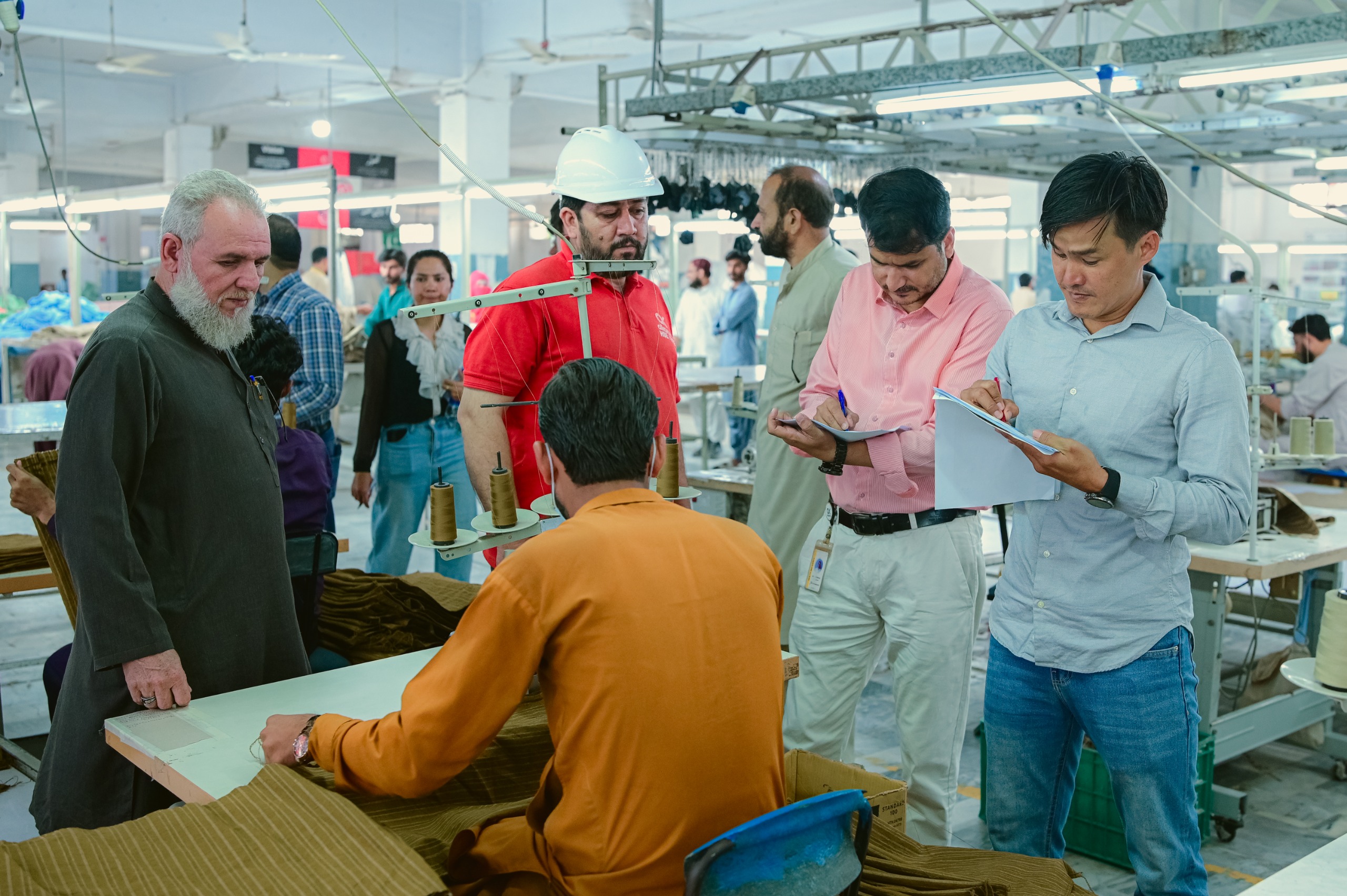
- Review of facility information and discussions with factory management to understand the buildings, production processes, heat sources, ventilation, cooling systems and existing heat stress controls.
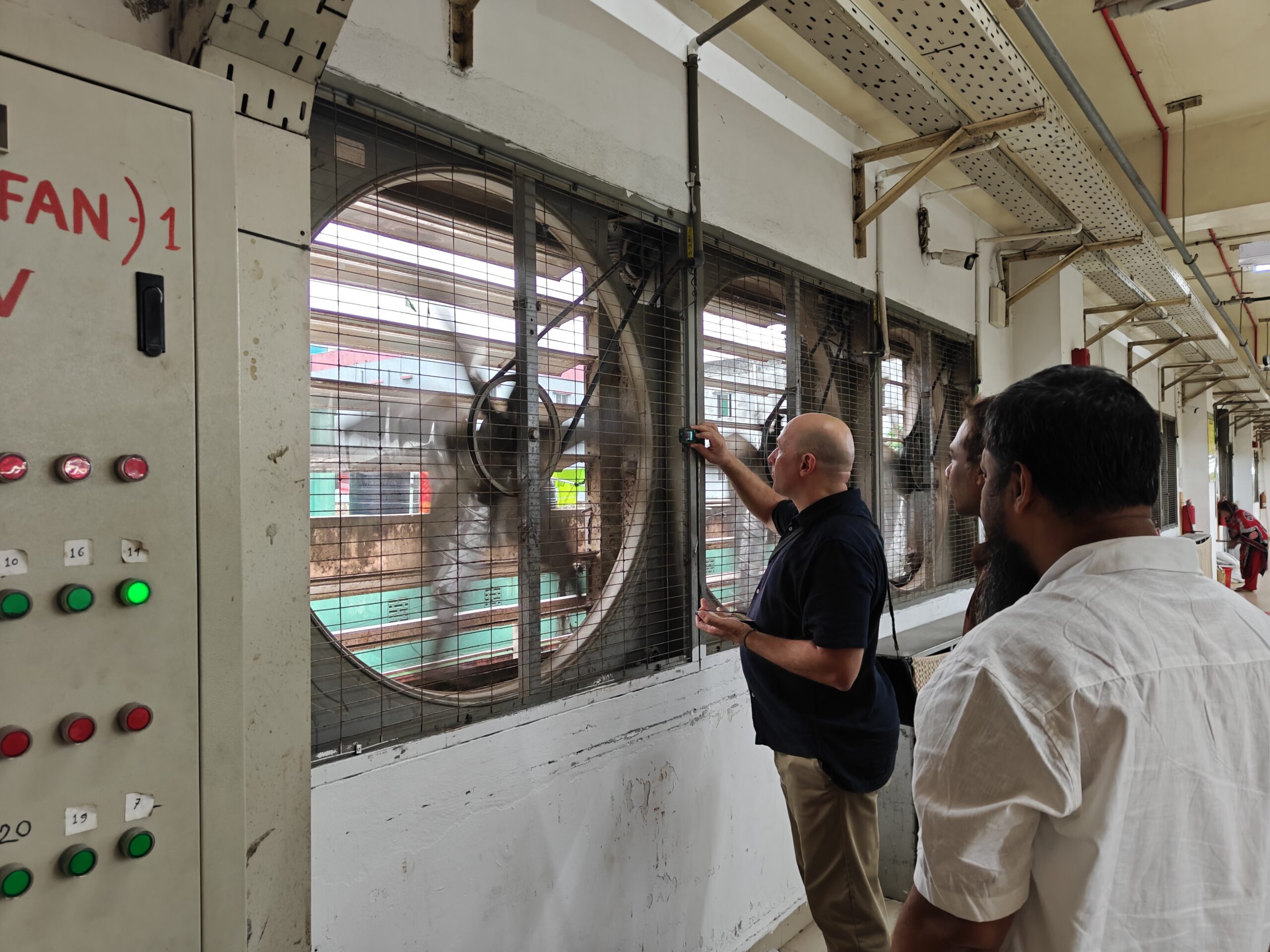
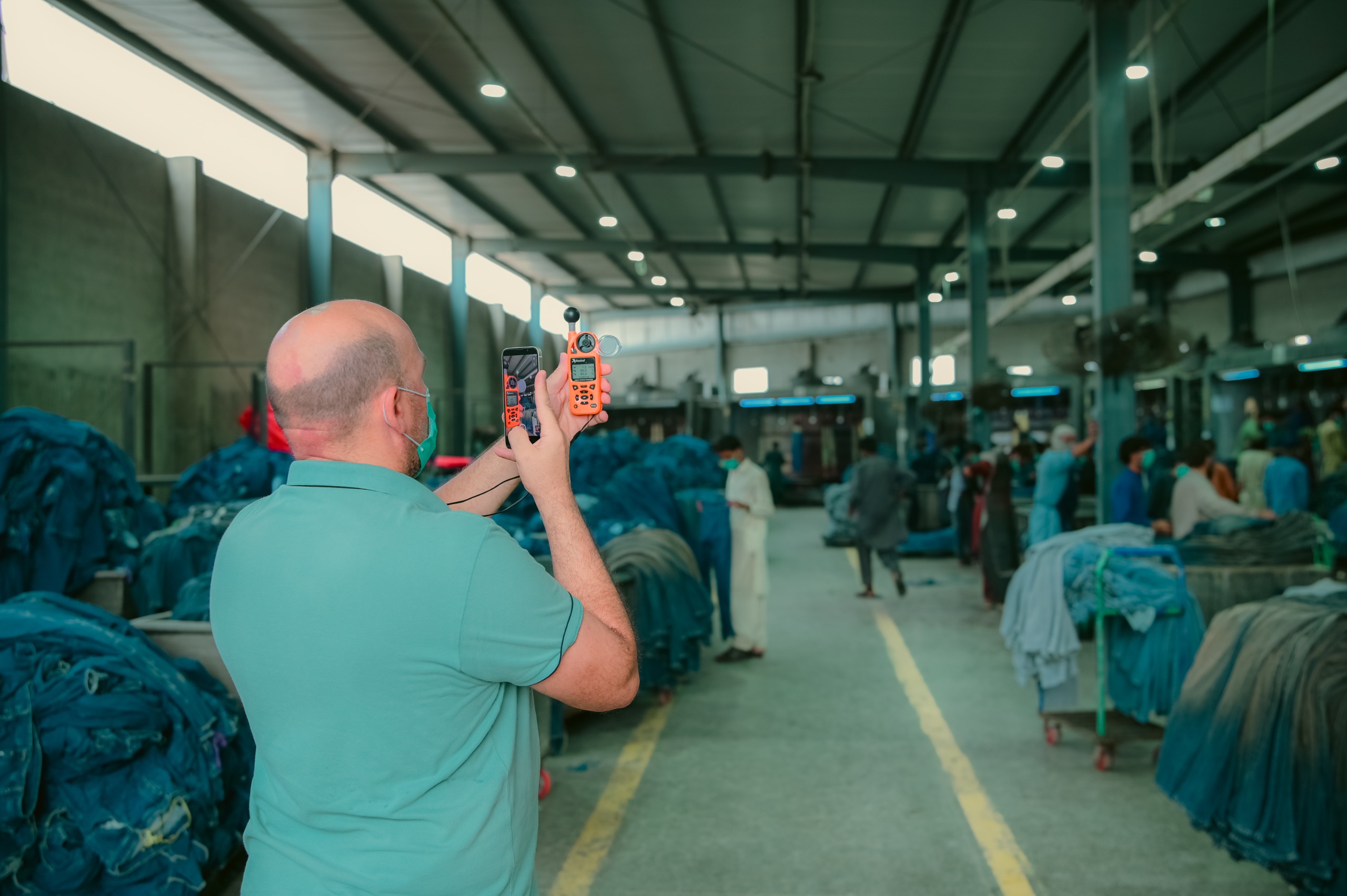
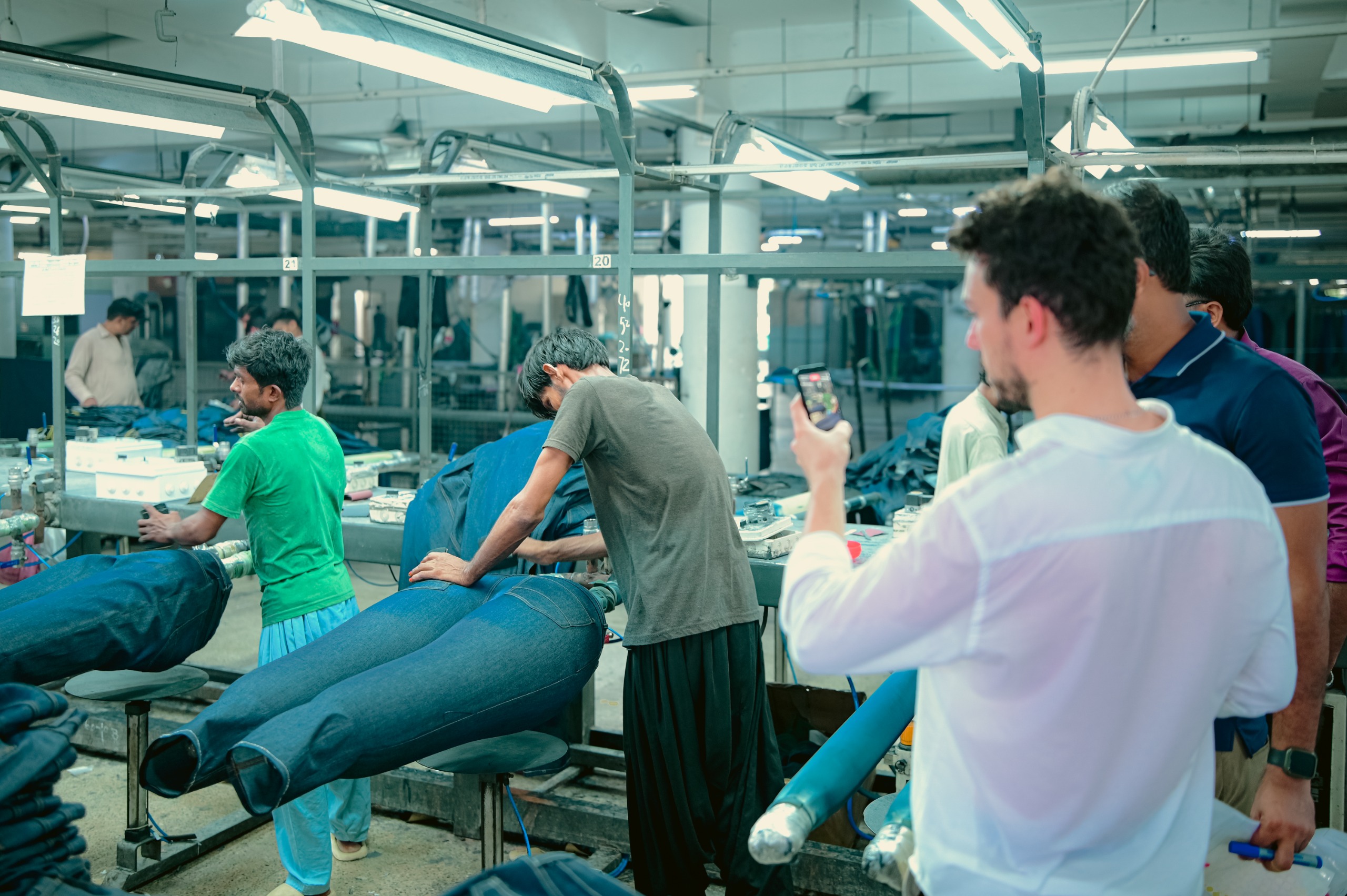
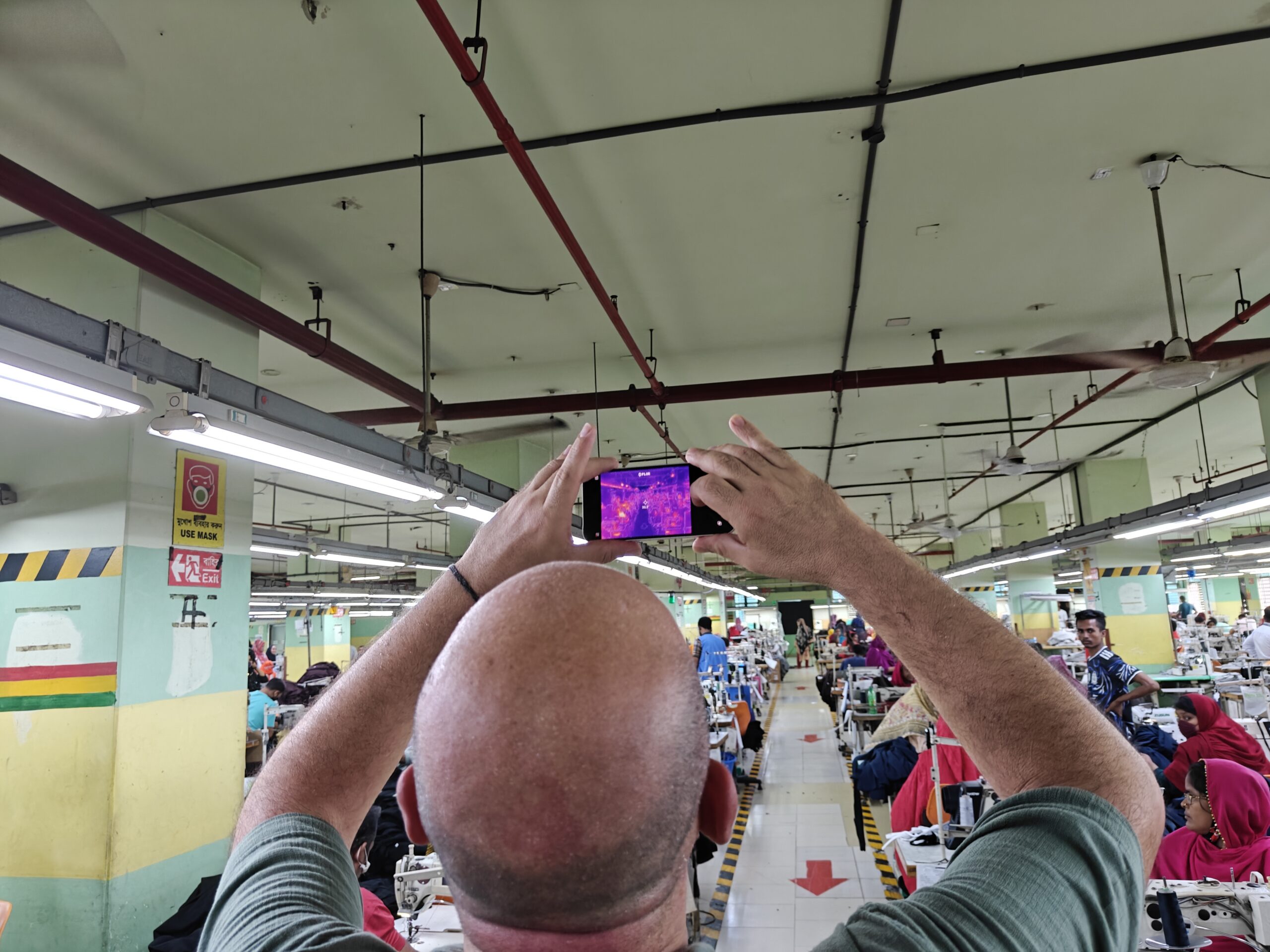
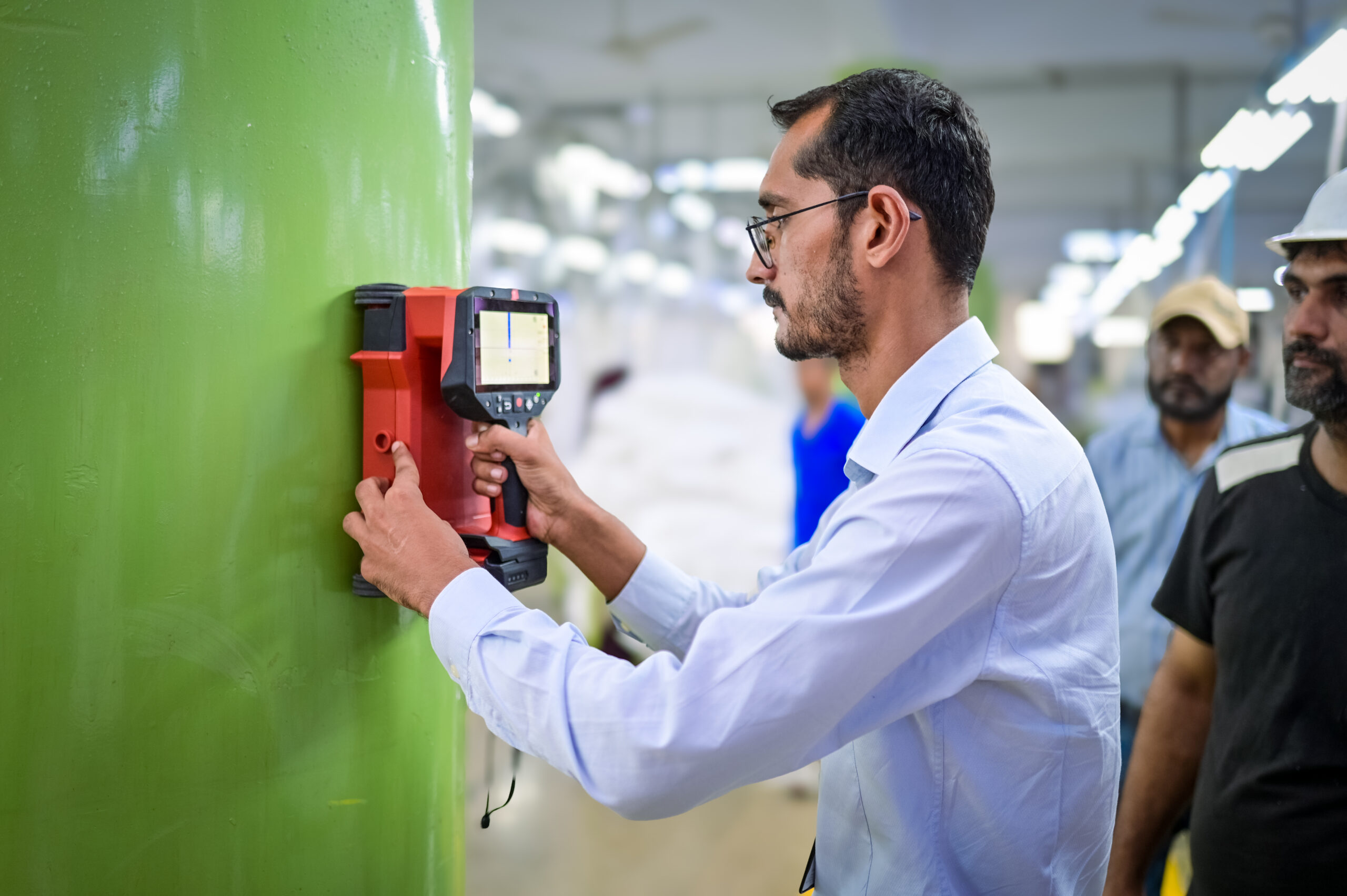
- A technical walk-through of selected production and welfare areas, including spot environmental measurements, thermal imaging and photographic documentation.
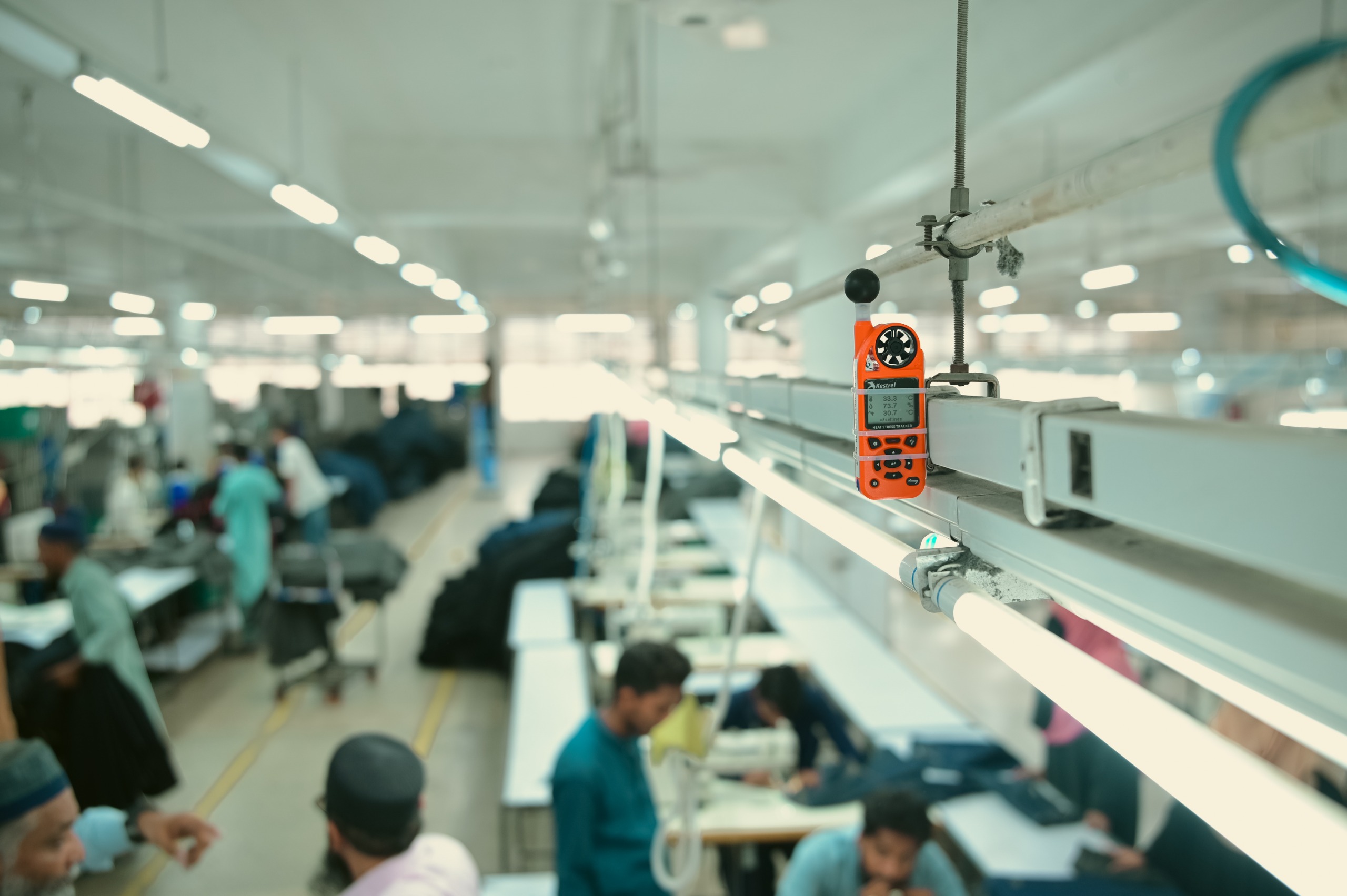
- Installation of 20 to 40 fixed environmental sensors at representative locations across each factory to continuously monitor temperature and relative humidity for approximately four weeks. In total, 184 sensors were installed across five factories in Bangladesh, and 149 across five factories in Pakistan.
- Deployment of a portable Wet Bulb Globe Temperature (WBGT) monitoring device at each factory (10 WBGT sensors in total), periodically moved between representative locations to measure air temperature, relative humidity, air velocity and radiant temperature.

Second visit:
- Collection of anonymised data on skin temperature, heart rate and core body temperatures of 40 workers per factory through wearable sensors by the Royal Holloway team.
- Workers sampling that reflects different factory processes, spatial conditions and job roles.
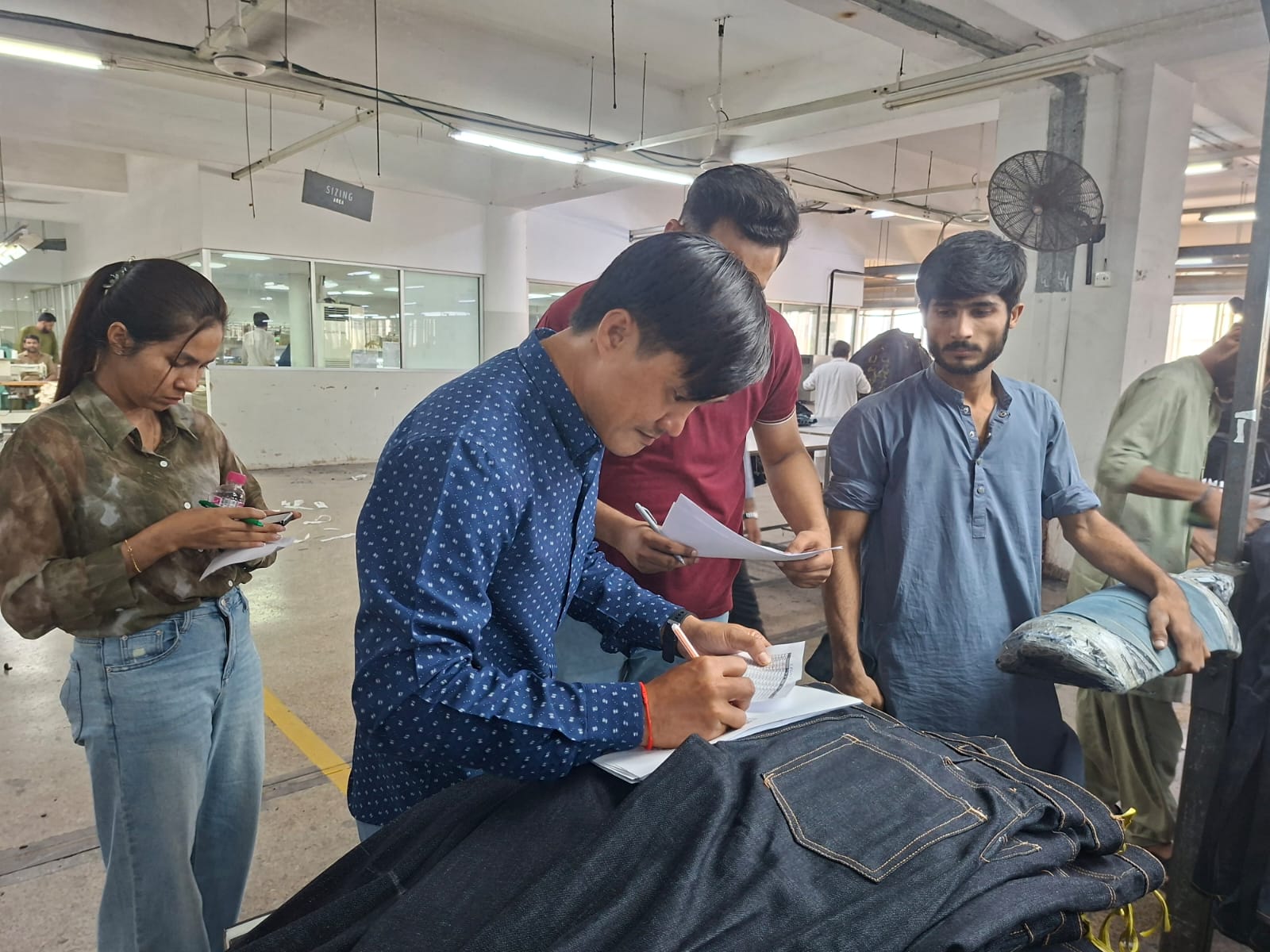
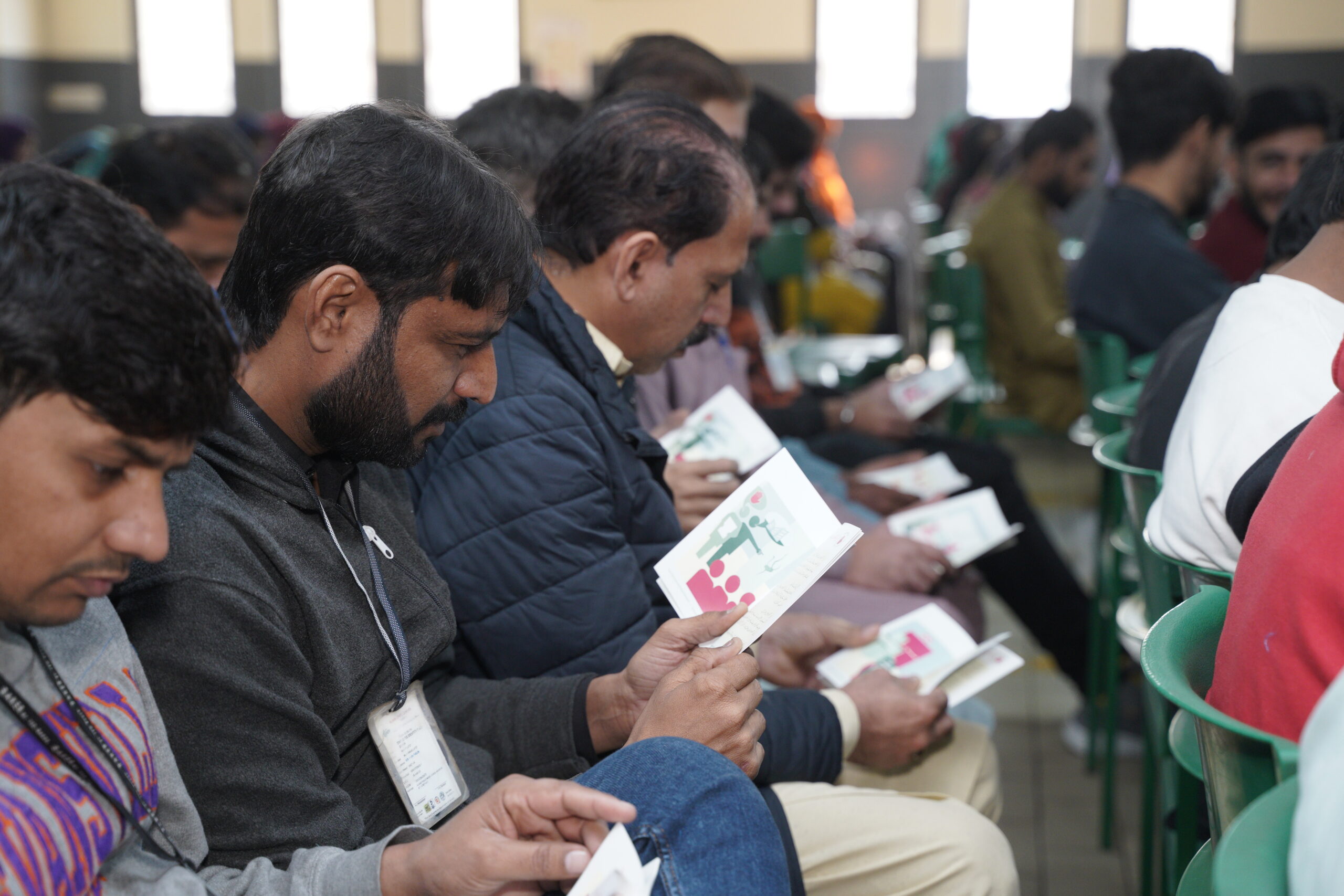
- A briefing for the workers and factory management at the start of the day.
- An interview with workers at the end of the workday.
The data collection activities were designed to be non-disruptive and ensured minimum interference with normal factory operations.



How the Data Will be Used
In the coming weeks, the findings from the Heat Stress Pilot will be used to:
- Develop site-specific reports that support factories in implementing measures to mitigate heat stress risks. These reports will be shared with the participating factories and the Accord brands producing at the facilities.
- Inform the development of a Pilot Summary Report, highlighting cross-site findings and trends to enable model development. This report will not identify individual factories and will present aggregated results.
- Inform the development of the Accord’s Heat Stress Protocol and its key pillars:
- Monitoring of temperatures across production floors, with data visible to workers, factory management and the Accord.
- Temperature Thresholds that determine when corrective/ immediate action is required.
- Identification of heat risks through temperature sensors, inspections, and via complaints.
- Remediation via Engineering controls, welfare controls and worker protection controls.
- Worker and Factory Management Training & Awareness: Integration of heat stress in the Accord’s Safety Committee and All-Employee Meeting modules.
- Supplier Incentives: Technical Guidance, financing remediation, development of costing tool.
The Accord is grateful to the teams of Royal Holloway University of London, the Global Labor Institute (Cornell University) and ARUP, for their valuable expertise in conducting this pilot. Our thanks also go out to all participating factories and signatory brands whose contributions led to the successful completion of the pilot.
For any questions related to the International Accord’s work on heat stress please contact our Stakeholder Engagement Manager, Clara Kamphorst at clara.kamphorst@internationalaccord.org.
For more information, contact:
- media@internationalaccord.org
- Mini Dixit (Communications Advisor): mini.dixit@internationalaccord.org
Related updates

14 years ago today, over 250 workers lost their lives at the Ali Enterprises textile factory in the Baldia district of Karachi, Pakistan. On this anniversary, Pakistan Accord remembers them and expresses its deepest condolences to their families and to all those affected by the tragedy.
This briefing provides updates on the number of signatory brands, factories and workers. Additionally, it includes updates on the recently launched Factory Portal and Engineering Helpdesk.
This briefing provides updates on the number of signatory brands, factories and workers. Additionally, it includes guidance on the actions suppliers should take to address immediate safety findings.
We extend our deepest condolences to the victims and families affected by the tragic gas cylinder explosion and fire at Pretty Composite Textiles Ltd in Ashulia, Savar on Sunday, 20 September.

14 years ago today, over 250 workers lost their lives at the Ali Enterprises textile factory in the Baldia district of Karachi, Pakistan. On this anniversary, Pakistan Accord remembers them and expresses its deepest condolences to their families and to all those affected by the tragedy.
300 global garment brands and retailers have signed the International Accord for Health and Safety in the Textile and Garment Industry (International Accord) with global unions, IndustriALL and UNI.
Follow us on social media
