
Supplier Briefing #9
These briefings are designed for all factories and suppliers listed by Pakistan Accord signatory brands. They include updates on key developments under the Pakistan Accord, along with information on upcoming events, guidance materials, and resources for suppliers.
We encourage all suppliers and factories covered by the Pakistan Accord to read these briefings and to share suggestions on what they would like to see in them by contacting us via pakistan.factories@internationalaccord.org.
This briefing includes updates on:
- Pakistan Accord Renewal
- Coverage: Signatory Brands, Factories and Workers
- Program Rollout: Inspections & Remediation (Immediate findings, Technical Workshops), Workplace Programs (Safety Training and Complaints Mechanism), Government Capacity Building
- Events: Townhall Meetings, Visit of Sindh Minister Mr. Saeed Ghani
- Operations: Hiring Updates, Vacancies
Pakistan Accord Renewal
Global brand and trade union representatives have renewed the Pakistan Accord to continue the health and safety improvements at the sourcing facilities of signatory brands in Pakistan. The renewed agreement took effect on 1 January 2026.
Over 130 global brands and retailers have signed the renewed Pakistan Accord, reaffirming their commitment to factory improvements in collaboration with their sourcing partners. The agreement runs until 31 December 2026 and will automatically renew for a further three years, through 31 December 2029, to align with the timeline of the International Accord framework agreement. This means the Accord’s health and safety programs in Pakistan will run for another 4 years.
With the renewal in place, suppliers will continue advancing life-saving factory improvements, strengthening business opportunities, and reinforcing brands’ confidence in responsible sourcing from Pakistan. The Pakistan Accord team remains available to guide factories on Corrective Action Plans (CAPs), remediation measures, and the rollout of the Safety Training and Complaints Mechanism.
The Pakistan Accord first took effect in January 2023 as a legally binding agreement between global brands and trade unions, UNI and IndustriALL, to ensure worker health and safety within Pakistan’s textile and garment industry.
Coverage: Signatory Brands, Covered Factories and Workers
At the time of writing this briefing, over 130 brands sourcing from Pakistan have signed the renewed Pakistan Accord. Pakistan Accord signatories include the world’s largest clothing brands and retailers and are headquartered in 18 countries across the United States of America, Europe, Australia, Hong Kong, Turkey, and Japan.
Collectively, Pakistan Accord brands are sourcing from 474 factories employing over 550,000 workers. Moreover, the export value of these brands increased from USD $3.5 billion in 2024 to over USD $4.4 billion at the start of 2026.
View the latest list of Pakistan Accord signatories.
View the list of factories participating in the Pakistan Accord programs.
Program Rollout
Inspections and Remediation
To date, Pakistan Accord engineers have conducted 351 Initial Inspections, 95 Follow-Up Inspections, and 34 Special Inspections to identify fire, electrical, and structural safety risks across factories in Karachi, Lahore, and Faisalabad.
156 boilers across 92 factories have received at least one boiler safety inspection. Boiler safety inspections identify risks such as safety valves deterioration, absence of steam pressure limiters and leakages in tube welding joints.
Immediate Findings
Recent factory fires in Pakistan, including the Gul Plaza shopping complex fire in Karachi which claimed at least 67 lives, highlight the urgent and ongoing need for robust fire prevention, building integrity, and life safety measures to prevent the loss of life.
There are several immediate actions factories can take to significantly increase worker safety and to ensure rapid evacuation in the event of a fire:
Lockable Exits/Collapsible Gates: Remove all locks and mechanisms including bolts and hasps, from exit doors. If locks are necessary for security, use specialised door locking features that comply with NFPA 101.
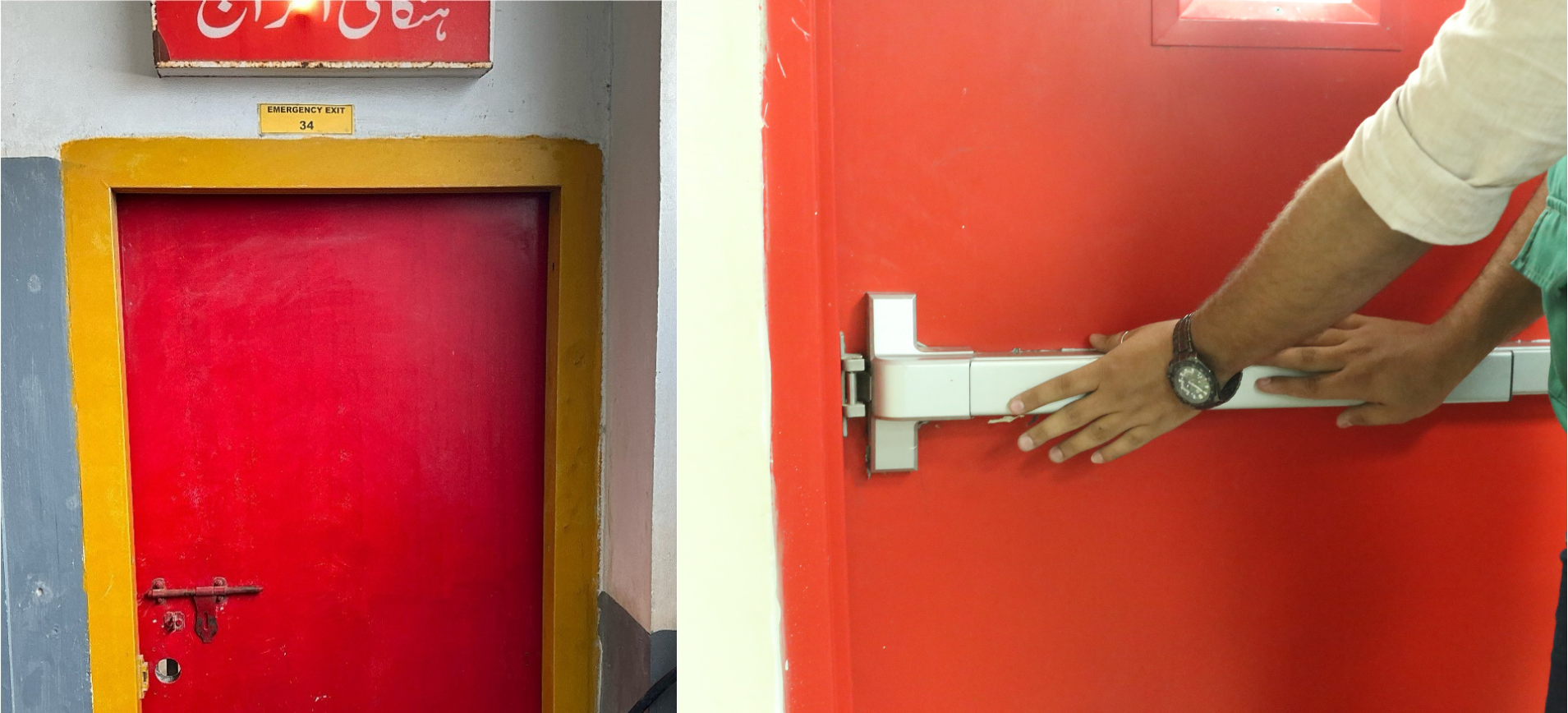
Left – Hazard: Locked fire exit; Right – Control: Unlocked, self-closing fire exit
Storage in Egress Paths, Exit Stairs & Dining Areas: Implement management systems to keep all egress routes, stairs, and dining areas clear of storage at all times. Stairs must always remain protected and unobstructed.
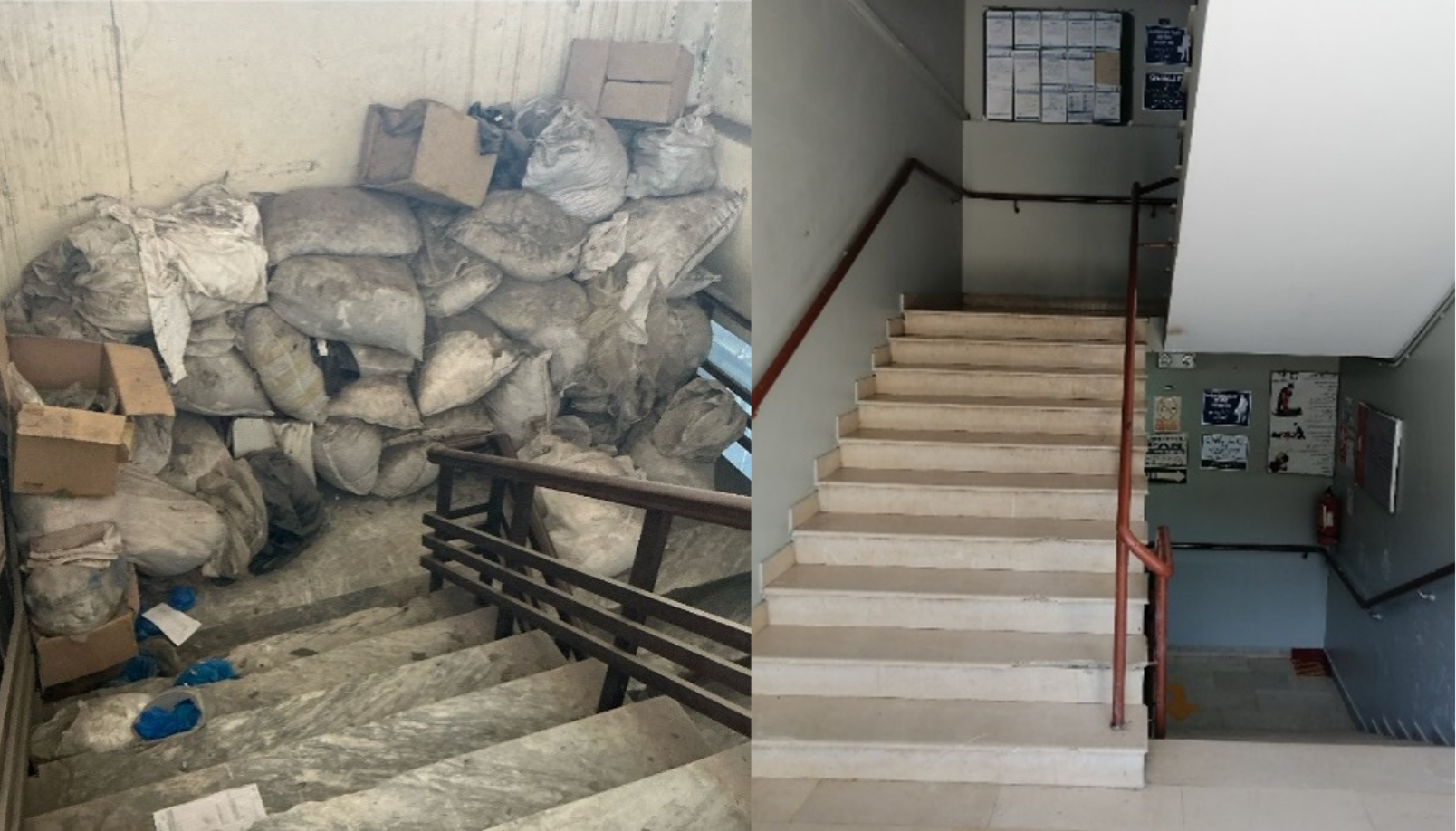
Left – Hazard: Blocked/narrowed evacuation route; Right – Control: Clear exit route
Stair & Occupant Load Signs: Provide stair designation signs and occupant load signs at the required locations. For stairs that do not lead outside the building, further modifications may be required to qualify as a means of egress. Guidance will be in your CAP or developed by your appointed engineering consultants.
Inadequate Exit Capacity: Specify stair locations, discharge floors, arrangements for discharge to an open environment, and openings on discharge floors (e.g. free from storage, production, etc.)
Cracked Columns: Have your consultant engineers, witnessed by Pakistan Accord engineers, take concrete core samples to assess any cracked structural columns.
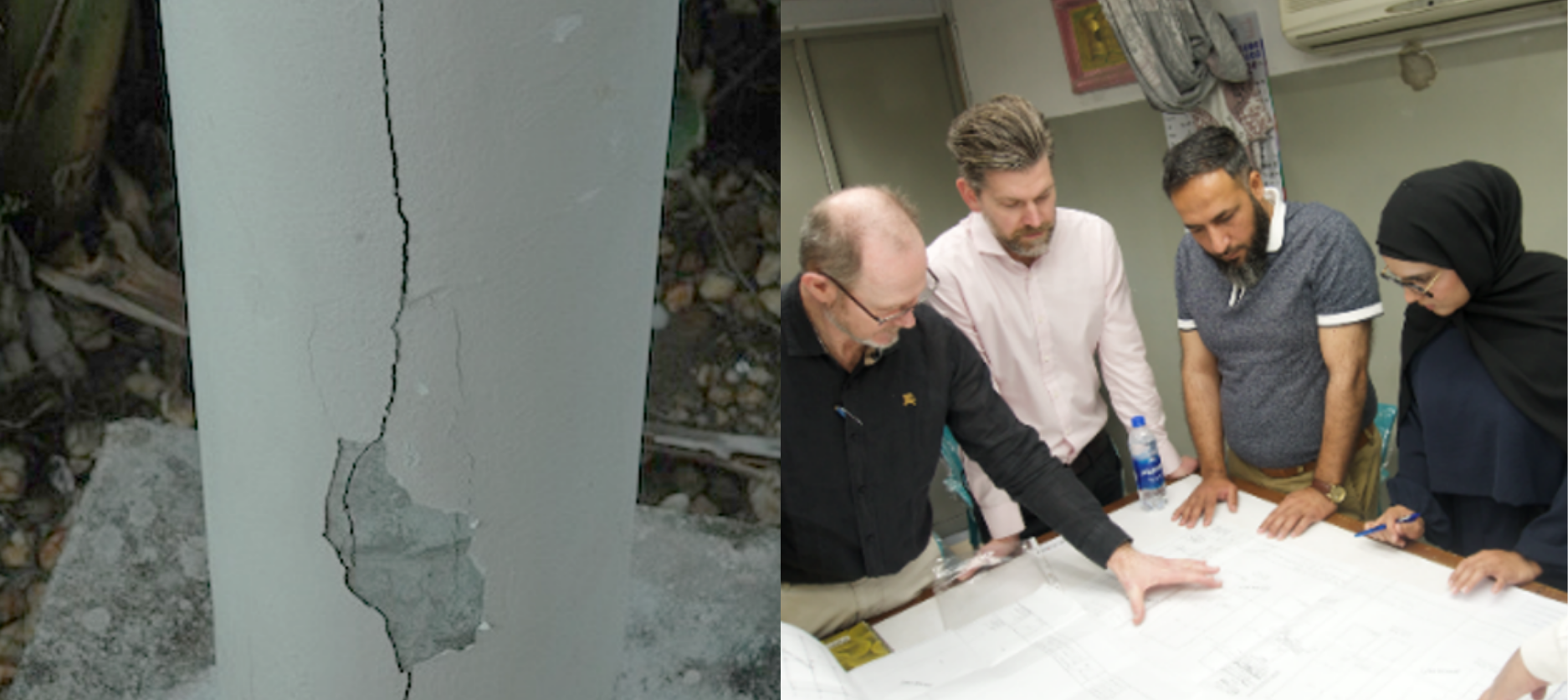
Left – Hazard: Crumbling columns/cracks; Right – Control: Building maintenance & structural safety assessment
Hot Spots: Inspect electrical load conditions, panel locations, and probable causes of high temperatures. If temperatures are excessive, circuit breakers must be immediately shut down.
Storage of Raw Materials and Finished Goods: Keep all materials away from work areas and heat sources. All items must be kept clear of ignition sources, particularly electrical equipment or heat-producing machinery.
Fire detection systems have important life-saving value as they alert occupants to the presence of a fire and allow them to evacuate safety. Factories without adequate detection systems should post security or other personnel as a temporary “fire watch” to ensure early detection. This in turn will facilitate prompt evacuation of the building before a fire develops.
Sprinkler systems provide a significant life-saving measure and are essential in multiple scenarios depending on the height of the building or in large open production floors with extended travel distances. Consult your CAP or the Pakistan Accord team for further guidance.
Both fire detection and sprinkler systems, including fire pumps, water reservoirs, and standpipe systems, are complex installations requiring detailed technical design, engineering calculations, professional expertise and investments. Factories should discuss these systems with their engineering consultants as soon as possible.
Technical Workshops
In January-February 2026, the Pakistan Accord conducted a series of eight technical workshops reaching over 120 suppliers and 600 participants in Karachi and Lahore.
These workshops focused on:
- Developing practical skills for identifying fire, electrical, and structural safety risks
- Exchanging effective approaches to remediation planning, prioritisation, and implementation
- Sharing technical insights and best practices to improve factory safety
- Strengthening collaboration between suppliers, factory management teams, and the Pakistan Accord
- Deepening understanding of the Pakistan Accord Building Standard and its application
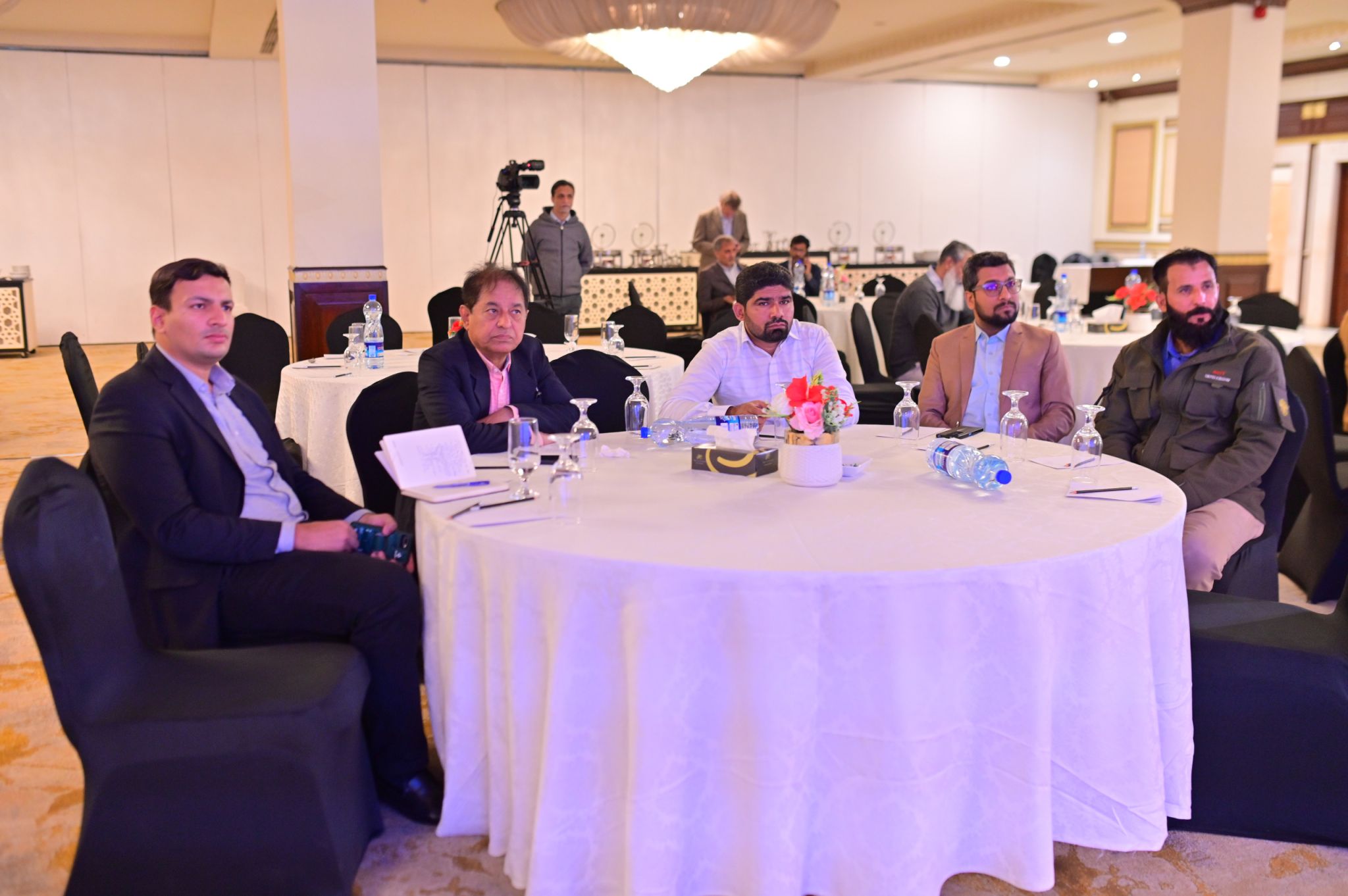
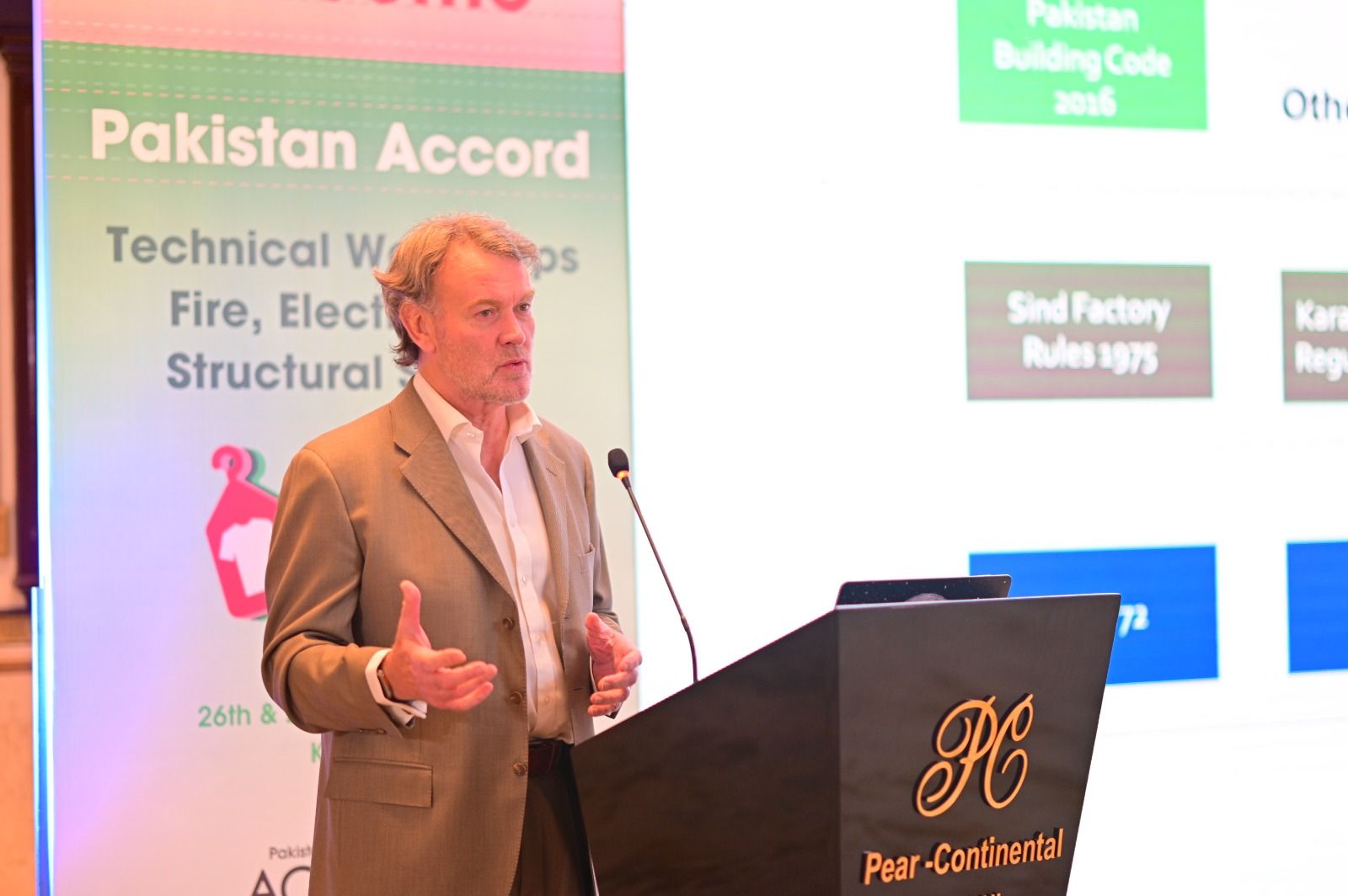
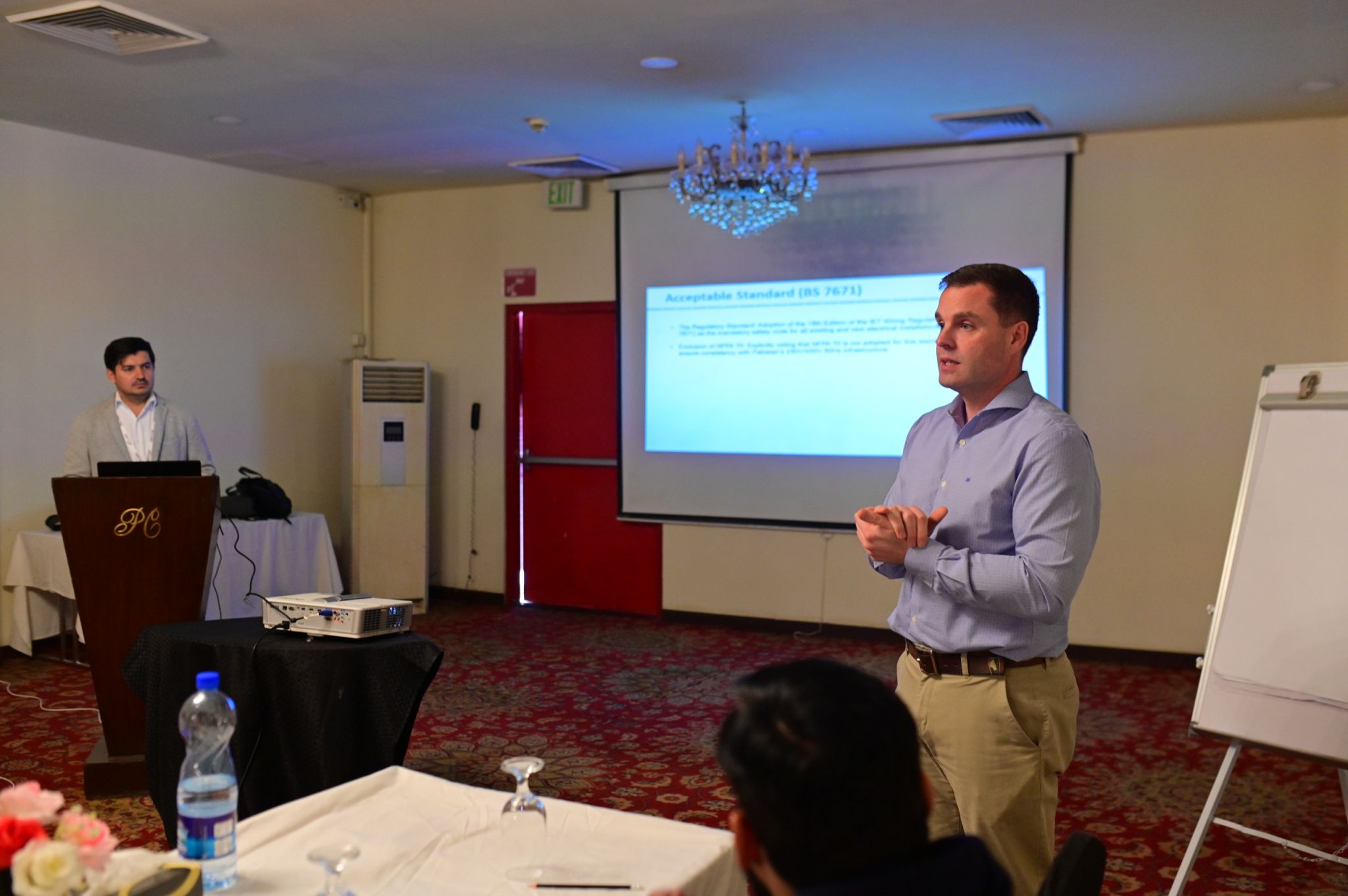
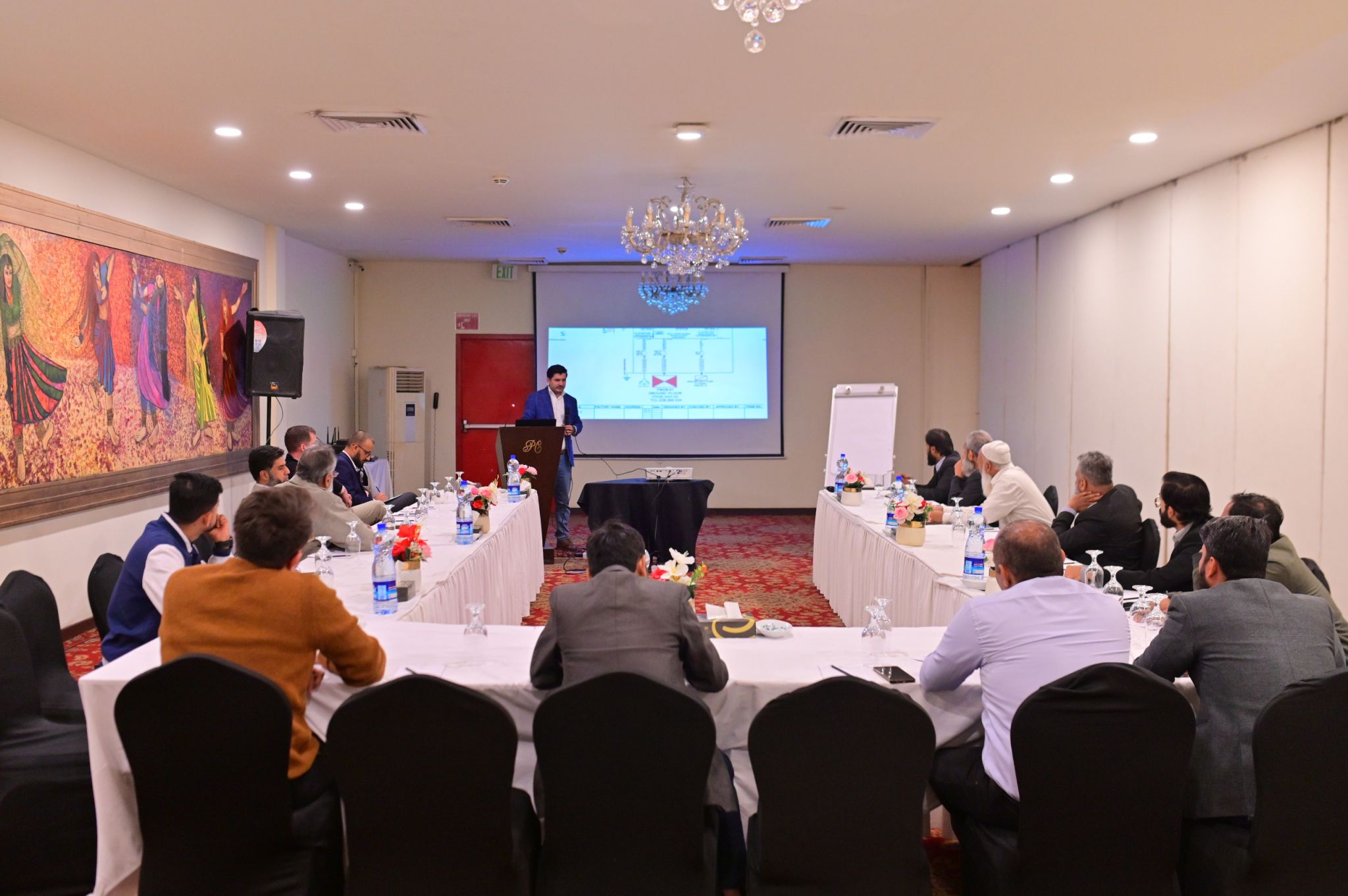
The workshops featured technical expertise, with introductory sessions by Paul Rigby, Chief Safety Officer (Pakistan Accord), Robert Parkinson and Luke Cameron (Joule Group), Tim White (Herongate Consulting), and Colm Quinn, Head of Operations (International Accord). Pakistan Accord Engineering Leads Majid Khan Jadoon and Talha Akram Khan also shared valuable factory-level technical insights during the workshops.
The opening session welcomed industry support, with Aamir Chottani, Chairman of PRGMEA (South) and CEO of CHOTTANI INDUSTRIES, delivering opening remarks that reaffirmed the industry’s commitment to safe working conditions and welcomed the Pakistan Accord’s extension. Umair Memon, Director of Kings Apparel Industries, emphasised the workshops’ critical role in explaining the Pakistan Accord Building Standard and discussing effective remediation measures.
We thank all participants, speakers, and technical teams for their valuable contributions.
Workplace Programs
The Pakistan Accord is making continued progress in implementing its Workplace Programs across factories. To date, 301 initial meetings have been conducted, and All-Employee Meetings have taken place at 167 factories, totaling 715 sessions, with 173,236 booklets on workplace health an safety distributed to worker participants.
In addition, 85 Safety Committee meetings have been held with 1,096 participants; these joint labour-management committees support workplace health and safety at covered factories.
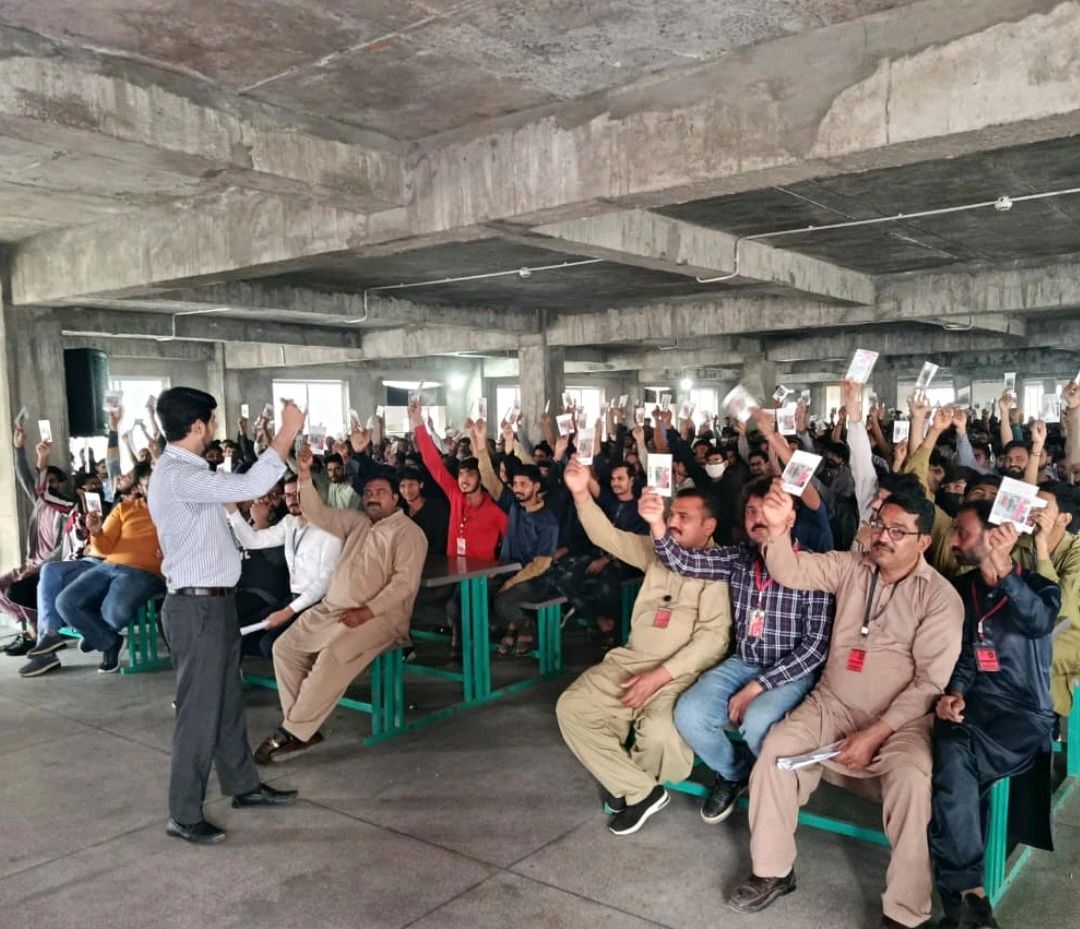
The Complaints Mechanism has received 328 complaints. The most common complaints relate to forced overtime, inadequate quality or quantity of food, verbal abuse, overtime without payment, workplace injuries or deaths, and heat stress. 50 complaints have been resolved via the Pakistan Accord’s independent Complaints Mechanism.
Government Capacity Building
Building Safety Training for Labour Department, Punjab
From 12-13 February, the Pakistan Accord organised a fire & building safety training for 31 officials from the Labour Department of the Punjab province, with notable participation from Syeda Kulsume Hai, Director General, Labour Welfare, Punjab. The workshop contributed to our government capacity building efforts and focused on:
- Fire safety measures such as means of egress, fire suppression systems, fire safety drawings;
- Structural safety measures such as structural documentation, structural and as-built drawings, Detailed Engineering Assessments (DEA); and
- Electrical safety measures such as electrical safety systems, hot spots, Single Line Diagrams (SLDs), Fire Alarm & Detection systems (FADS).
The workshops fostered engagement and knowledge sharing between relevant government departments. Participants took keen interest shared their experiences for building inspections and identified risks. We look forward to organising similar trainings to contribute to life-saving building improvements in Pakistan.
Events
Townhall Meetings
From 13-19 January, the Pakistan Accord organised a series of townhall meetings for covered suppliers, sourcing agencies, and Accord brand representatives across Lahore, Karachi, and Faisalabad.
With over 400 participants in attendance, the meetings focused on sharing updates on the Pakistan Accord and its renewal, progress on the inspections and remediation, as well as updates on the safety training and Complaints Mechanism.
The sessions also included discussions and participation on key Accord topics such as financing remediation, building safety measures, and technical guidance.
Visit of Sindh Minister Mr. Saeed Ghani
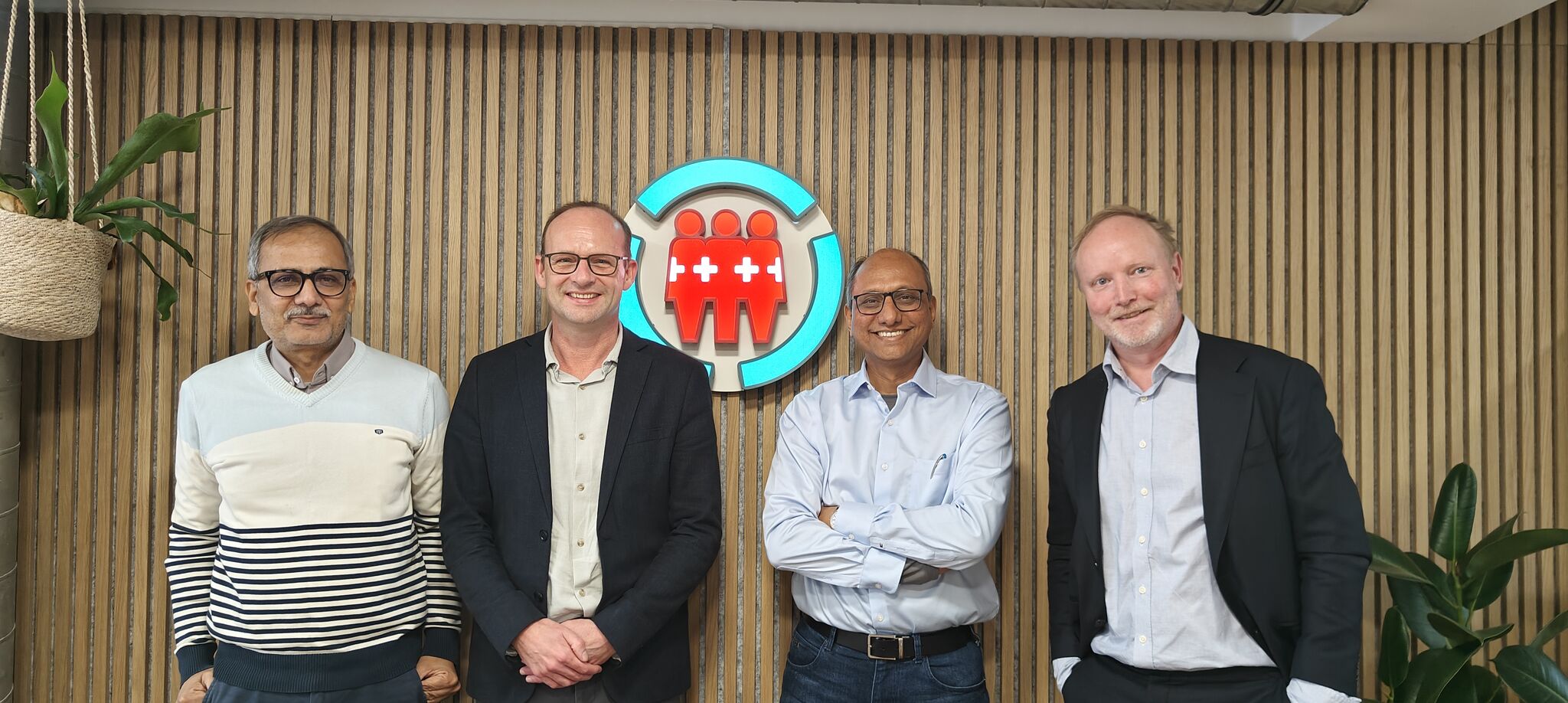
In February, the International Accord welcomed Sindh’s Minister for Labour, Human Resources, and Social Protection, Mr. Saeed Ghani, to our Secretariat in Amsterdam.
Minister Ghani was in Europe to participate in the OECD – OCDE Forum on Due Diligence in the Garment and Footwear Sector in Paris. At the forum, he presented Sindh’s legislative framework for home-based workers. He also met with International Accord Steering Committee members Michael Bride (PVH Corp.), as well as Atle Høie, and Christina Hajagos-Clausen (IndustriALL Global Union).
The discussions with Minister Ghani focused on the recently renewed Pakistan Accord and its role in advancing workplace safety across Pakistan’s textile and garment sector. Minister Ghani reaffirmed the Sindh Government’s commitment to strengthening labour standards and inspection systems, recognising these as critical steps toward safer workplaces across the province.
Operations
The Pakistan Accord continues to build and train local teams in Karachi and Lahore to ensure effective program implementation.
We are seeking a new, Karachi-based, Remediation Department Manager to ensure effective communication and coordination between Pakistan Accord signatories, covered suppliers, and staff on the non-technical aspects of remediation monitoring and Corrective Action Plan (CAP) implementation.
View the Remediation Department Manager job vacancy
Resources
Stay in Touch
Related updates
Ten years after the first Accord was signed, the Accord Secretariat reflects on the progress in worker safety in the past decade and our vision for the future.
A total of 54 brands and retailers have thus far signed the Pakistan Accord for Health and Safety in the Textile and Garment Industry, with more expected to follow in the coming weeks.
The Accord commemorates 10 years since the Rana Plaza collapse by remembering those who perished, those who were injured, and those who continue living with the impacts of one of the worst workplace disasters in modern history.
A total of 54 brands and retailers have thus far signed the Pakistan Accord for Health and Safety in the Textile and Garment Industry, with more expected to follow in the coming weeks.
The Accord commemorates 10 years since the Rana Plaza collapse by remembering those who perished, those who were injured, and those who continue living with the impacts of one of the worst workplace disasters in modern history.
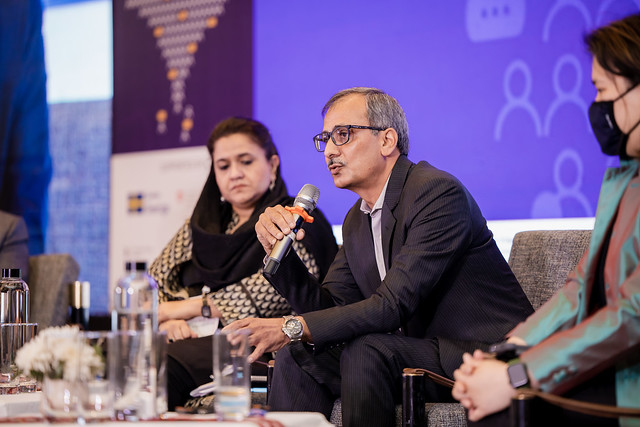
The International Accord participated in the 4th UN South Asia Forum on Business and Human Rights organized by UNDP Business and Human Rights Asia from 20-22 March 2023 in Kathmandu, Nepal.
Follow us on social media
