Statement on Ashulia Factory Explosion and Fire
Accord
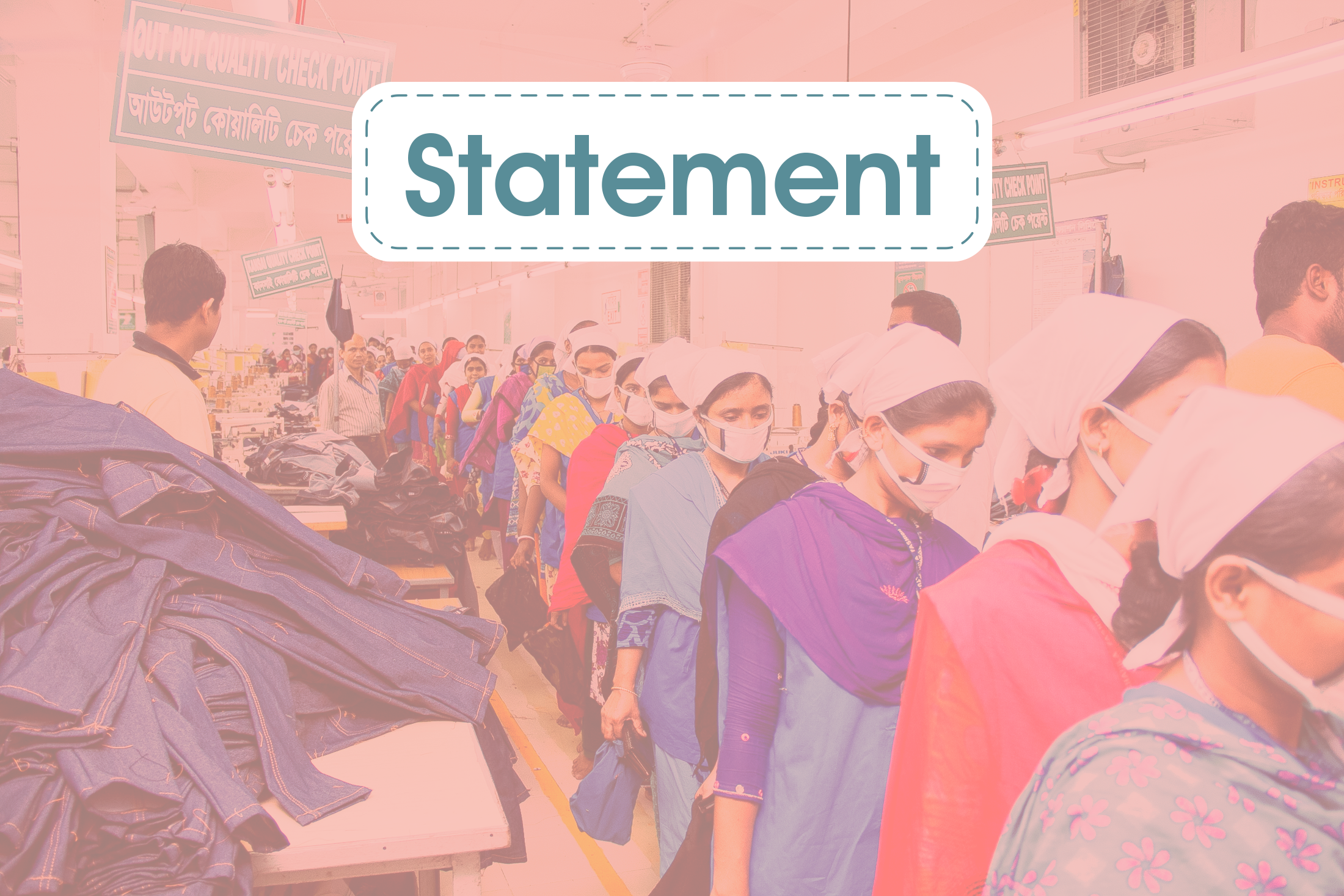
We extend our deepest condolences to those killed and injured in the gas cylinder explosion and fire at Pretty Composite Textiles Ltd in Ashulia, Savar on Sunday, 20 September. Our thoughts are with the victims, their families, and all those affected by this incident.
Based on witness statements, discussions with factory management representatives and Safety Committee members, and preliminary post-incident observations made by the RMG Sustainability Council (RSC) engineers, a spark from an electric supply line near the boundary area may have triggered a gas (LPG/CNG) related fire and explosion. The fire spread to the adjacent LPG/CNG vehicle parking area, damaging several vehicles. As per the latest information available to the the RSC and Accord, at least 9 fatalities related to the incident have been reported so far.
The RSC will continue monitoring the situation in the affected area. Ensuring that every worker has access to a safe working environment remains a shared priority and responsibility for the RSC and the Accord. We reaffirm our dedication to working with all relevant stakeholders and partners to build and maintain a culture of health and safety that prevents such tragedies within the RMG sector in Bangladesh.
For more information, contact:
Related updates
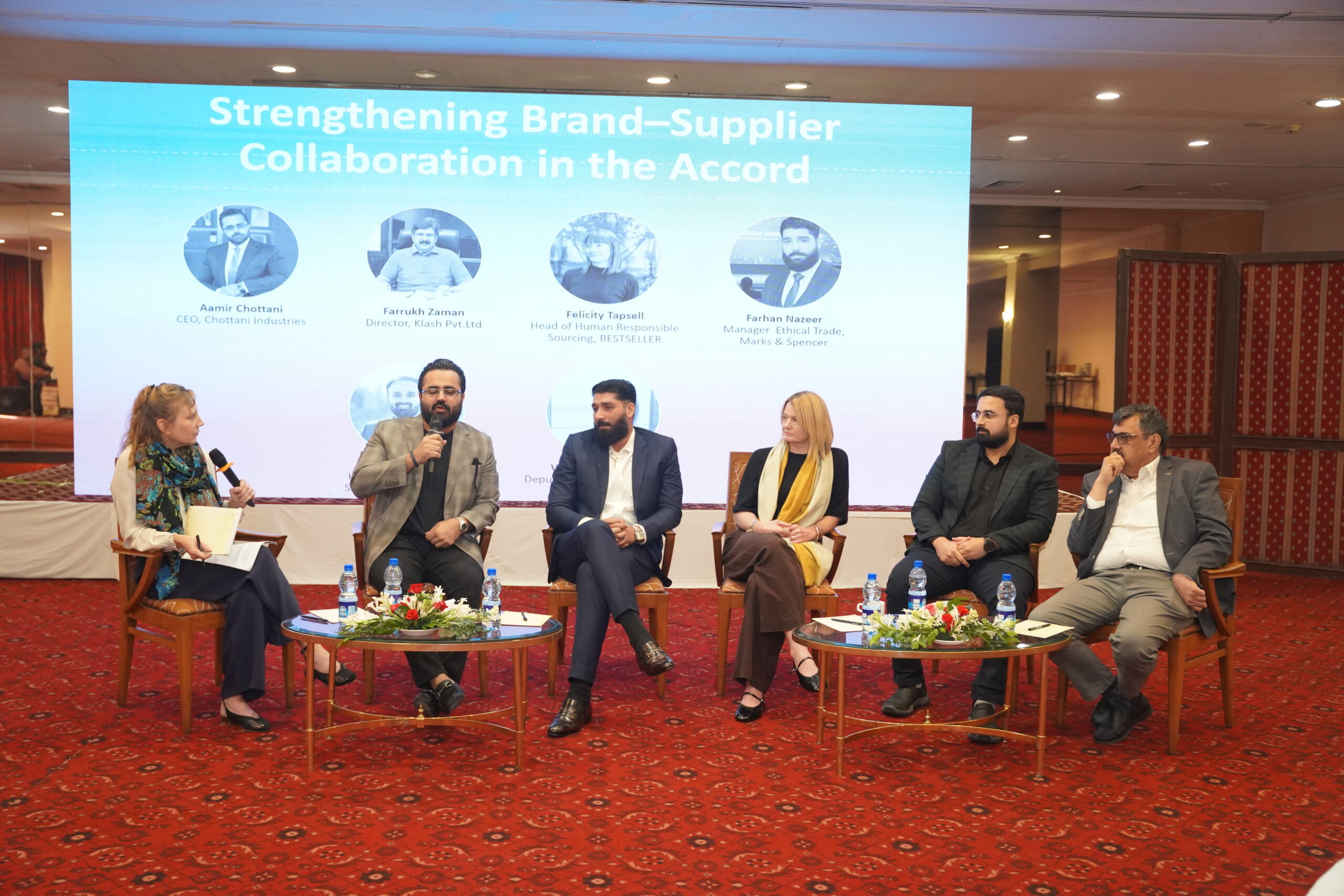
On 23 October 2025, the Pakistan Accord hosted a Brand-Supplier Roundtable at the Avari Hotel in Lahore, bringing together over 50 brand representatives and 30 key suppliers.
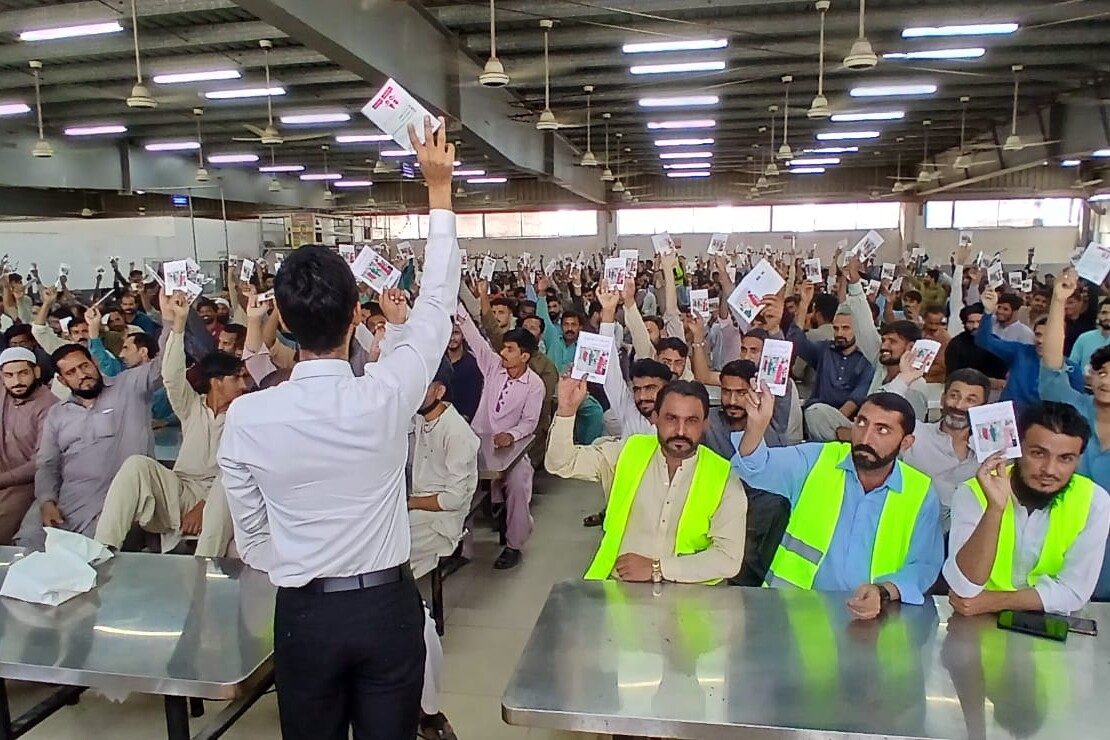
This briefing provides updates on the number of signatory brands, factories and workers. Additionally, it includes guidance on the actions suppliers should take to address immediate safety findings.
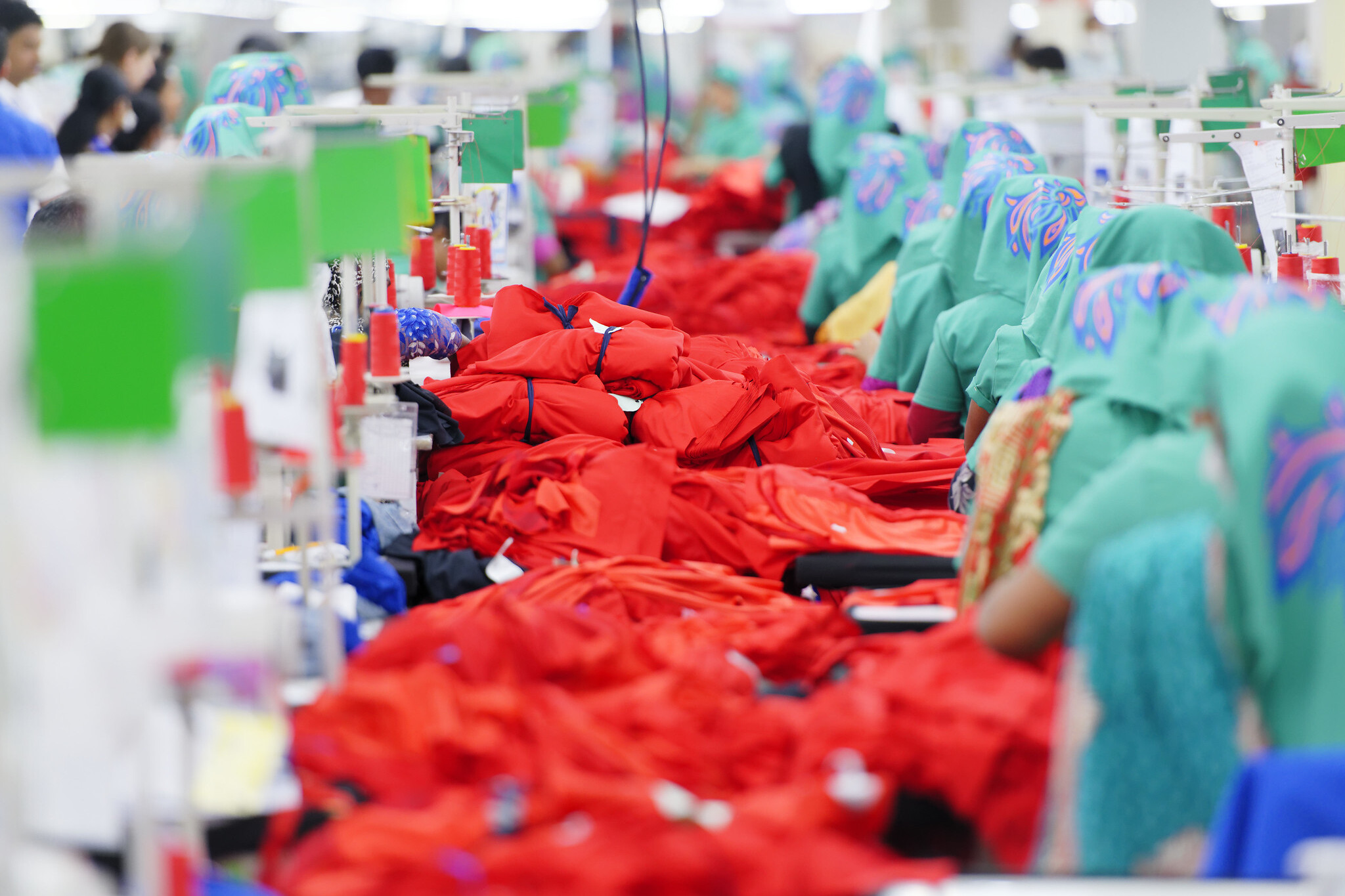
Safe exits, unlocked gates, functioning alarms, effective fire separation, and strong emergency preparedness are essential for the health and safety of every worker, within and beyond the garment industry.

The International Accord is saddened by the earthquake in Bangladesh and concerned about the reported injuries and loss of life. Our thoughts are with all affected individuals and families.
The International Accord is pleased to announce that, from mid-November 2025, the Worker Complaints Mechanism in Bangladesh will be expanded to cover issues beyond Occupational Safety and Health (OSH).
On 23 October 2025, the Pakistan Accord hosted a Brand-Supplier Roundtable at the Avari Hotel in Lahore, bringing together over 50 brand representatives and 30 key suppliers.
Follow us on social media


Pakistan Accord - Guide on Preliminary Finance Schedule
Pakistan Accord - Guide on Preliminary Finance Schedule

14 Years Since the Baldia Factory Fire: Pakistan Accord Reaffirms Commitment to Workplace Safety
Accord
Statement
Karachi, Lahore & Amsterdam, 11 September 2026:
14 years ago today, over 250 workers lost their lives at the Ali Enterprises textile factory in the Baldia district of Karachi, Pakistan. On this anniversary, Pakistan Accord remembers them and expresses its deepest condolences to their families and to all those affected by the tragedy.
To mark the occasion, Pakistan Accord staff in its Karachi and Lahore offices held an internal dialogue, 14 Years On: Remembering the Baldia Factory Fire, reflecting on the importance of workplace health and safety and the lessons that remain relevant for the garment industry.
Zulfiqar Shah, Country Director, Pakistan Accord; Véronique Camerer, Deputy Director, International Accord; Kirsty Drew, Chief Complaints Officer, Pakistan Accord, and other staff members paid tribute to the workers who lost their lives and highlighted the continued importance of effective fire, electrical, and structural safety measures for workers.

The Baldia tragedy remains an important reminder of the need for effective fire prevention, appropriate safety measures, and safe working conditions. Workplace safety requires sustained attention, effective systems, and the active involvement of all relevant stakeholders.
The Pakistan Accord was established in the context of major industrial disasters, including the Ali Enterprises (Baldia) factory fire in Pakistan and the Rana Plaza collapse in Bangladesh, with the objective of contributing to safer workplaces in the garment and textile industry.
Since its launch in January 2023, the Pakistan Accord team has conducted safety inspections at over 450 factories, identifying more than 40,000 safety risks. Corrective Action Plans (CAPs) have been developed, and Pakistan Accord engineers, including international experts, are working with suppliers to support remediation in accordance with applicable national and international safety standards.
The program currently covers factories employing more than 500,000 workers. Pakistan Accord will continue to support listed suppliers in addressing identified safety issues and strengthening workplace safety systems.
The Accord’s workplace program has also provided safety awareness training to more than 250,000 workers and established a trusted Complaints Mechanism through which workers can raise health and safety concerns. More than 800 complaints have been received so far.
Pakistan Accord recognises that workplace safety improvements can only be achieved and sustained in cooperation and collaboration with brands, suppliers, workers and their representatives, government, and other relevant stakeholders.
On this anniversary, Pakistan Accord remembers the workers who lost their lives and reaffirms its commitment to supporting continued improvements in workplace health and safety in Pakistan’s garment and textile industry.
END
For more information, contact:
- media@internationalaccord.org
- Mini Dixit (Communications Advisor): mini.dixit@internationalaccord.org
Related updates
On 23 October 2025, the Pakistan Accord hosted a Brand-Supplier Roundtable at the Avari Hotel in Lahore, bringing together over 50 brand representatives and 30 key suppliers.
This briefing provides updates on the number of signatory brands, factories and workers. Additionally, it includes guidance on the actions suppliers should take to address immediate safety findings.
Safe exits, unlocked gates, functioning alarms, effective fire separation, and strong emergency preparedness are essential for the health and safety of every worker, within and beyond the garment industry.
The International Accord is saddened by the earthquake in Bangladesh and concerned about the reported injuries and loss of life. Our thoughts are with all affected individuals and families.
The International Accord is pleased to announce that, from mid-November 2025, the Worker Complaints Mechanism in Bangladesh will be expanded to cover issues beyond Occupational Safety and Health (OSH).
On 23 October 2025, the Pakistan Accord hosted a Brand-Supplier Roundtable at the Avari Hotel in Lahore, bringing together over 50 brand representatives and 30 key suppliers.
Follow us on social media
300 Brands Sign the International Accord for Continued Worker Health and Safety
Accord
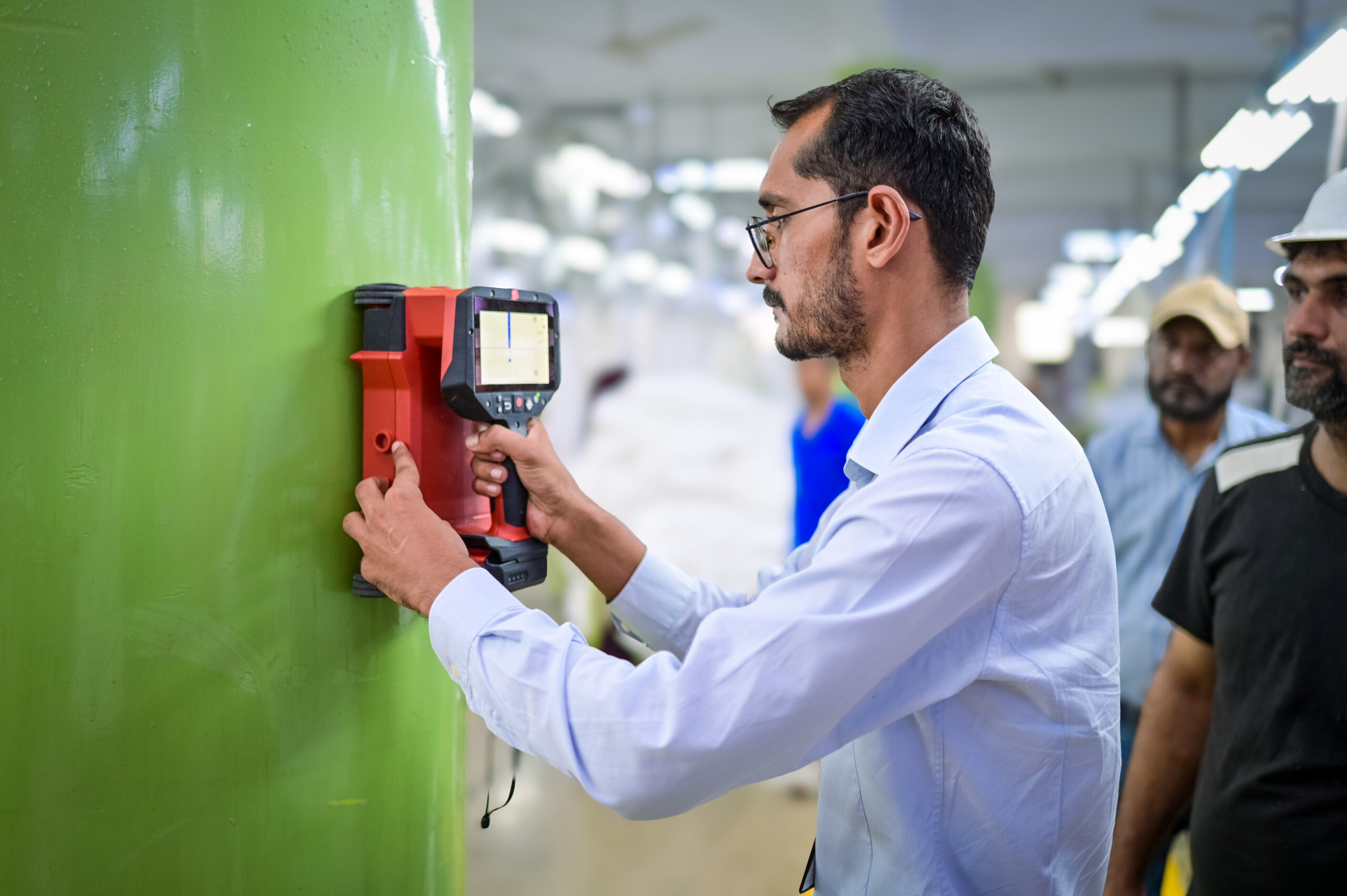
300 global garment brands and retailers have signed the International Accord for Health and Safety in the Textile and Garment Industry (International Accord) with global unions, IndustriALL and UNI, marking the highest number of signatories for any Accord agreement to date.
These signatory brands are headquartered across 26 countries and annually source goods worth approximately USD $26 billion from Bangladesh and Pakistan. Collectively, the Accord brands source from over 2,000 factories with over 3.4 million workers in Bangladesh and Pakistan.
The International Accord was renewed in 2023 as a framework agreement for a three-year term, with automatic renewal for an additional three years, making it the longest commitment in the Accord’s history.
It builds upon the 2013 and 2018 Accords on Fire and Building Safety in Bangladesh, as well as the 2021 International Accord, each of which progressively expanded its scope and commitments.
The International Accord is a legally binding agreement between global brands and trade unions, to create and maintain garment factories where no worker fears fires, building collapses or other accidents that can be prevented with reasonable health and safety measures.
It promotes worker health and safety through factory inspections to identify risks; remediation to implement life-saving improvements; worker safety training to raise awareness of workers’ rights, responsibilities, and health and safety risks; and a trusted Complaints Mechanism for workers to raise health and safety concerns.
The Accord Secretariat thanks all brands, trade unions and civil society organisations who have made this milestone possible. We look forward to welcoming even more brands as we continue working together towards a safer textile and garment industry.
Watch this video message from our Executive Director, Joris Oldenziel, to learn how Accord signatories and their suppliers ensure workplace safety, what factory improvements have been made so far, and why worker health and safety remains a priority.
For more information, contact:
- media@internationalaccord.org
- Mini Dixit (Communications Advisor): mini.dixit@internationalaccord.org

Related updates
On 23 October 2025, the Pakistan Accord hosted a Brand-Supplier Roundtable at the Avari Hotel in Lahore, bringing together over 50 brand representatives and 30 key suppliers.
This briefing provides updates on the number of signatory brands, factories and workers. Additionally, it includes guidance on the actions suppliers should take to address immediate safety findings.
Safe exits, unlocked gates, functioning alarms, effective fire separation, and strong emergency preparedness are essential for the health and safety of every worker, within and beyond the garment industry.
The International Accord is saddened by the earthquake in Bangladesh and concerned about the reported injuries and loss of life. Our thoughts are with all affected individuals and families.
The International Accord is pleased to announce that, from mid-November 2025, the Worker Complaints Mechanism in Bangladesh will be expanded to cover issues beyond Occupational Safety and Health (OSH).
On 23 October 2025, the Pakistan Accord hosted a Brand-Supplier Roundtable at the Avari Hotel in Lahore, bringing together over 50 brand representatives and 30 key suppliers.
Follow us on social media
Pakistan Accord: Supplier Briefing #10

Supplier Briefing #10
These briefings are designed for all factories and suppliers listed by Pakistan Accord signatory brands. They include updates on key developments under the Pakistan Accord, along with information on upcoming events, guidance materials, and resources for suppliers.
We encourage all suppliers and factories covered by the Pakistan Accord to read these briefings and to share suggestions on what they would like to see in them by contacting us via pakistan.factories@internationalaccord.org.
This briefing includes updates on:
- Coverage: Signatory Brands, Factories, and Workers
- Program Rollout: Inspections & Remediation, Workplace Programs
- Events: Engagement Meetings in Pakistan, Pakistan Labour Academy, EU-Pakistan Business Forum
Coverage: Signatory Brands, Covered Factories and Workers
As of 13 August, 142 brands sourcing from Pakistan have signed the Pakistan Accord. Pakistan Accord signatories include the world’s largest clothing brands and retailers and are headquartered in 19 countries across the United States of America, Europe, Australia, Hong Kong, Turkey, and Japan.
Collectively, Pakistan Accord brands source from 458 factories with over 527,000 workers. The export value of these brands increased from USD $3.5 billion in 2024 to over USD $4.5 billion by July 2026.
View the latest list of Pakistan Accord signatories.
View the list of factories participating in the Pakistan Accord programs.
Program Rollout
Inspections and Remediation
To date, Pakistan Accord engineers have conducted 449 Initial Inspections, 207 Follow-Up Inspections, 55 Special Inspections to identify fire, electrical, and structural safety risks across factories in Karachi, Lahore, and Faisalabad.
Over 240 boilers across 117 factories have received at least one boiler safety inspection. These inspections aim to identify risks that could trigger a boiler explosion including issues like safety valves deterioration, absence of steam pressure limiters and leakages in tube welding joints.
Technical Workshops
Pakistan Accord engineers have been conducting a series of technical workshops to support factories in their remediation journey. General sessions on fire, structural and electrical safety were held for 30 factories between 21-23 July. This was followed by specialised sessions for 38 factories requiring Detailed Engineering Assessments (DEAs), from 28 -30 July.
Upcoming Workshops on Immediate Findings and Quick Fixes
To support factories in their remediation journey, the Pakistan Accord is preparing a series of workshops focused on correcting immediate safety findings. Correcting these issues offers significant life-safety value and contributes to boosting remediation progress and overall health and safety at factories. For examples of immediate findings, you can revisit Supplier Briefing No. 8 and 9.
The Pakistan Accord will be arranging a series Town Hall and individual meetings with factories between 8 and 18 September to ensure focused guidance and engagement.
Finance Plan Webinars
Over 80 Preliminary Finance Schedules for covered factories are now complete, providing factory management and brands a shared understanding of cost estimates to support planning, budgeting, and timely implementation of safety remediation.
The costs reflect Pakistani market prices for materials, equipment, and installation, with standard engineering assumptions used for items awaiting detailed designs.
The Pakistan Accord will organise webinars starting the week of 24 August, to delve deeper into these schedules with the concerned factories and their respective sourcing brands.
Factory Portal Launch
The Pakistan Accord launched its Factory Portal in June during an online event attended by inspected factories. The Factory Portal is an interactive online platform for covered factories to directly engage on Accord-related updates and actions.
Through the portal, factories can:
- Update contact details and general information
- Update Corrective Action Plans (CAPs)
- Access their inspection reports
- Upload required documents
- Raise queries directly with Accord engineers
We invite all factories with access to the portal to review their details and complete all pending actions. We request special cooperation and attention to submitting your boiler information at the earliest to support the continuation of boiler safety inspections and remediation at their facilities.
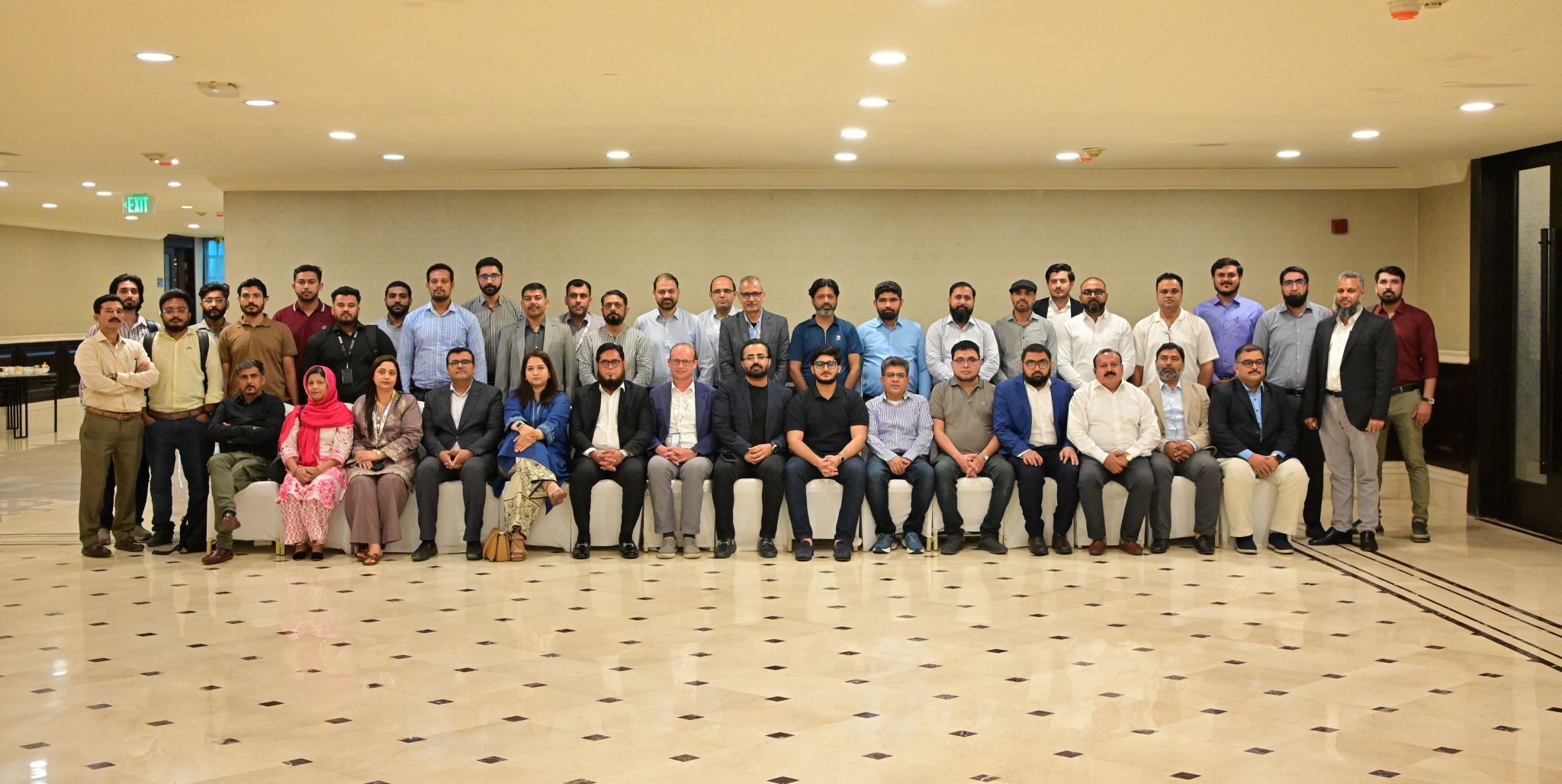
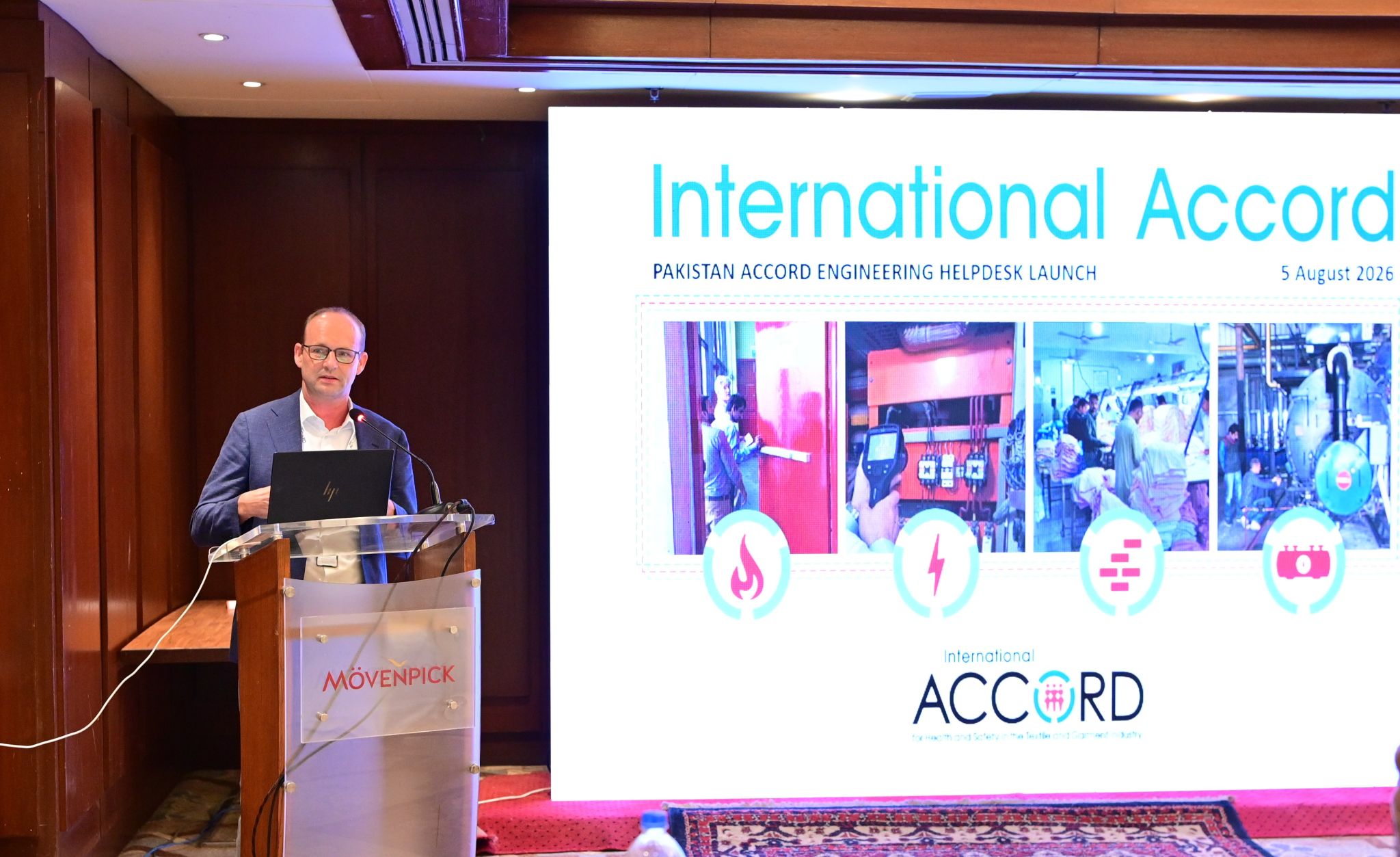
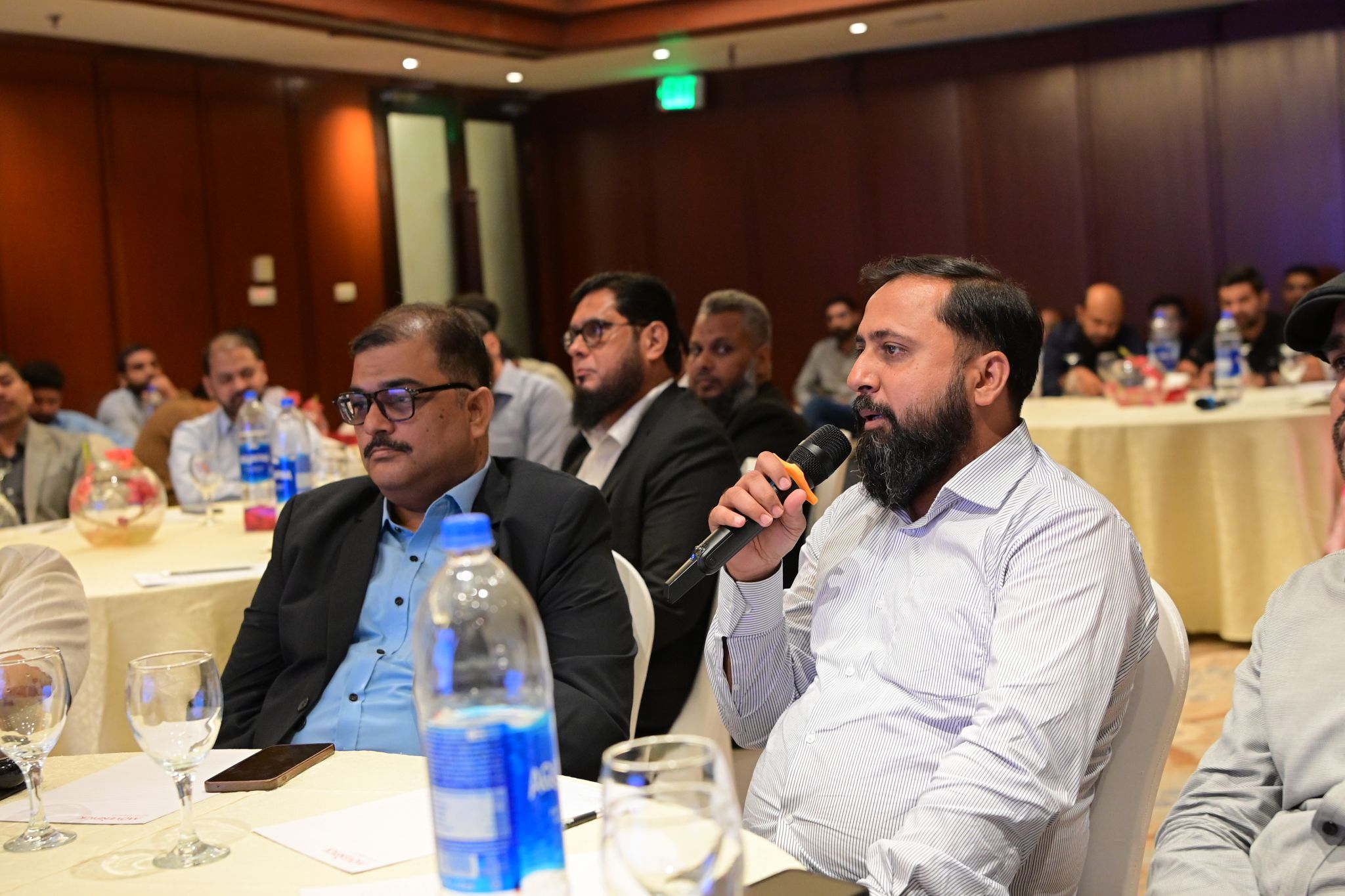
Engineering Helpdesk Launch
The Pakistan Accord has launched a new Engineering Helpdesk to provide consistent, transparent, and accessible technical support to factories and engineering consultants engaged in safety remediation at covered facilities. Other stakeholders involved in factory safety including government agencies, brands and civil society organisations may also refer to the resources.
Key features include:
- Guidance Documents: Detailed resources covering fire, electrical, structural, and boiler safety.
- FAQ Section: Discipline-specific frequently asked questions designed to guide factories on specific queries.
The Helpdesk is a living resource that will evolve based on the needs of factories. In the coming months, it will be populated with training recordings and webinars.
We encourage stakeholders to review existing materials and suggest priorities for future development. Please submit queries and feedback to helpdesk@safetyaccord.pk.
Workplace Programs
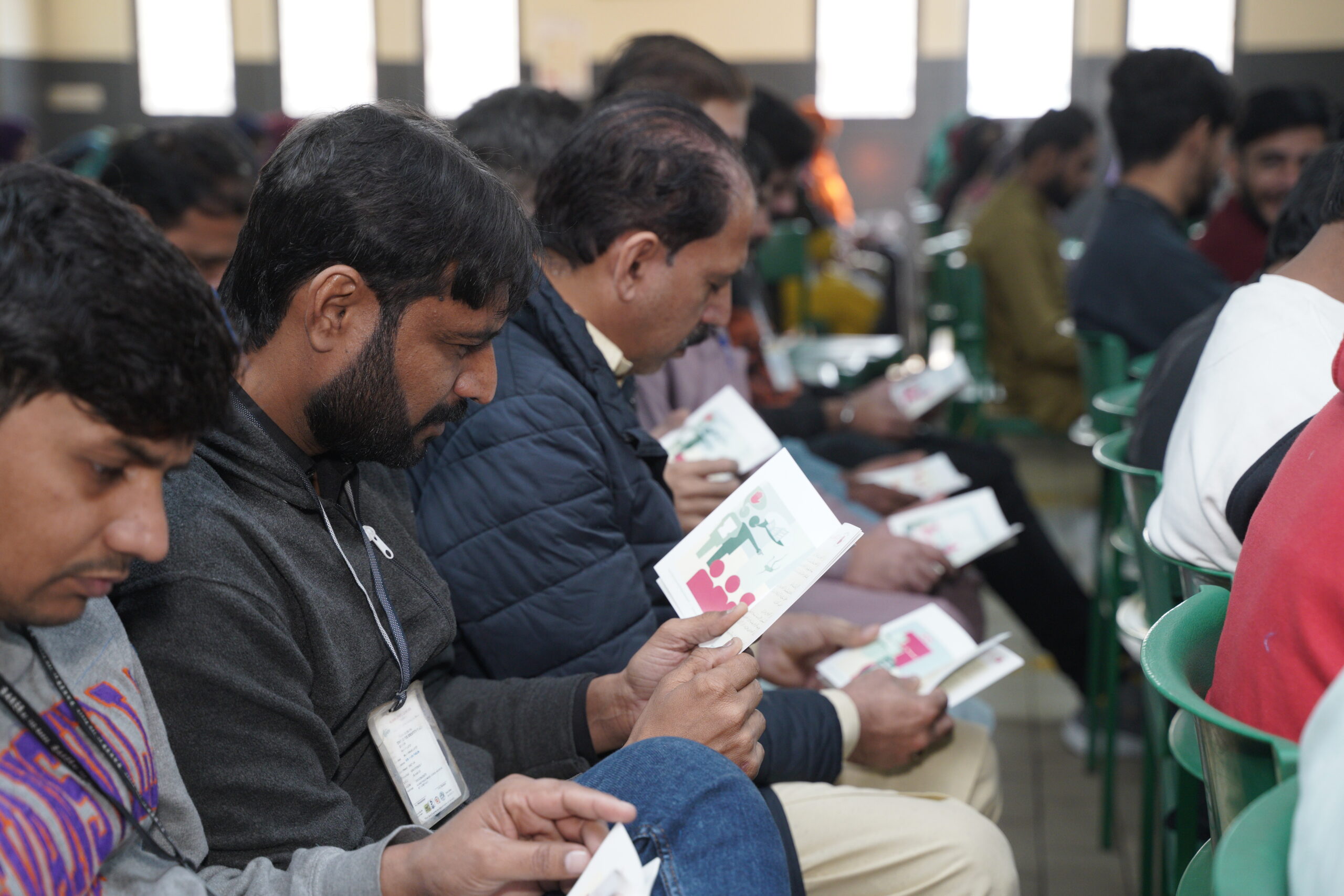
The Pakistan Accord’s Workplace Programs continues to make progress across covered factories. To date, the Workplace Programs team has conducted over 295 initial introductory meetings, and All-Employee Meetings (AEMs) have taken place at 195 factories. As part of the AEMs, 193,250 booklets have been distributed among workers to raise awareness on workplace health and safety.
In addition, 116 Safety Committee training meetings have been held with 1,428 participants. These joint labour-management committees support workplace health and safety at covered factories and are integral to overall health and safety across factories.
The Pakistan Accord’s Complaints Mechanism has received over 345 complaints. The most common complaints relate to forced overtime, inadequate quality or quantity of potable water, verbal abuse, overtime without payment, excessive overtime, threats, and heat stress. Over 65 complaints have been resolved via the Complaints Mechanism.
Events
Engagement Meetings in Islamabad
Joris Oldenziel, Executive Director, International Accord and Zulfiqar Shah, Country Director, Pakistan Accord visited Islamabad for high level engagement meetings with representatives from the Ministry of Commerce, ILO Pakistan, and the Embassy of the Kingdom of the Netherlands. The purpose of the meetings was to update key stakeholders on progress under the Pakistan Accord.
Pakistan Labour Academy
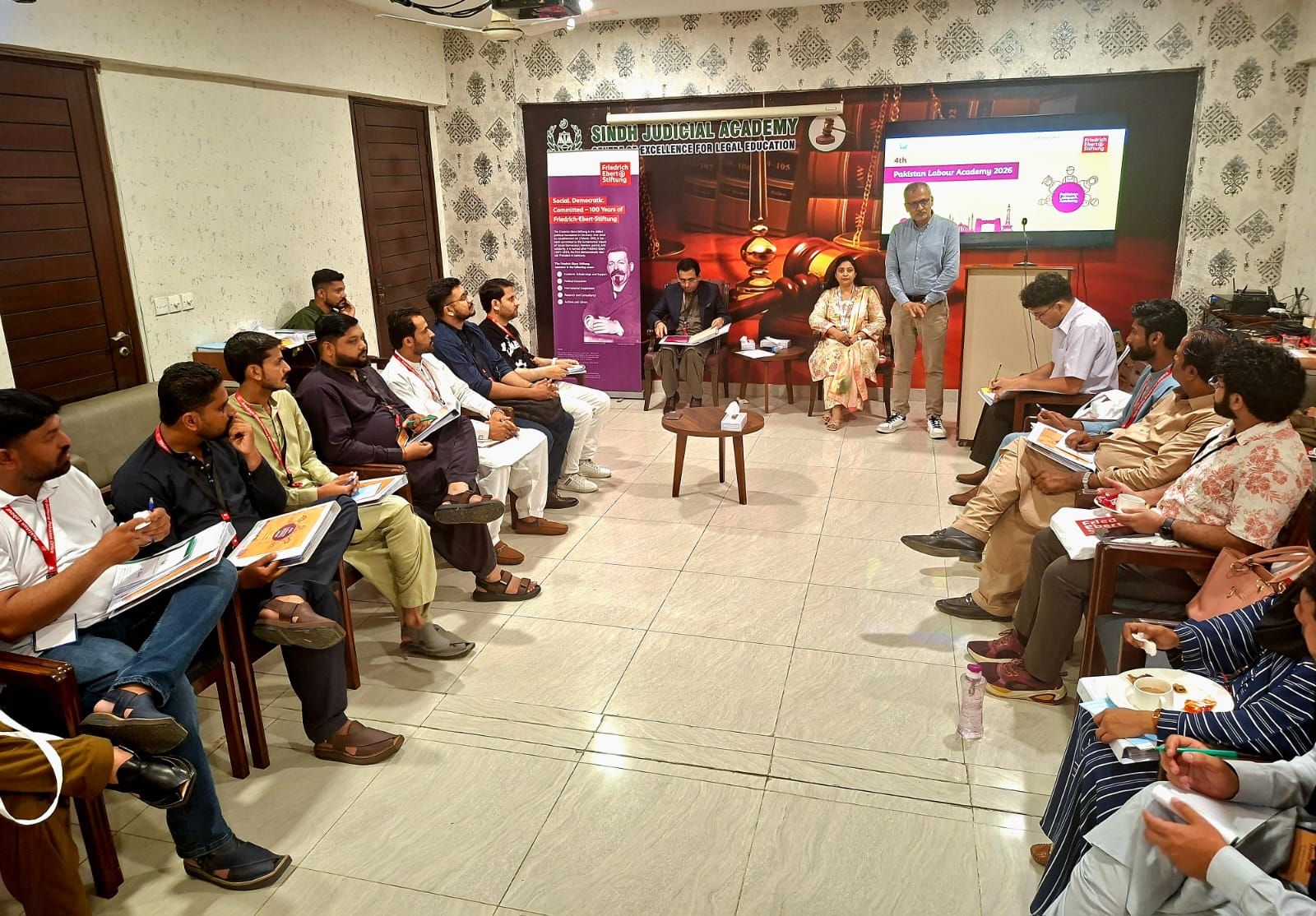
Zulfiqar Shah delivered the session Occupational Safety and Health Compliance – An Update from Pakistan Accord at the 4th Pakistan Labour Academy, organised by Friedrich-Ebert Stiftung (FES) Pakistan in Karachi. Over 25 trade union representatives from across Pakistan attended the academy.
During his presentation, Shah provided an overview of the Pakistan Accord, highlighting the progress made in improving fire and building safety standards across Pakistan’s textile and garment factories that supply more than 140 global brands and retailers. He emphasised the Pakistan Accord’s significance as a legally binding agreement between trade unions and brands aimed at ensuring worker health and safety in Pakistan’s textile and garment industry.
EU-Pakistan Business Forum
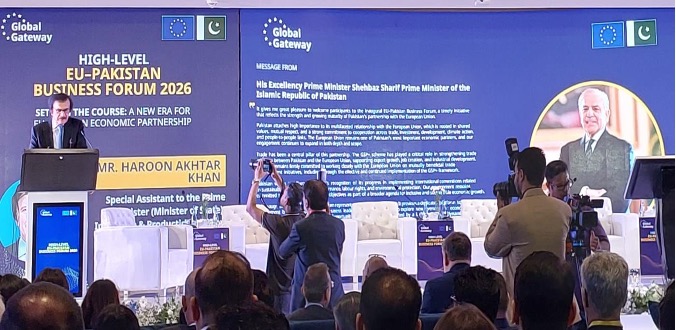
Zulfiqar Shah, participated in the 2026 EU-Pakistan Business Forum in Islamabad. The forum brought together representatives of European businesses operating in Pakistan, business leaders from Europe, government officials, diplomats, and industry experts to strengthen economic cooperation and explore new avenues for growth across industries including the textile and garment sector.
The Forum concluded with discussions over two days around strengthening partnership for business growth and sustainable economic development.
Operations
The Pakistan Accord continues to build and train local teams in Karachi and Lahore to ensure effective program implementation.
We are seeking a new, Karachi-based, Remediation Department Manager to ensure effective communication and coordination between Pakistan Accord signatories, covered suppliers, and staff on the non-technical aspects of remediation monitoring and Corrective Action Plan (CAP) implementation.
View the Remediation Department Manager job vacancy
Resources
Stay in Touch
Related updates
On 23 October 2025, the Pakistan Accord hosted a Brand-Supplier Roundtable at the Avari Hotel in Lahore, bringing together over 50 brand representatives and 30 key suppliers.
This briefing provides updates on the number of signatory brands, factories and workers. Additionally, it includes guidance on the actions suppliers should take to address immediate safety findings.
Safe exits, unlocked gates, functioning alarms, effective fire separation, and strong emergency preparedness are essential for the health and safety of every worker, within and beyond the garment industry.
The International Accord is saddened by the earthquake in Bangladesh and concerned about the reported injuries and loss of life. Our thoughts are with all affected individuals and families.
The International Accord is pleased to announce that, from mid-November 2025, the Worker Complaints Mechanism in Bangladesh will be expanded to cover issues beyond Occupational Safety and Health (OSH).
On 23 October 2025, the Pakistan Accord hosted a Brand-Supplier Roundtable at the Avari Hotel in Lahore, bringing together over 50 brand representatives and 30 key suppliers.
Follow us on social media
13 Years after Rana Plaza: Continuing the Work for Worker Safety
Accord
Statement
Amsterdam, 24 April 2026:
Today marks 13 years since the Rana Plaza collapse in Dhaka, Bangladesh – a tragedy that claimed the lives of at least 1,138 people and left thousands injured. The Accord remembers those who lost their lives, those who were injured, and those still living with its aftermath.
Commemorating Rana Plaza goes beyond remembrance; it is a reminder of the need for sustained collective action and an ongoing commitment to worker health and safety in the textile and garment industry.Ensuring safe factories, with secure exits, clear evacuation routes, unlockable and certified fire doors, structurally sound buildings, functioning alarms, and effective emergency preparedness, remains as essential today as it was in the immediate aftermath of the Rana Plaza collapse in April 2013.
Incidents such as the tragic fires at a garment factory and chemical warehouse in Mirpur, which resulted in at least 16 fatalities due to locked exits, and in the Chittagong Export Processing Zone underscore that safety risks in the garment and textile industry remain a reality.
The Rana Plaza tragedy catalysed strong collective action to improve worker health and safety. For over a decade, the efforts of brands, trade unions, factories, and civil society partners under the Accord have contributed to safety improvements at more than 2,000 garment and textile factories in Bangladesh. At the same time, it must be noted that hundreds of factories have yet to fully remediate the identified safety hazards, resulting in ongoing safety risks.
To continue the safety improvements and ensure that all factories covered under the Accord in Bangladesh remediate all safety risks, brands and global unions, IndustriALL and UNI, are preparing for negotiations to renew the Bangladesh Safety Agreement beyond December 31, 2026.
The Accord, alongside its signatories, RMG Sustainability Council (RSC) colleagues and civil society partners, remains steadfast in its commitment to creating safe factories where no worker needs to fear fires, building collapses, or other preventable accidents.
END
For more information, contact:
- media@internationalaccord.org
- Mini Dixit (Communications Advisor): mini.dixit@internationalaccord.org
Related updates
On 23 October 2025, the Pakistan Accord hosted a Brand-Supplier Roundtable at the Avari Hotel in Lahore, bringing together over 50 brand representatives and 30 key suppliers.
This briefing provides updates on the number of signatory brands, factories and workers. Additionally, it includes guidance on the actions suppliers should take to address immediate safety findings.
Safe exits, unlocked gates, functioning alarms, effective fire separation, and strong emergency preparedness are essential for the health and safety of every worker, within and beyond the garment industry.
The International Accord is saddened by the earthquake in Bangladesh and concerned about the reported injuries and loss of life. Our thoughts are with all affected individuals and families.
The International Accord is pleased to announce that, from mid-November 2025, the Worker Complaints Mechanism in Bangladesh will be expanded to cover issues beyond Occupational Safety and Health (OSH).
On 23 October 2025, the Pakistan Accord hosted a Brand-Supplier Roundtable at the Avari Hotel in Lahore, bringing together over 50 brand representatives and 30 key suppliers.
Follow us on social media

Pakistan Accord: Supplier Briefing #9
Supplier Briefing #9
These briefings are designed for all factories and suppliers listed by Pakistan Accord signatory brands. They include updates on key developments under the Pakistan Accord, along with information on upcoming events, guidance materials, and resources for suppliers.
We encourage all suppliers and factories covered by the Pakistan Accord to read these briefings and to share suggestions on what they would like to see in them by contacting us via pakistan.factories@internationalaccord.org.
This briefing includes updates on:
- Pakistan Accord Renewal
- Coverage: Signatory Brands, Factories and Workers
- Program Rollout: Inspections & Remediation (Immediate findings, Technical Workshops), Workplace Programs (Safety Training and Complaints Mechanism), Government Capacity Building
- Events: Townhall Meetings, Visit of Sindh Minister Mr. Saeed Ghani
- Operations: Hiring Updates, Vacancies
Pakistan Accord Renewal
Global brand and trade union representatives have renewed the Pakistan Accord to continue the health and safety improvements at the sourcing facilities of signatory brands in Pakistan. The renewed agreement took effect on 1 January 2026.
Over 130 global brands and retailers have signed the renewed Pakistan Accord, reaffirming their commitment to factory improvements in collaboration with their sourcing partners. The agreement runs until 31 December 2026 and will automatically renew for a further three years, through 31 December 2029, to align with the timeline of the International Accord framework agreement. This means the Accord’s health and safety programs in Pakistan will run for another 4 years.
With the renewal in place, suppliers will continue advancing life-saving factory improvements, strengthening business opportunities, and reinforcing brands’ confidence in responsible sourcing from Pakistan. The Pakistan Accord team remains available to guide factories on Corrective Action Plans (CAPs), remediation measures, and the rollout of the Safety Training and Complaints Mechanism.
The Pakistan Accord first took effect in January 2023 as a legally binding agreement between global brands and trade unions, UNI and IndustriALL, to ensure worker health and safety within Pakistan’s textile and garment industry.
Coverage: Signatory Brands, Covered Factories and Workers
At the time of writing this briefing, over 130 brands sourcing from Pakistan have signed the renewed Pakistan Accord. Pakistan Accord signatories include the world’s largest clothing brands and retailers and are headquartered in 18 countries across the United States of America, Europe, Australia, Hong Kong, Turkey, and Japan.
Collectively, Pakistan Accord brands are sourcing from 474 factories employing over 550,000 workers. Moreover, the export value of these brands increased from USD $3.5 billion in 2024 to over USD $4.4 billion at the start of 2026.
View the latest list of Pakistan Accord signatories.
View the list of factories participating in the Pakistan Accord programs.
Program Rollout
Inspections and Remediation
To date, Pakistan Accord engineers have conducted 351 Initial Inspections, 95 Follow-Up Inspections, and 34 Special Inspections to identify fire, electrical, and structural safety risks across factories in Karachi, Lahore, and Faisalabad.
156 boilers across 92 factories have received at least one boiler safety inspection. Boiler safety inspections identify risks such as safety valves deterioration, absence of steam pressure limiters and leakages in tube welding joints.
Immediate Findings
Recent factory fires in Pakistan, including the Gul Plaza shopping complex fire in Karachi which claimed at least 67 lives, highlight the urgent and ongoing need for robust fire prevention, building integrity, and life safety measures to prevent the loss of life.
There are several immediate actions factories can take to significantly increase worker safety and to ensure rapid evacuation in the event of a fire:
Lockable Exits/Collapsible Gates: Remove all locks and mechanisms including bolts and hasps, from exit doors. If locks are necessary for security, use specialised door locking features that comply with NFPA 101.
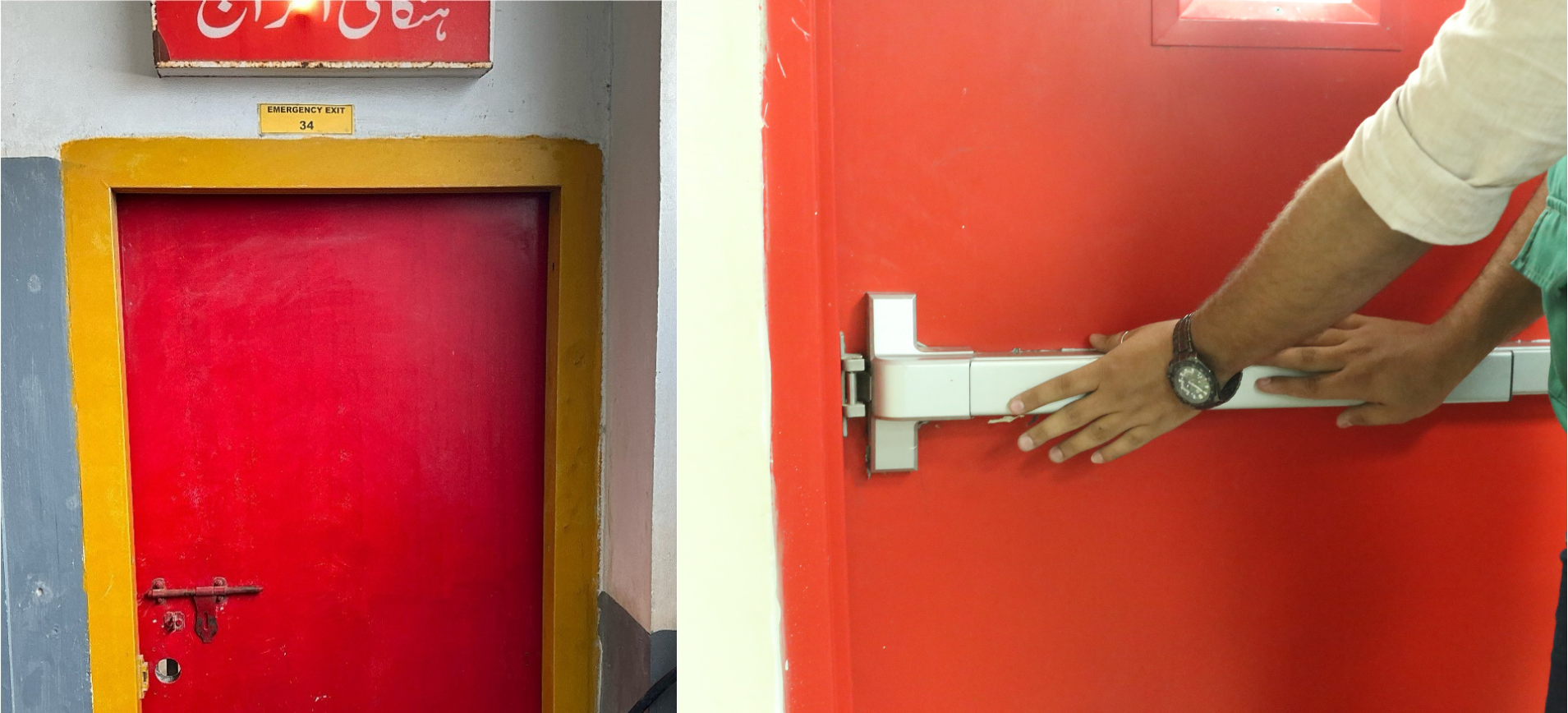
Left – Hazard: Locked fire exit; Right – Control: Unlocked, self-closing fire exit
Storage in Egress Paths, Exit Stairs & Dining Areas: Implement management systems to keep all egress routes, stairs, and dining areas clear of storage at all times. Stairs must always remain protected and unobstructed.
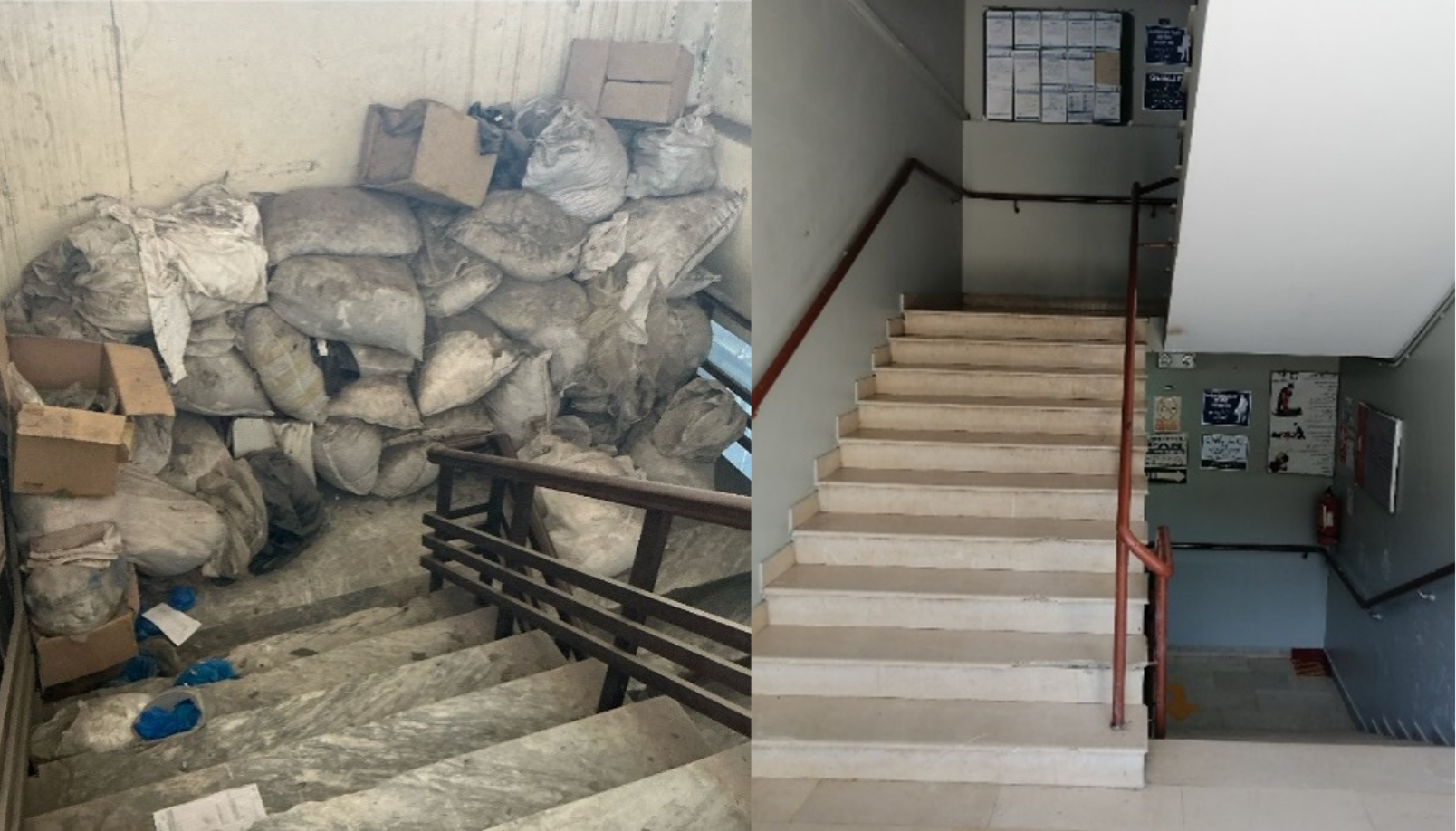
Left – Hazard: Blocked/narrowed evacuation route; Right – Control: Clear exit route
Stair & Occupant Load Signs: Provide stair designation signs and occupant load signs at the required locations. For stairs that do not lead outside the building, further modifications may be required to qualify as a means of egress. Guidance will be in your CAP or developed by your appointed engineering consultants.
Inadequate Exit Capacity: Specify stair locations, discharge floors, arrangements for discharge to an open environment, and openings on discharge floors (e.g. free from storage, production, etc.)
Cracked Columns: Have your consultant engineers, witnessed by Pakistan Accord engineers, take concrete core samples to assess any cracked structural columns.
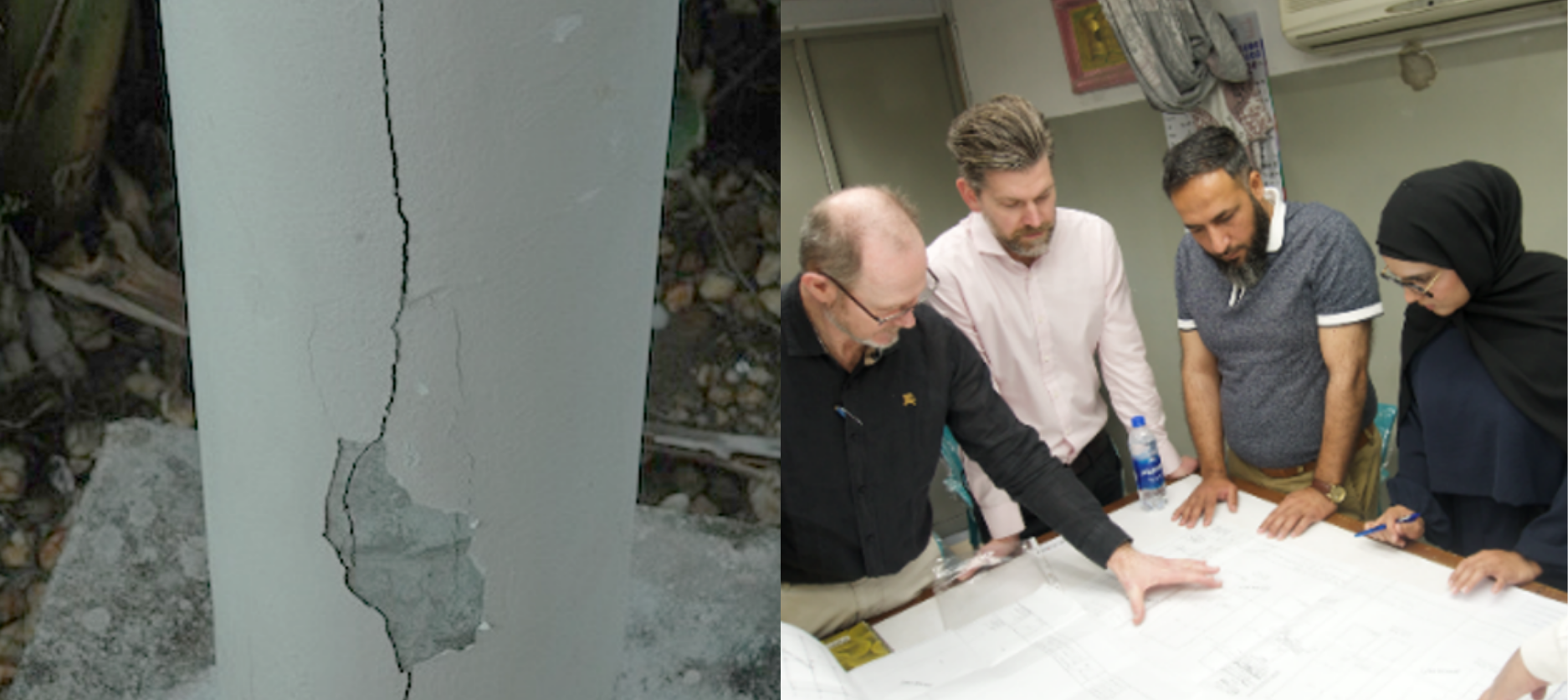
Left – Hazard: Crumbling columns/cracks; Right – Control: Building maintenance & structural safety assessment
Hot Spots: Inspect electrical load conditions, panel locations, and probable causes of high temperatures. If temperatures are excessive, circuit breakers must be immediately shut down.
Storage of Raw Materials and Finished Goods: Keep all materials away from work areas and heat sources. All items must be kept clear of ignition sources, particularly electrical equipment or heat-producing machinery.
Fire detection systems have important life-saving value as they alert occupants to the presence of a fire and allow them to evacuate safety. Factories without adequate detection systems should post security or other personnel as a temporary “fire watch” to ensure early detection. This in turn will facilitate prompt evacuation of the building before a fire develops.
Sprinkler systems provide a significant life-saving measure and are essential in multiple scenarios depending on the height of the building or in large open production floors with extended travel distances. Consult your CAP or the Pakistan Accord team for further guidance.
Both fire detection and sprinkler systems, including fire pumps, water reservoirs, and standpipe systems, are complex installations requiring detailed technical design, engineering calculations, professional expertise and investments. Factories should discuss these systems with their engineering consultants as soon as possible.
Technical Workshops
In January-February 2026, the Pakistan Accord conducted a series of eight technical workshops reaching over 120 suppliers and 600 participants in Karachi and Lahore.
These workshops focused on:
- Developing practical skills for identifying fire, electrical, and structural safety risks
- Exchanging effective approaches to remediation planning, prioritisation, and implementation
- Sharing technical insights and best practices to improve factory safety
- Strengthening collaboration between suppliers, factory management teams, and the Pakistan Accord
- Deepening understanding of the Pakistan Accord Building Standard and its application
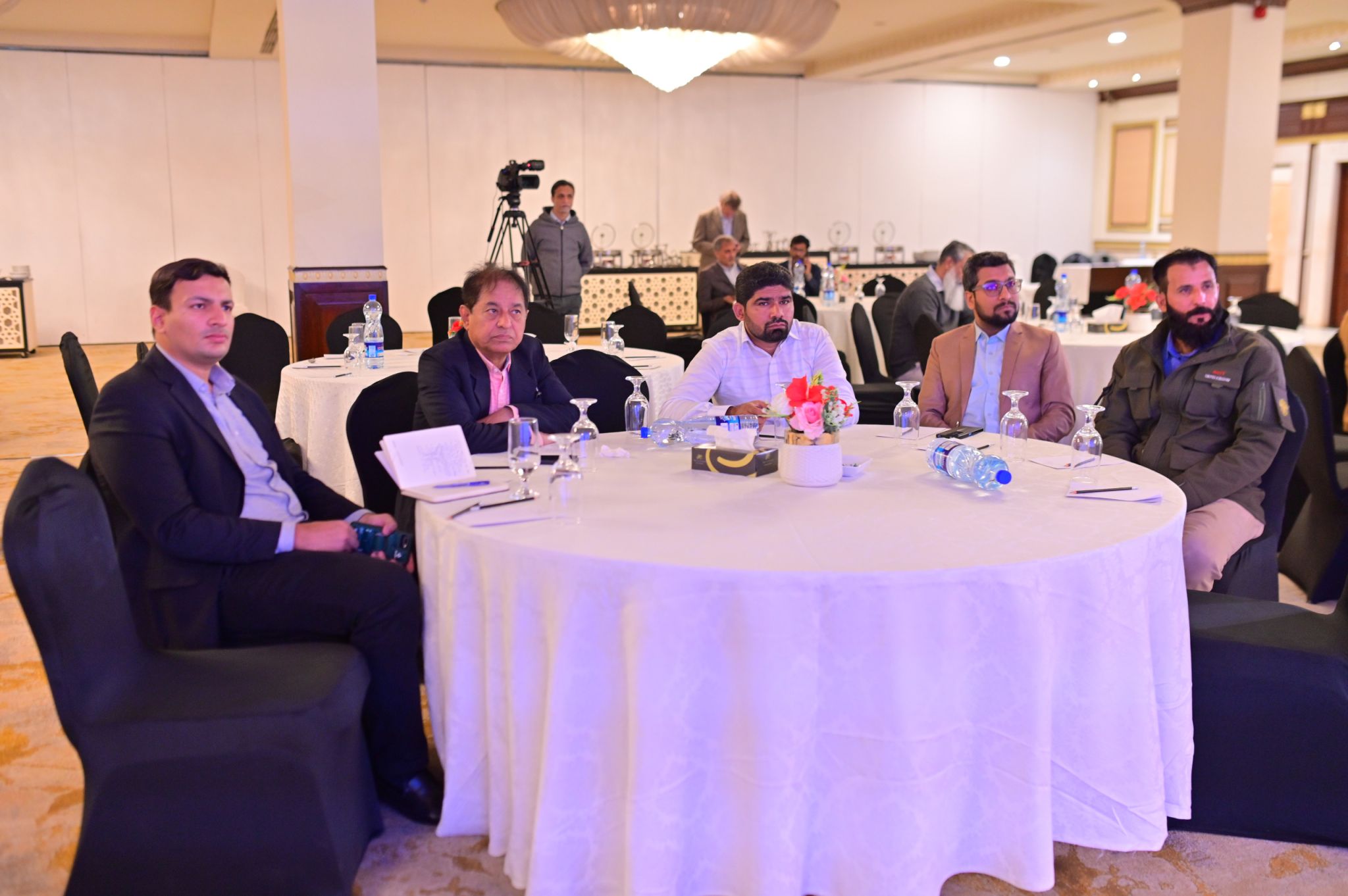
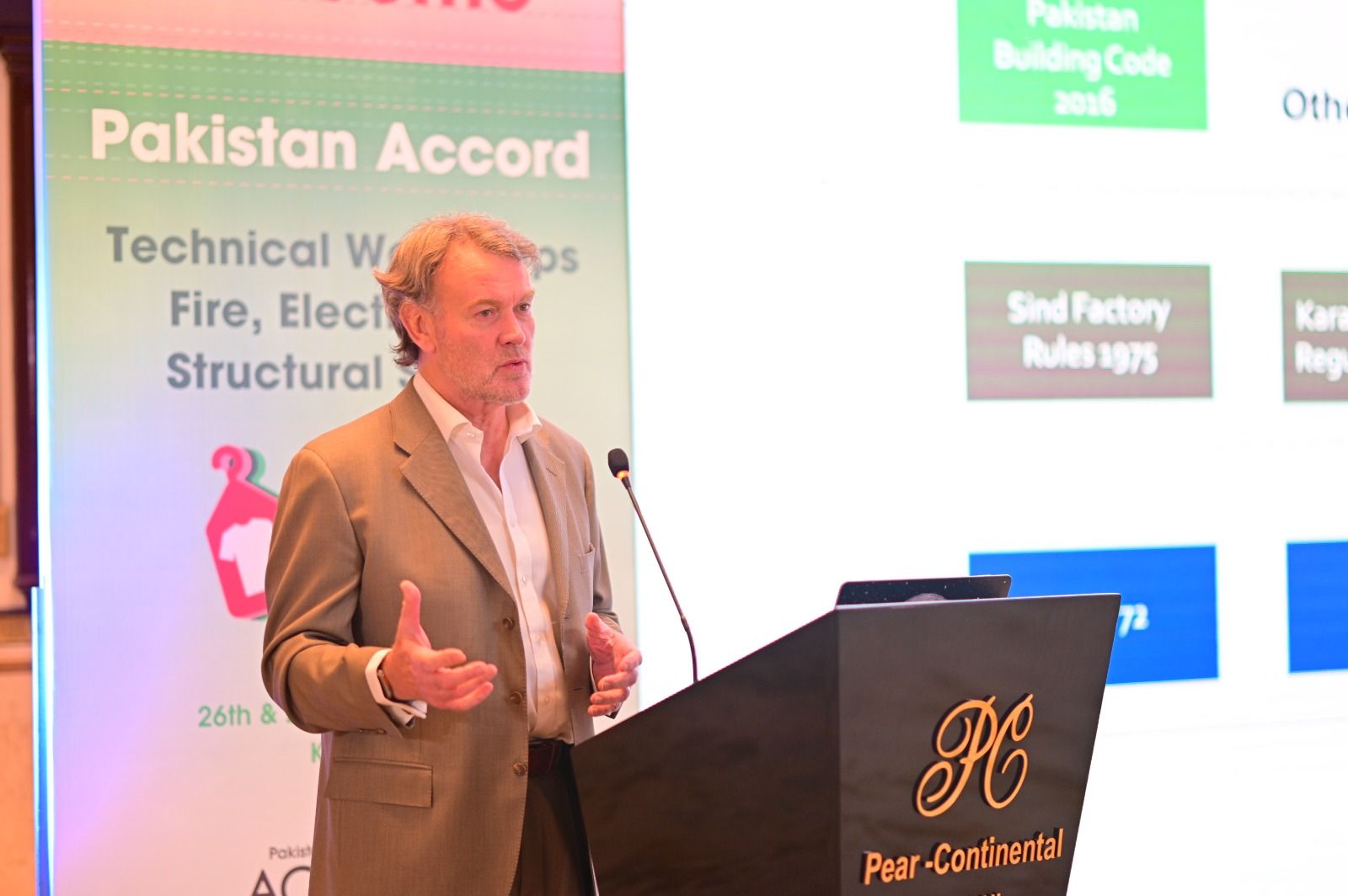
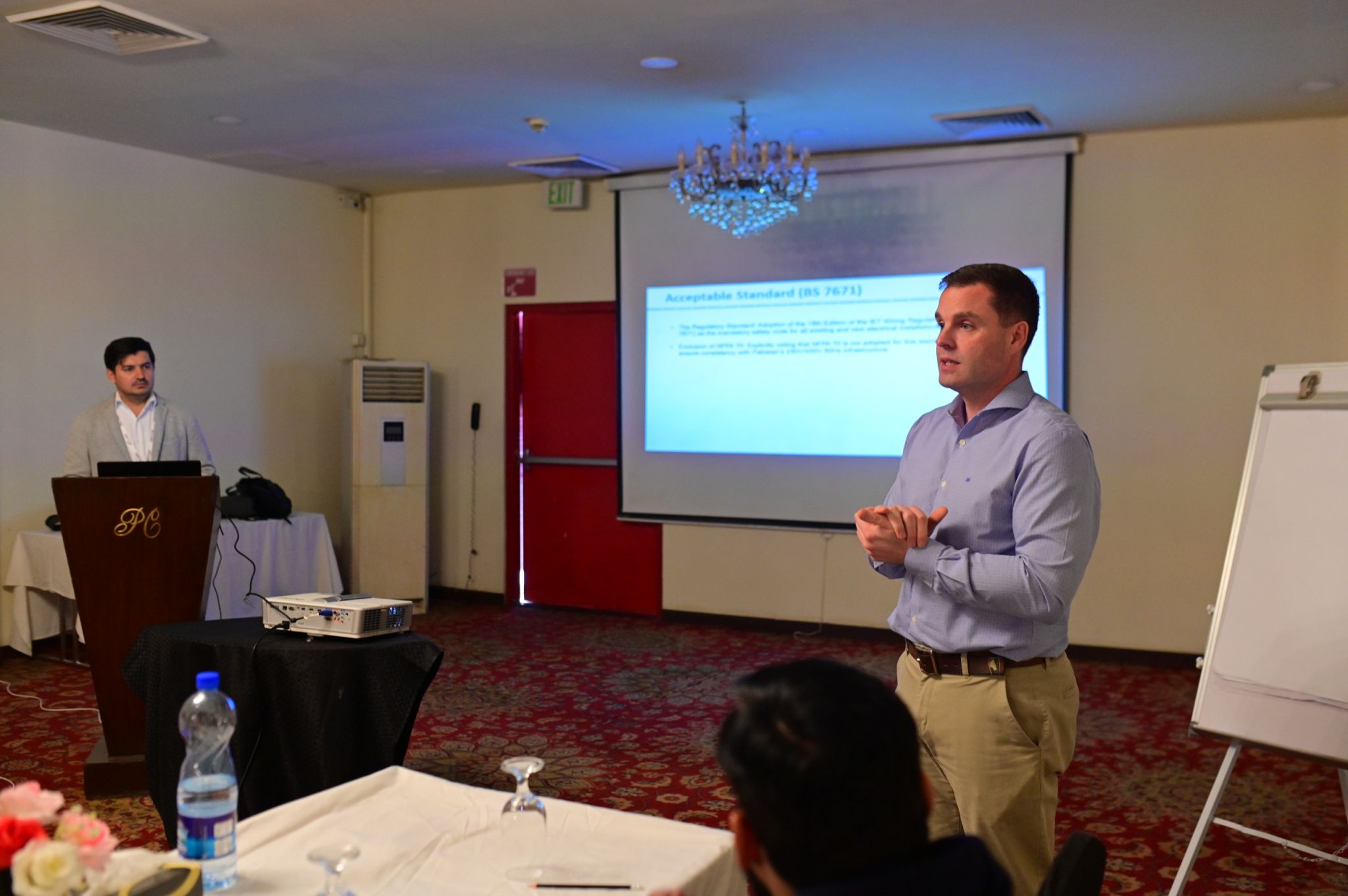
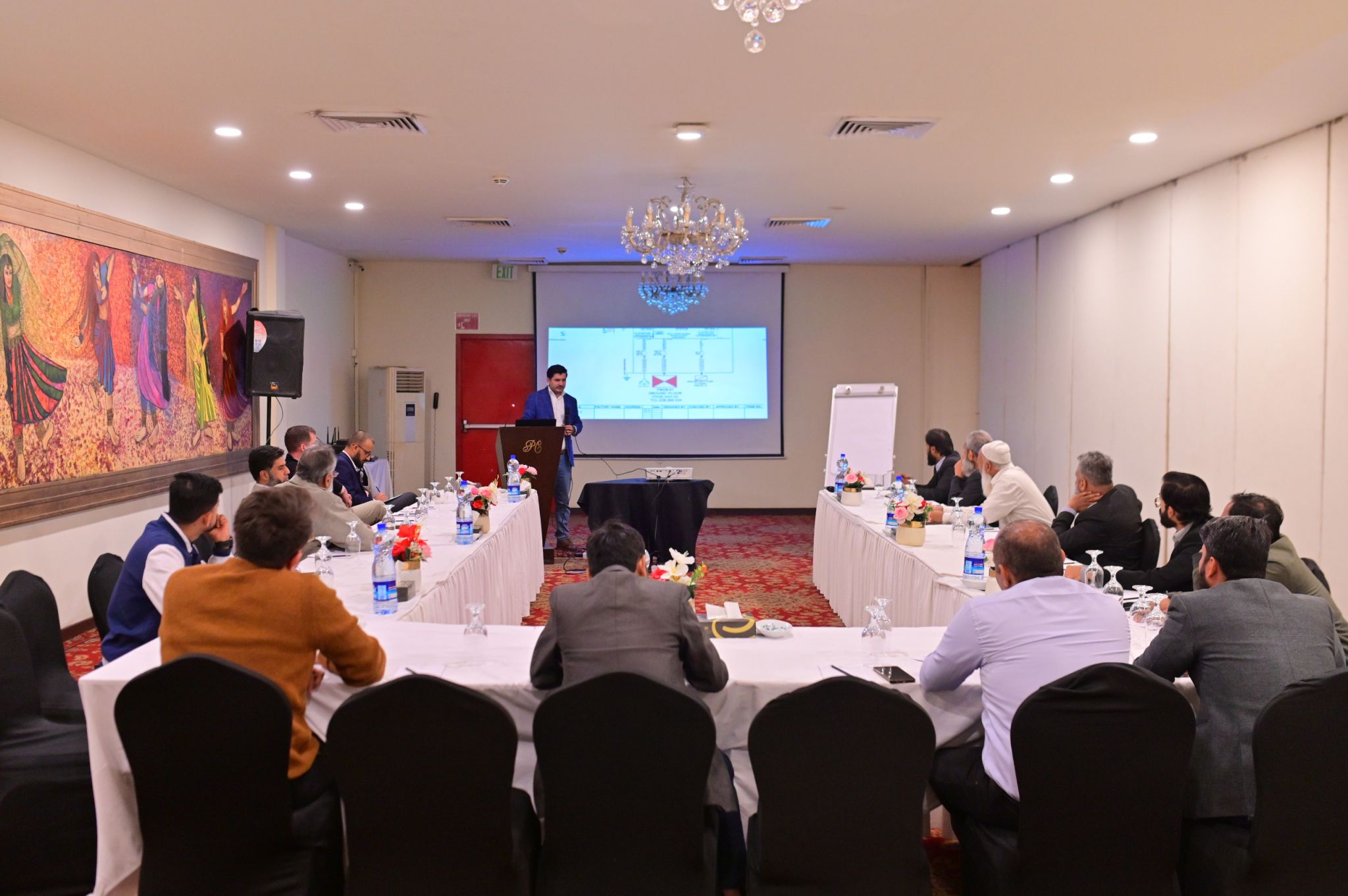
The workshops featured technical expertise, with introductory sessions by Paul Rigby, Chief Safety Officer (Pakistan Accord), Robert Parkinson and Luke Cameron (Joule Group), Tim White (Herongate Consulting), and Colm Quinn, Head of Operations (International Accord). Pakistan Accord Engineering Leads Majid Khan Jadoon and Talha Akram Khan also shared valuable factory-level technical insights during the workshops.
The opening session welcomed industry support, with Aamir Chottani, Chairman of PRGMEA (South) and CEO of CHOTTANI INDUSTRIES, delivering opening remarks that reaffirmed the industry’s commitment to safe working conditions and welcomed the Pakistan Accord’s extension. Umair Memon, Director of Kings Apparel Industries, emphasised the workshops’ critical role in explaining the Pakistan Accord Building Standard and discussing effective remediation measures.
We thank all participants, speakers, and technical teams for their valuable contributions.
Workplace Programs
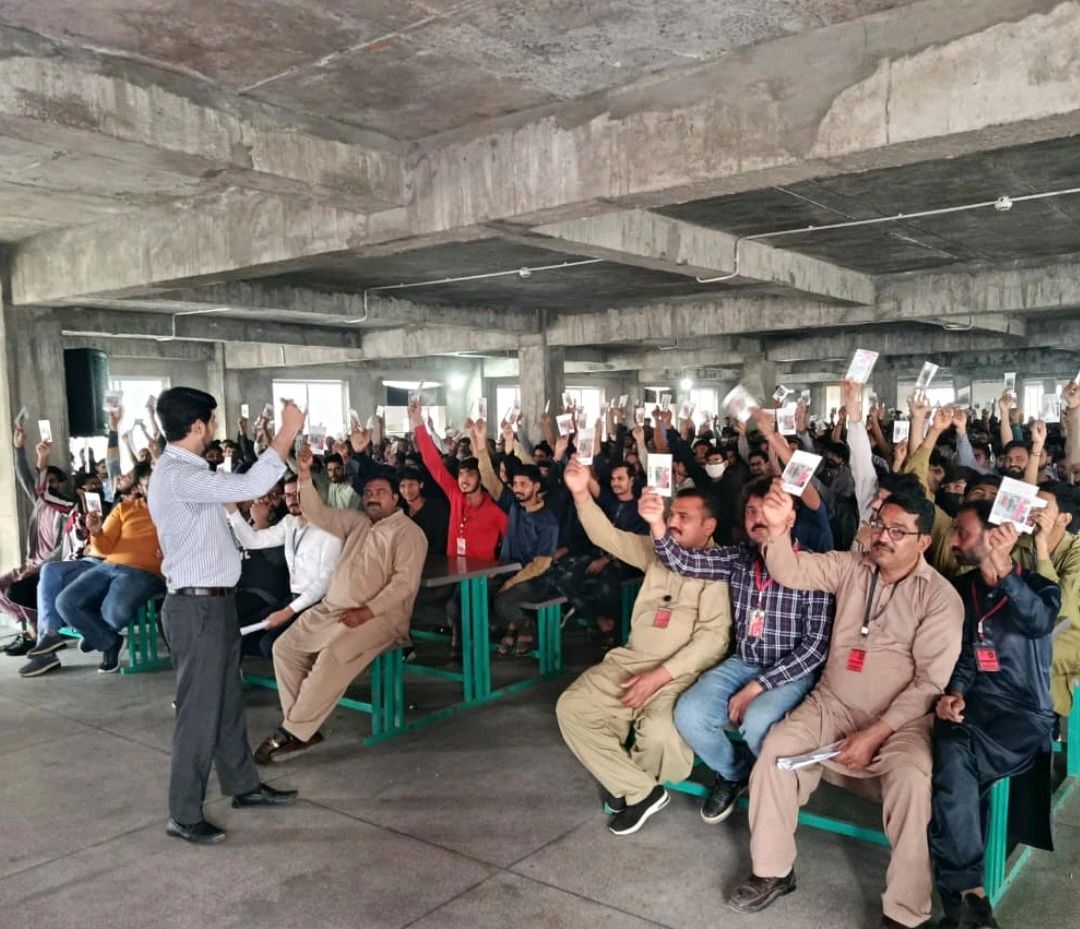
The Pakistan Accord is making continued progress in implementing its Workplace Programs across factories. To date, 301 initial meetings have been conducted, and All-Employee Meetings have taken place at 167 factories, totaling 715 sessions, with 173,236 booklets on workplace health an safety distributed to worker participants.
In addition, 85 Safety Committee meetings have been held with 1,096 participants; these joint labour-management committees support workplace health and safety at covered factories.
The Complaints Mechanism has received 328 complaints. The most common complaints relate to forced overtime, inadequate quality or quantity of food, verbal abuse, overtime without payment, workplace injuries or deaths, and heat stress. 50 complaints have been resolved via the Pakistan Accord’s independent Complaints Mechanism.
Government Capacity Building
Building Safety Training for Labour Department, Punjab
From 12-13 February, the Pakistan Accord organised a fire & building safety training for 31 officials from the Labour Department of the Punjab province, with notable participation from Syeda Kulsume Hai, Director General, Labour Welfare, Punjab. The workshop contributed to our government capacity building efforts and focused on:
- Fire safety measures such as means of egress, fire suppression systems, fire safety drawings;
- Structural safety measures such as structural documentation, structural and as-built drawings, Detailed Engineering Assessments (DEA); and
- Electrical safety measures such as electrical safety systems, hot spots, Single Line Diagrams (SLDs), Fire Alarm & Detection systems (FADS).
The workshops fostered engagement and knowledge sharing between relevant government departments. Participants took keen interest shared their experiences for building inspections and identified risks. We look forward to organising similar trainings to contribute to life-saving building improvements in Pakistan.
Events
Townhall Meetings
From 13-19 January, the Pakistan Accord organised a series of townhall meetings for covered suppliers, sourcing agencies, and Accord brand representatives across Lahore, Karachi, and Faisalabad.
With over 400 participants in attendance, the meetings focused on sharing updates on the Pakistan Accord and its renewal, progress on the inspections and remediation, as well as updates on the safety training and Complaints Mechanism.
The sessions also included discussions and participation on key Accord topics such as financing remediation, building safety measures, and technical guidance.
Visit of Sindh Minister Mr. Saeed Ghani
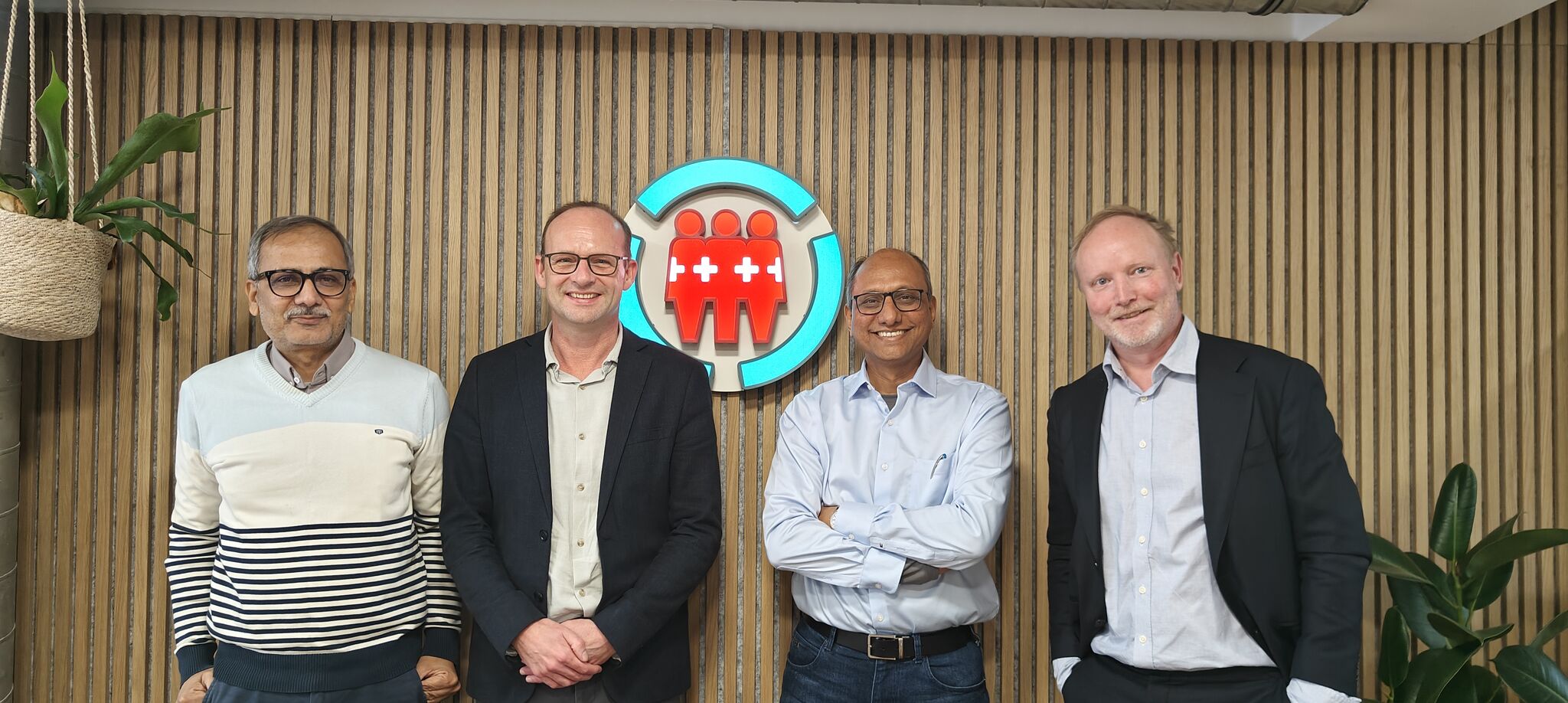
In February, the International Accord welcomed Sindh’s Minister for Labour, Human Resources, and Social Protection, Mr. Saeed Ghani, to our Secretariat in Amsterdam.
Minister Ghani was in Europe to participate in the OECD – OCDE Forum on Due Diligence in the Garment and Footwear Sector in Paris. At the forum, he presented Sindh’s legislative framework for home-based workers. He also met with International Accord Steering Committee members Michael Bride (PVH Corp.), as well as Atle Høie, and Christina Hajagos-Clausen (IndustriALL Global Union).
The discussions with Minister Ghani focused on the recently renewed Pakistan Accord and its role in advancing workplace safety across Pakistan’s textile and garment sector. Minister Ghani reaffirmed the Sindh Government’s commitment to strengthening labour standards and inspection systems, recognising these as critical steps toward safer workplaces across the province.
Operations
The Pakistan Accord continues to build and train local teams in Karachi and Lahore to ensure effective program implementation.
We are seeking a new, Karachi-based, Remediation Department Manager to ensure effective communication and coordination between Pakistan Accord signatories, covered suppliers, and staff on the non-technical aspects of remediation monitoring and Corrective Action Plan (CAP) implementation.
View the Remediation Department Manager job vacancy
Resources
Stay in Touch
Related updates
On 23 October 2025, the Pakistan Accord hosted a Brand-Supplier Roundtable at the Avari Hotel in Lahore, bringing together over 50 brand representatives and 30 key suppliers.
This briefing provides updates on the number of signatory brands, factories and workers. Additionally, it includes guidance on the actions suppliers should take to address immediate safety findings.
Safe exits, unlocked gates, functioning alarms, effective fire separation, and strong emergency preparedness are essential for the health and safety of every worker, within and beyond the garment industry.
The International Accord is saddened by the earthquake in Bangladesh and concerned about the reported injuries and loss of life. Our thoughts are with all affected individuals and families.
The International Accord is pleased to announce that, from mid-November 2025, the Worker Complaints Mechanism in Bangladesh will be expanded to cover issues beyond Occupational Safety and Health (OSH).
On 23 October 2025, the Pakistan Accord hosted a Brand-Supplier Roundtable at the Avari Hotel in Lahore, bringing together over 50 brand representatives and 30 key suppliers.
Follow us on social media
Brands and Trade Unions Extend Pakistan Accord for Continued Worker Safety Improvements
Accord
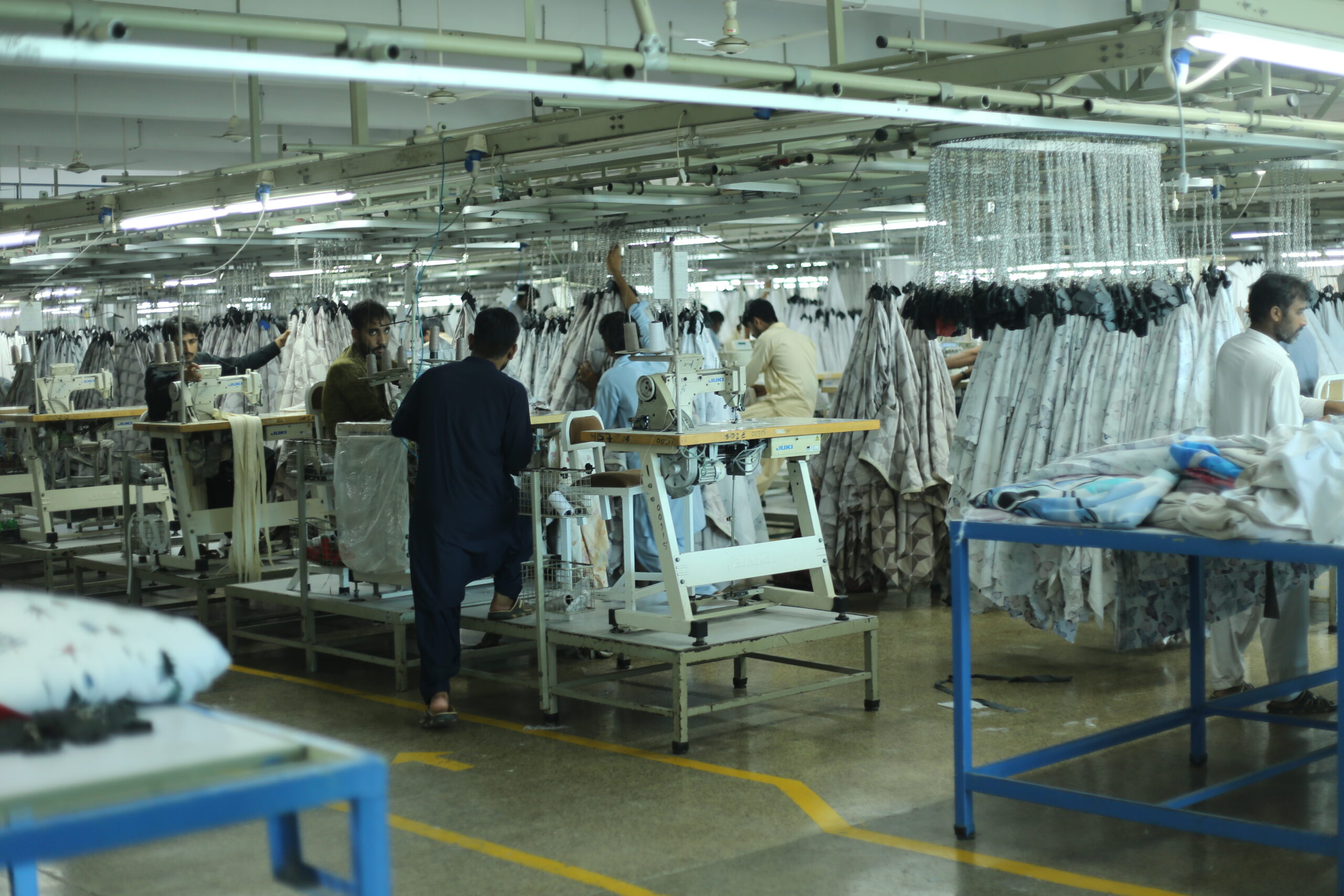
A negotiation team comprising brand and trade union representatives have reached an agreement to renew the Pakistan Accord.
The parties have agreed to re-sign the Pakistan Accord in its current form, reaffirming their shared commitment to supporting worker health and safety across the supply chains of signatory brands in Pakistan.
The renewed Pakistan Accord took effect on 1 January 2026. More than 100 global brands and retailers have re-signed, with additional brands completing internal approvals. The agreement has been extended until 31 December 2026 and shall be renewed automatically for a succeeding term of three years, until 31 December 2029, to align with the International Accord framework agreement.
The renewal reflects ongoing confidence in the Pakistan Accord’s approach to improving factory safety through independent inspections, remediation measures, safety training, and the worker Complaints Mechanism. These measures play a crucial role in identifying risks, preventing workplace accidents, and ensuring workers’ health and safety across Pakistan’s textile and garment industry.
With the extension in place, Pakistan Accord programs at sourcing suppliers for signatory brands will continue, supporting factories in achieving tangible safety improvements, expanding business opportunities, and giving brands confidence in sourcing responsibly from Pakistan.
We look forward to continuing to work alongside signatories, suppliers, and local government stakeholders to promote a safer and more sustainable textile and garment industry in Pakistan.
Resources
For more information, contact:
Related updates
On 23 October 2025, the Pakistan Accord hosted a Brand-Supplier Roundtable at the Avari Hotel in Lahore, bringing together over 50 brand representatives and 30 key suppliers.
This briefing provides updates on the number of signatory brands, factories and workers. Additionally, it includes guidance on the actions suppliers should take to address immediate safety findings.
Safe exits, unlocked gates, functioning alarms, effective fire separation, and strong emergency preparedness are essential for the health and safety of every worker, within and beyond the garment industry.
The International Accord is saddened by the earthquake in Bangladesh and concerned about the reported injuries and loss of life. Our thoughts are with all affected individuals and families.
The International Accord is pleased to announce that, from mid-November 2025, the Worker Complaints Mechanism in Bangladesh will be expanded to cover issues beyond Occupational Safety and Health (OSH).
On 23 October 2025, the Pakistan Accord hosted a Brand-Supplier Roundtable at the Avari Hotel in Lahore, bringing together over 50 brand representatives and 30 key suppliers.
Follow us on social media