Accord Pilot Assesses Heat Stress Risks at Garment Factories in Bangladesh and Pakistan
Accord
As climate-related risks continue to intensify, heat stress is emerging as a significant occupational safety and health (OSH) concern, with direct implications for workers’ health, safety, and wellbeing.
In this context, the International Accord, in collaboration with Royal Holloway University of London, the Global Labor Institute (Cornell University) and international engineering firm, ARUP, implemented a Heat Stress Pilot between September and October 2026. The pilot covered ten factories in Bangladesh and Pakistan, supplying over 50 Accord signatory brands.
The pilot builds on a decision taken by the International Accord Steering Committee in September 2025 to integrate the identification, mitigation and remediation of heat stress risks within the Accord’s inspections and workplace programs through the development of a dedicated heat stress protocol.
This decision responds to the urgency of heat stress as a risk to worker health and safety and to growing interest among Accord signatory brands in better understanding and addressing these risks at their sourcing facilities.
Heat stress falls within the Accord’s existing mandate on occupational health and safety, and related concerns are currently addressed through its Complaints Mechanism.
Workers in Bangladesh and Pakistan have consistently raised heat stress grievances, which rank among the most frequent complaints received through the mechanism. The systematic integration of heat stress is therefore a priority for the Accord and its signatories.
Purpose of the Pilot
The Heat Stress Pilot was conducted to:
- Better understand heat exposure risks in factories
- Generate objective, evidence-based data
- Identify factors that may contribute to heat-related risks
- Explore practical approaches for monitoring and mitigating heat stress
- Use findings to support the development of the Accord Heat Stress Protocol
The Pilot assessed heat stress risks through monitoring of indoor environmental parameters and worker core body temperatures, in combination with factory conditions and the intensity of workers’ roles. These findings will enable the Accord’s group of experts to refine existing modeling techniques correlating ambient temperatures and humidity, internal sources of radiant heat and core temperatures.
The objective is to develop a modeling technique to establish a scalable framework of targeted heat risk identification that can be implemented across Accord covered factories and according to the factories’ specificities.
Factory Selection
Factories for the Pilot were selected to capture a diverse range of operational and building characteristics that support a representative sample. These characteristics included:
- Factory size: Small and large facilities
- Production processes: Wet and dry production processes
- Age of buildings: Modern and older facilities
- Location of the building: more urban or less urban areas
Data Collection
Monitoring locations were selected to represent different factory processes and heat exposure conditions. The Pilot included two visits per factory:
First visit:
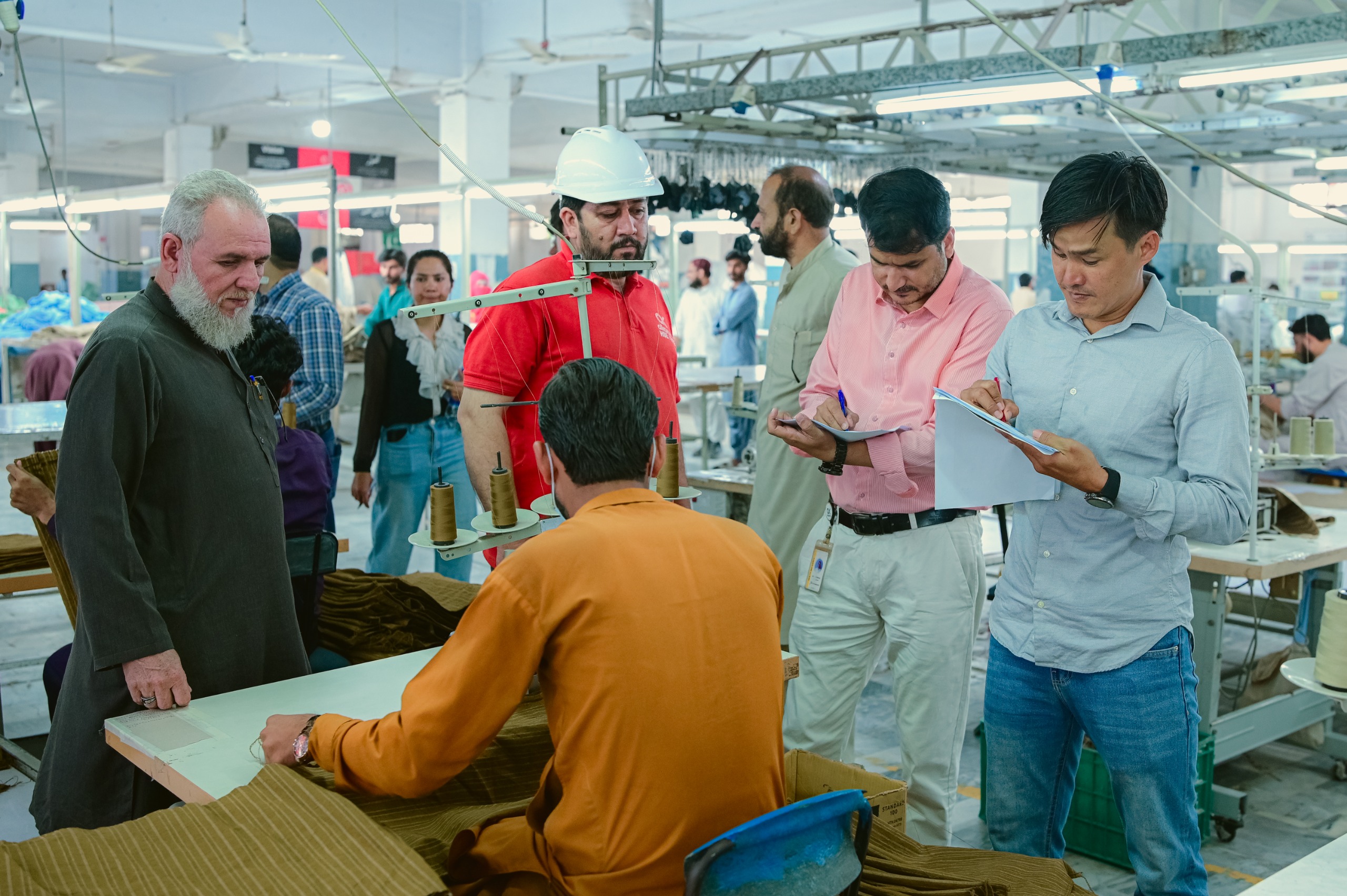
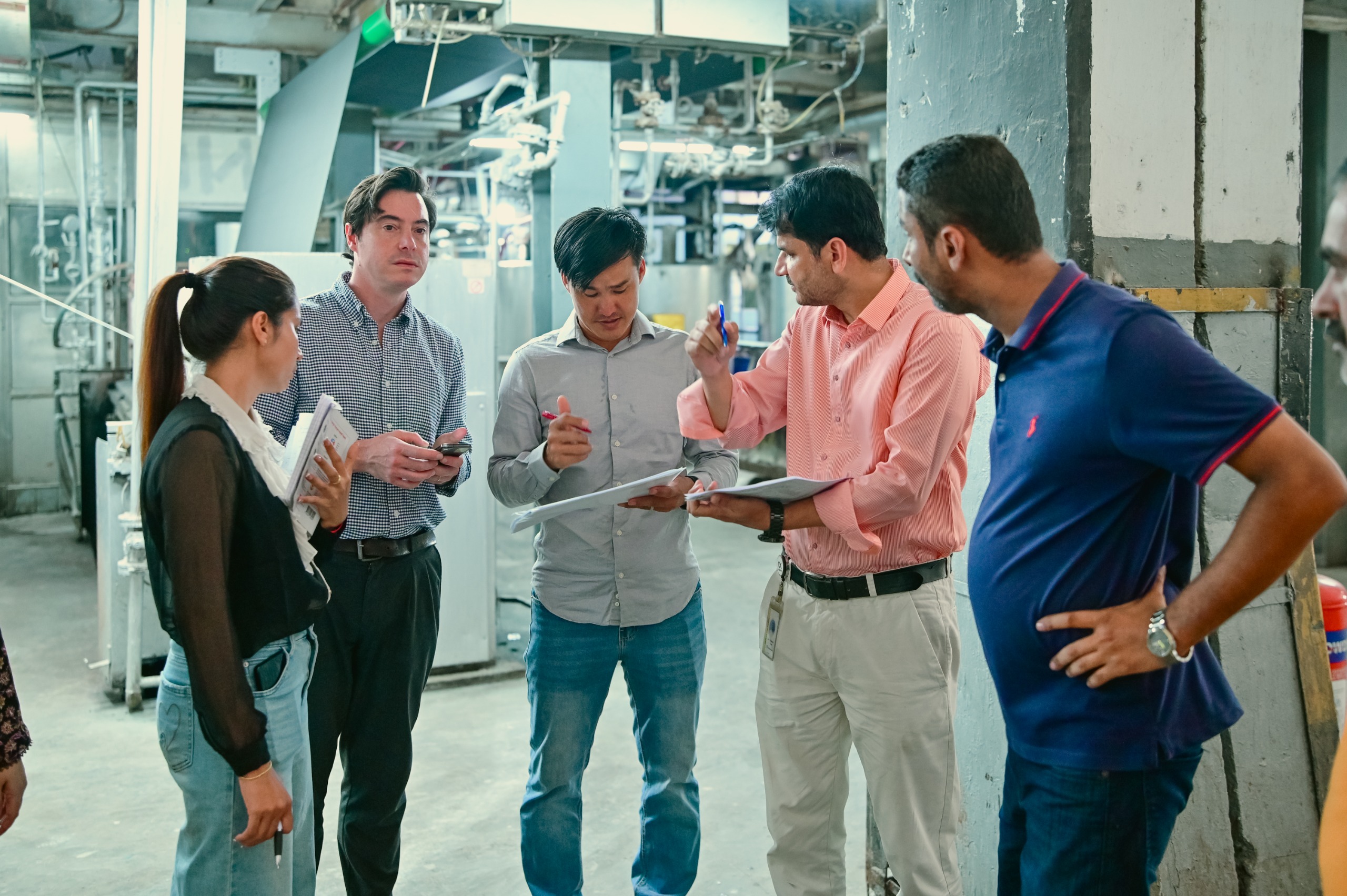
- Review of facility information and discussions with factory management to understand the buildings, production processes, heat sources, ventilation, cooling systems and existing heat stress controls.
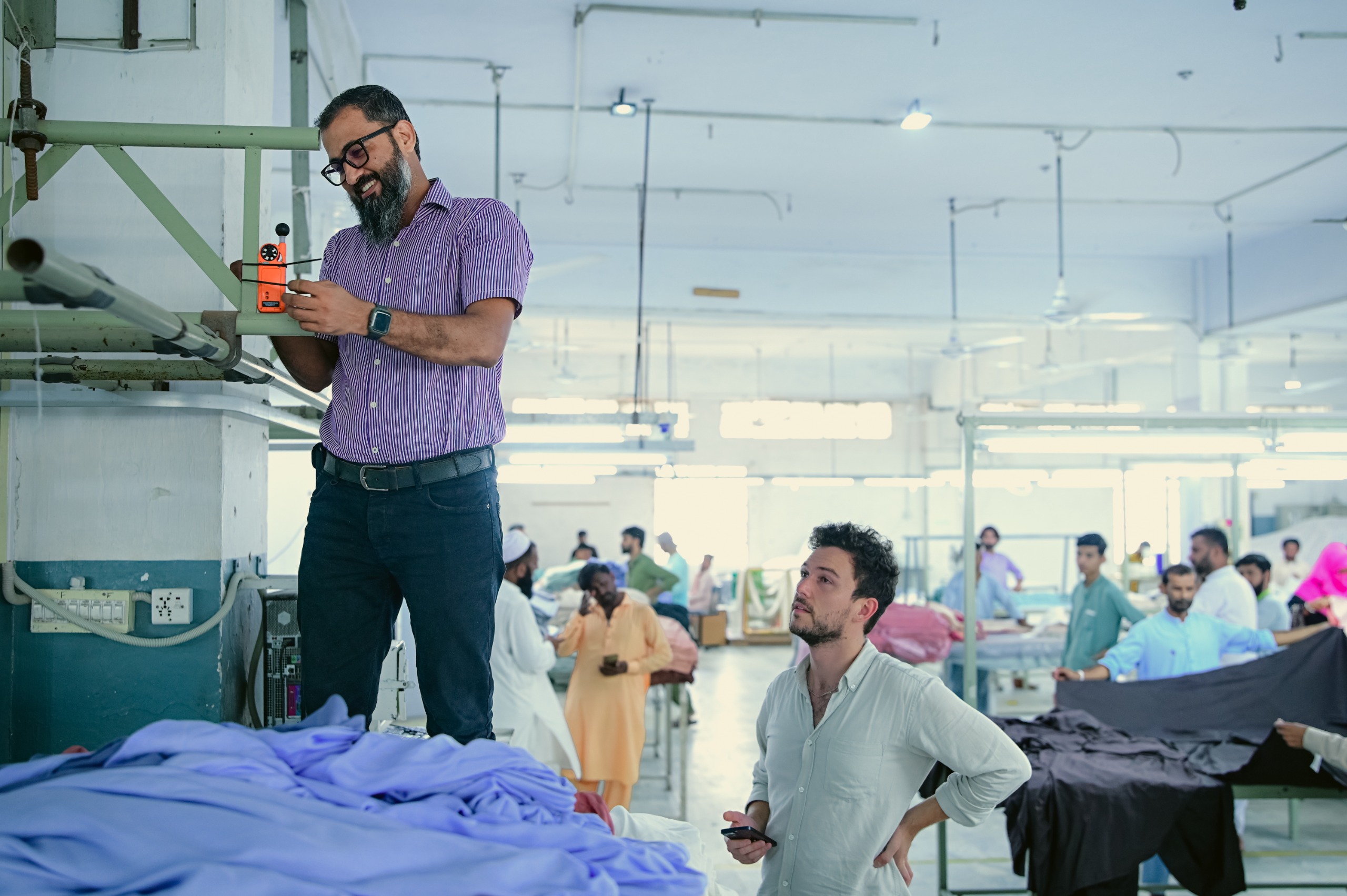
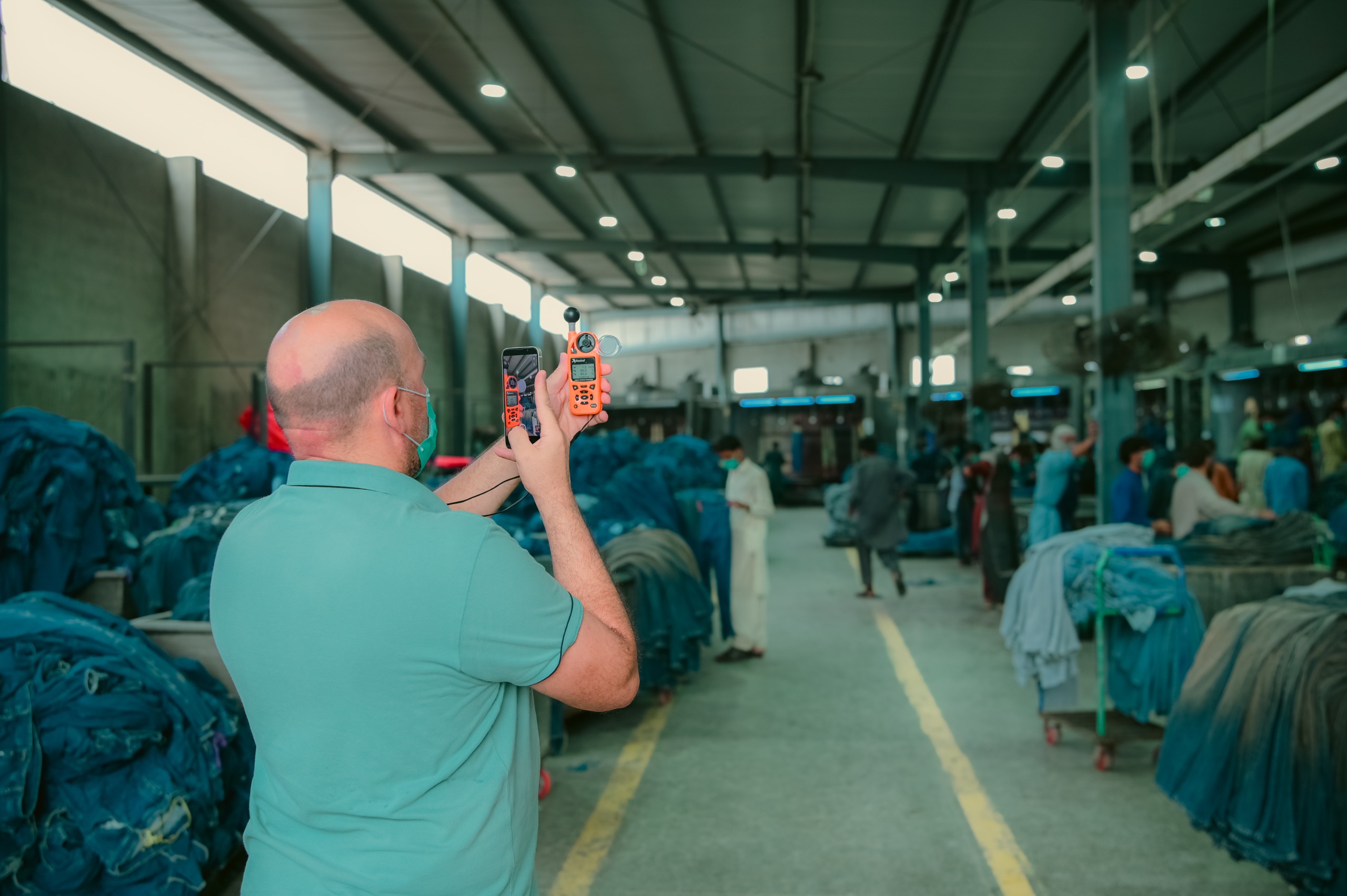
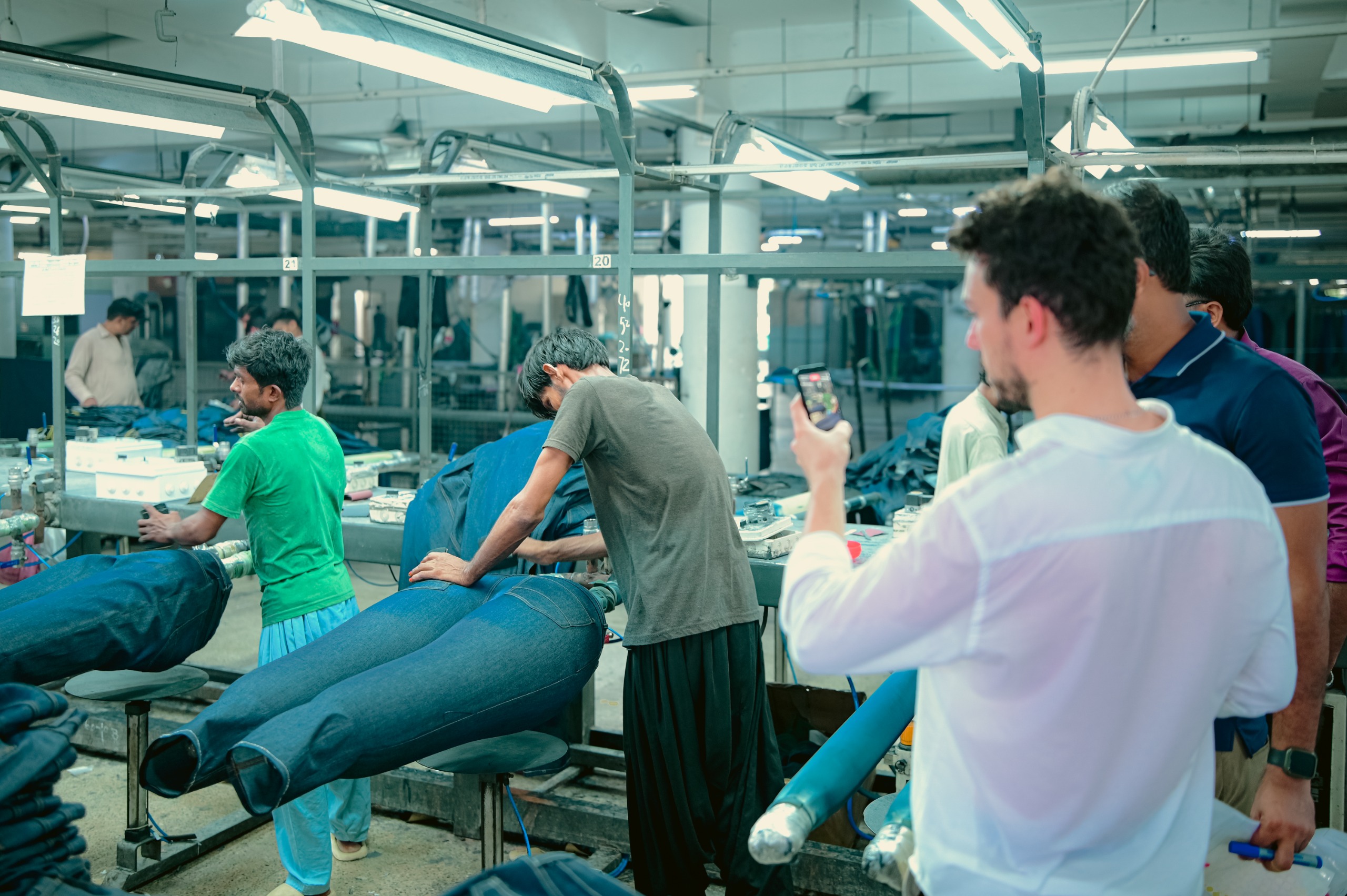
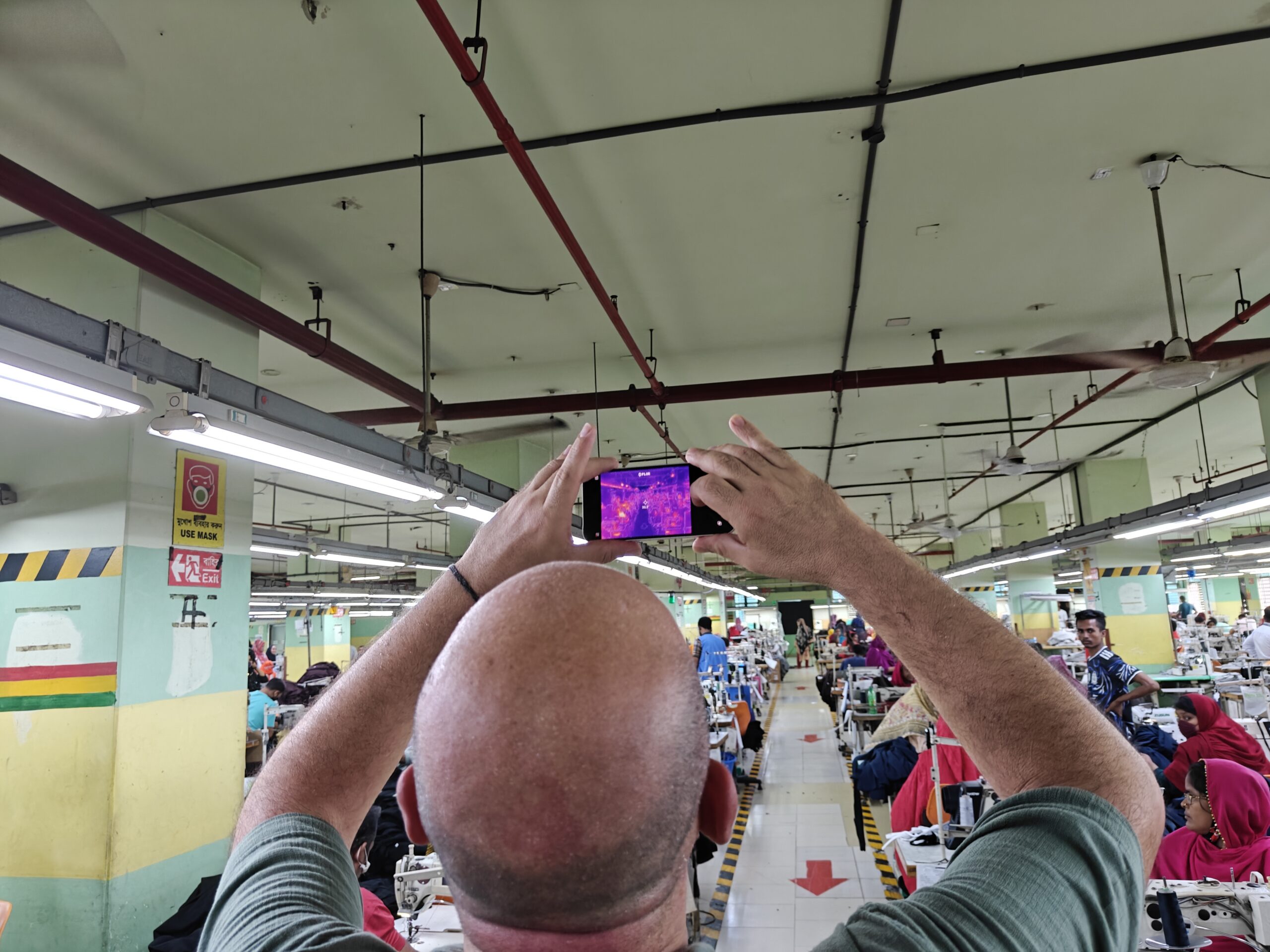
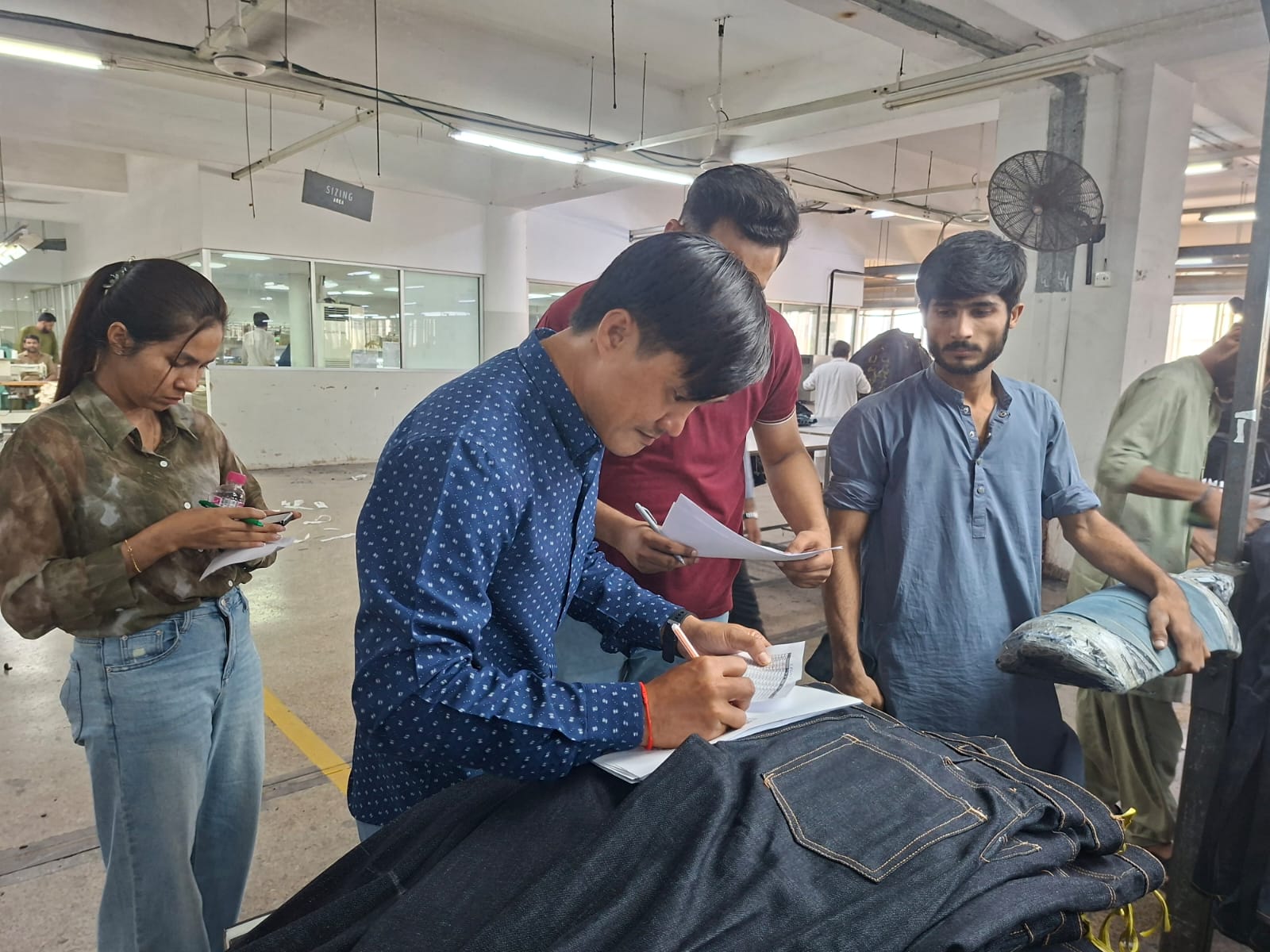
- A technical walk-through of selected production and welfare areas, including spot environmental measurements, thermal imaging and photographic documentation.
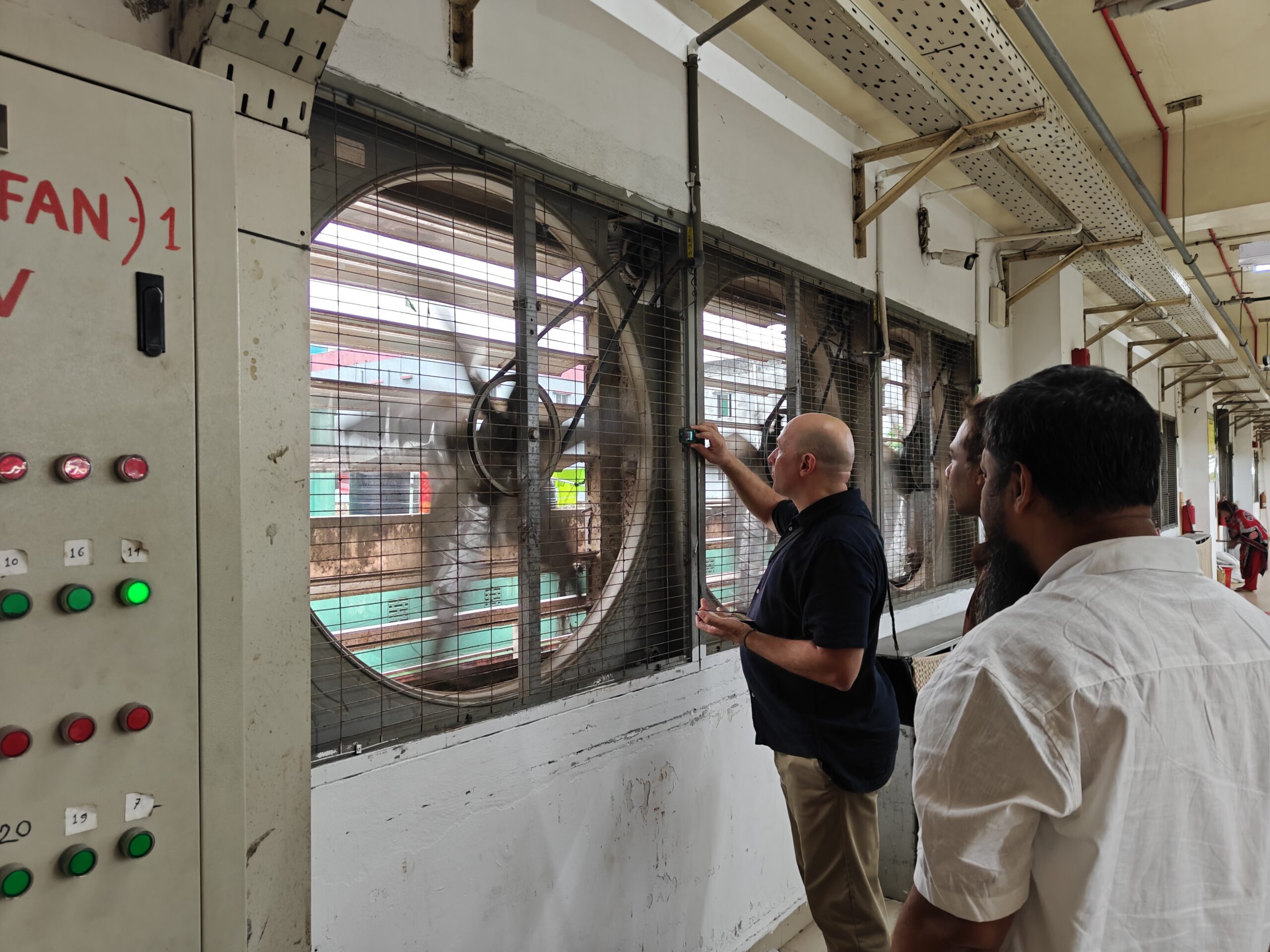
- Installation of 20 to 40 fixed environmental sensors at representative locations across each factory to continuously monitor temperature and relative humidity for approximately four weeks. In total, 184 sensors were installed across five factories in Bangladesh, and 149 across five factories in Pakistan.
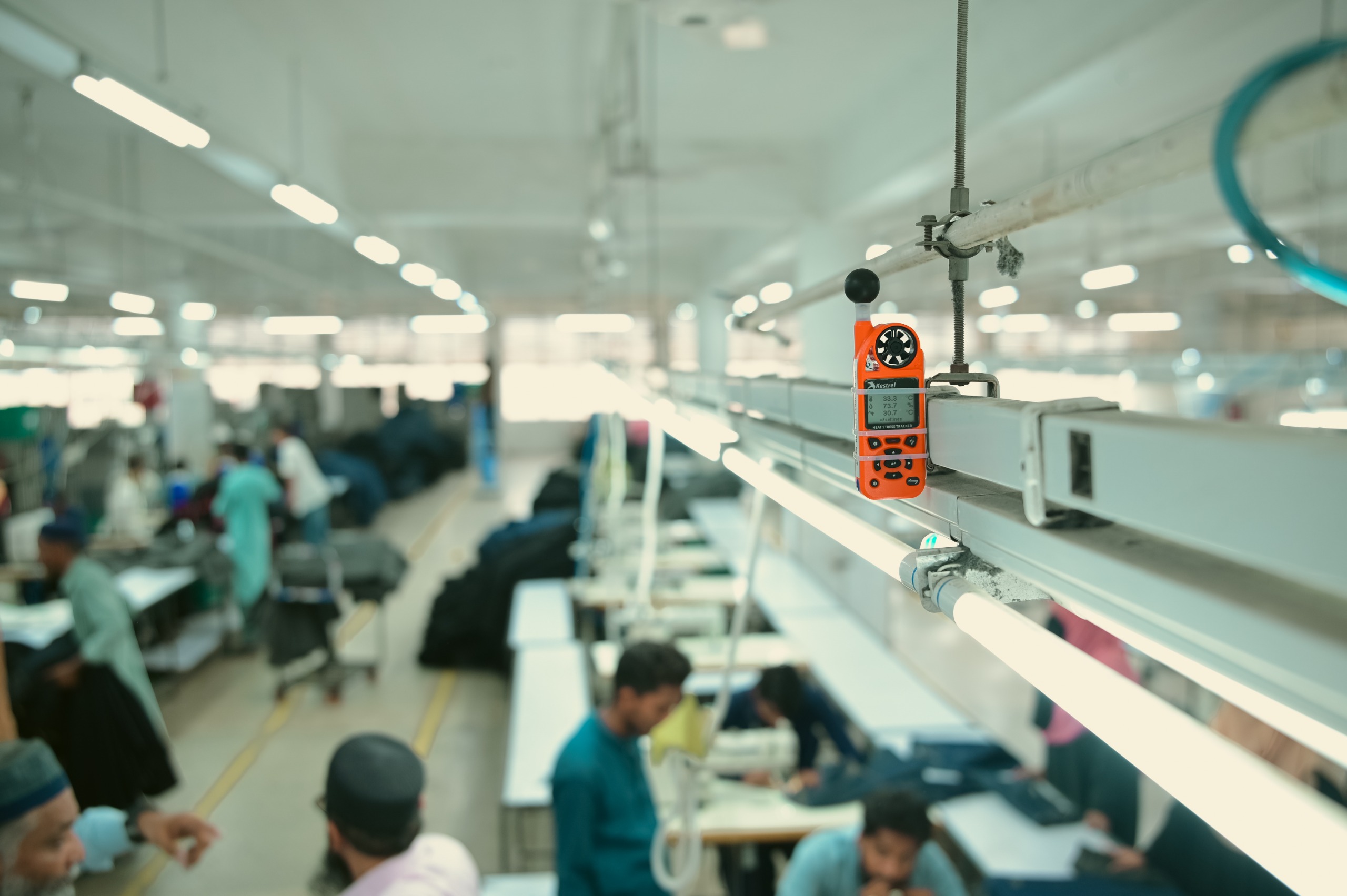
- Deployment of a portable Wet Bulb Globe Temperature (WBGT) monitoring device at each factory (10 WBGT sensors in total), periodically moved between representative locations to measure air temperature, relative humidity, air velocity and radiant temperature.
Second visit:
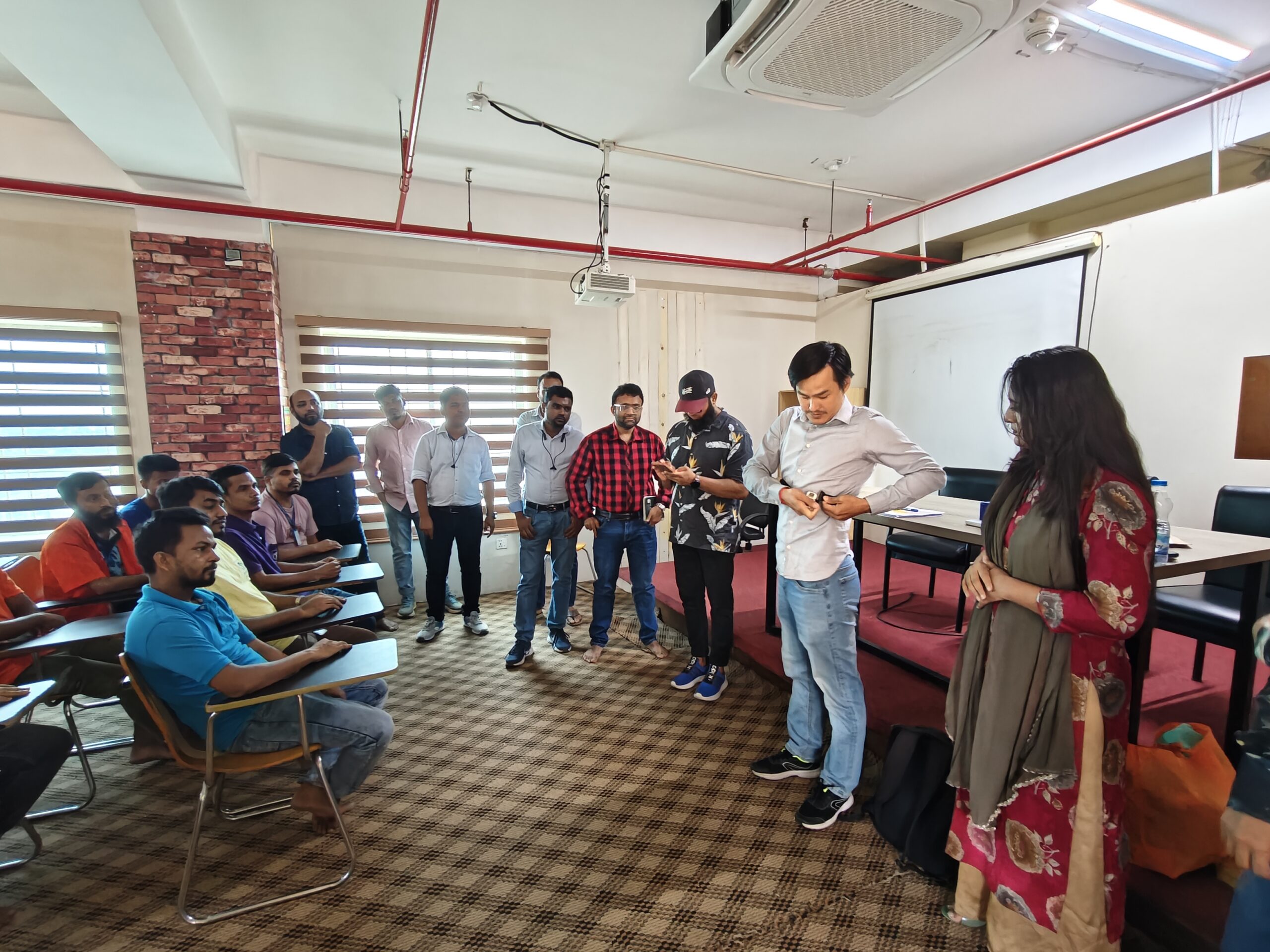
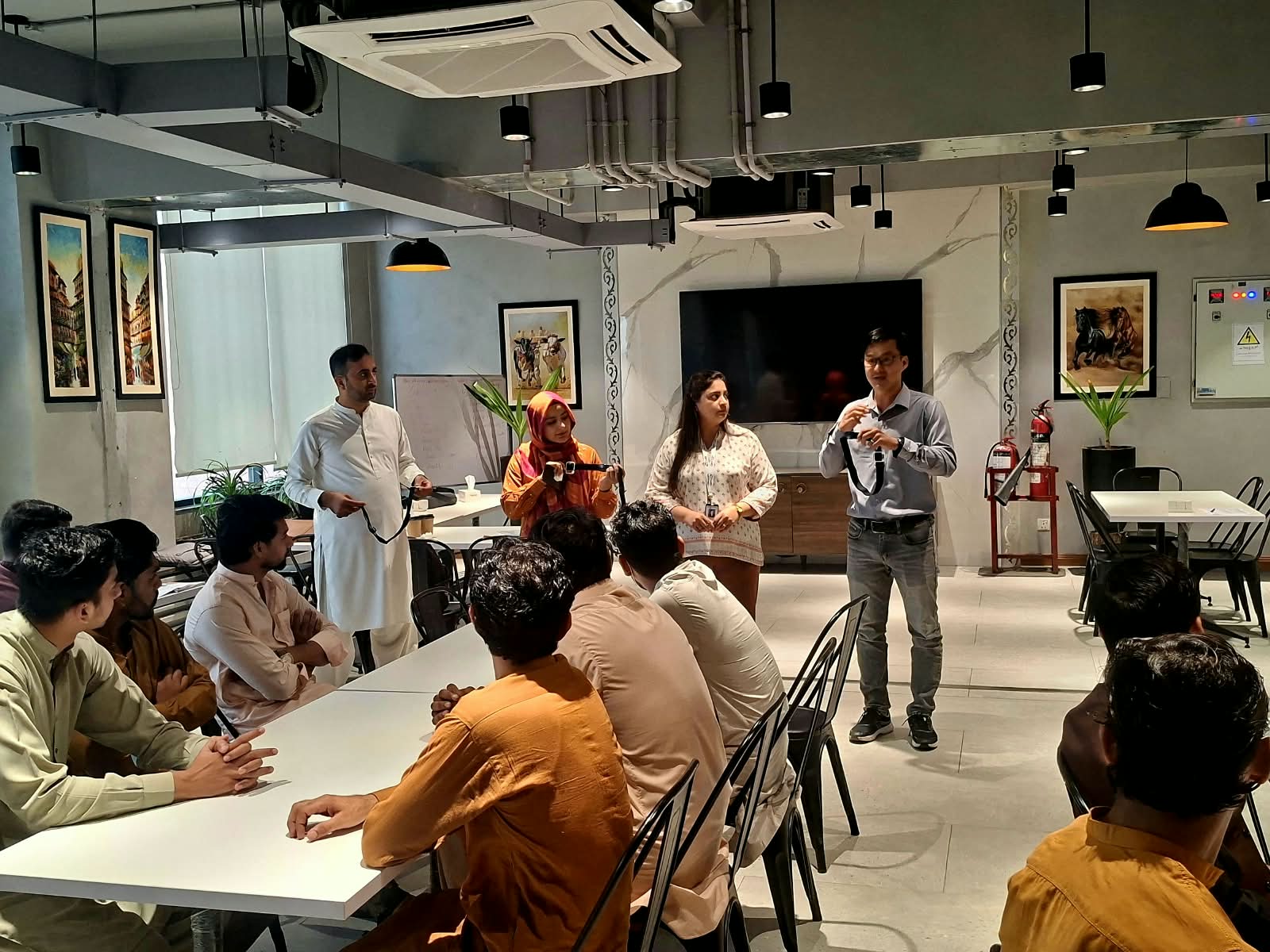
- Collection of anonymised data on skin temperature, heart rate and core body temperatures of 40 workers per factory through wearable sensors by the Royal Holloway team.
- Workers sampling that reflects different factory processes, spatial conditions and job roles.
- A briefing for the workers and factory management at the start of the day.
- An interview with workers at the end of the workday.
The data collection activities were designed to be non-disruptive and ensured minimum interference with normal factory operations.
How the Data Will be Used
In the coming weeks, the findings from the Heat Stress Pilot will be used to:
- Develop site-specific reports that support factories in implementing measures to mitigate heat stress risks. These reports will be shared with the participating factories and the Accord brands producing at the facilities.
- Inform the development of a Pilot Summary Report, highlighting cross-site findings and trends to enable model development. This report will not identify individual factories and will present aggregated results.
- Inform the development of the Accord’s Heat Stress Protocol and its key pillars:
- Monitoring of temperatures across production floors, with data visible to workers, factory management and the Accord.
- Temperature Thresholds that determine when corrective/ immediate action is required.
- Identification of heat risks through temperature sensors, inspections, and via complaints.
- Remediation via Engineering controls, welfare controls and worker protection controls.
- Worker and Factory Management Training & Awareness: Integration of heat stress in the Accord’s Safety Committee and All-Employee Meeting modules.
- Supplier Incentives: Technical Guidance, financing remediation, development of costing tool.
The Accord is grateful to the teams of Royal Holloway University of London, the Global Labor Institute (Cornell University) and ARUP, for their valuable expertise in conducting this pilot. Our thanks also go out to all participating factories and signatory brands whose contributions led to the successful completion of the pilot.
For any questions related to the International Accord’s work on heat stress please contact our Stakeholder Engagement Manager, Clara Kamphorst at clara.kamphorst@internationalaccord.org.
For more information, contact:
- media@internationalaccord.org
- Mini Dixit (Communications Advisor): mini.dixit@internationalaccord.org
Related updates
Multiple brands are in the final stages of internal reviews and are expected to sign the agreements in the coming days.
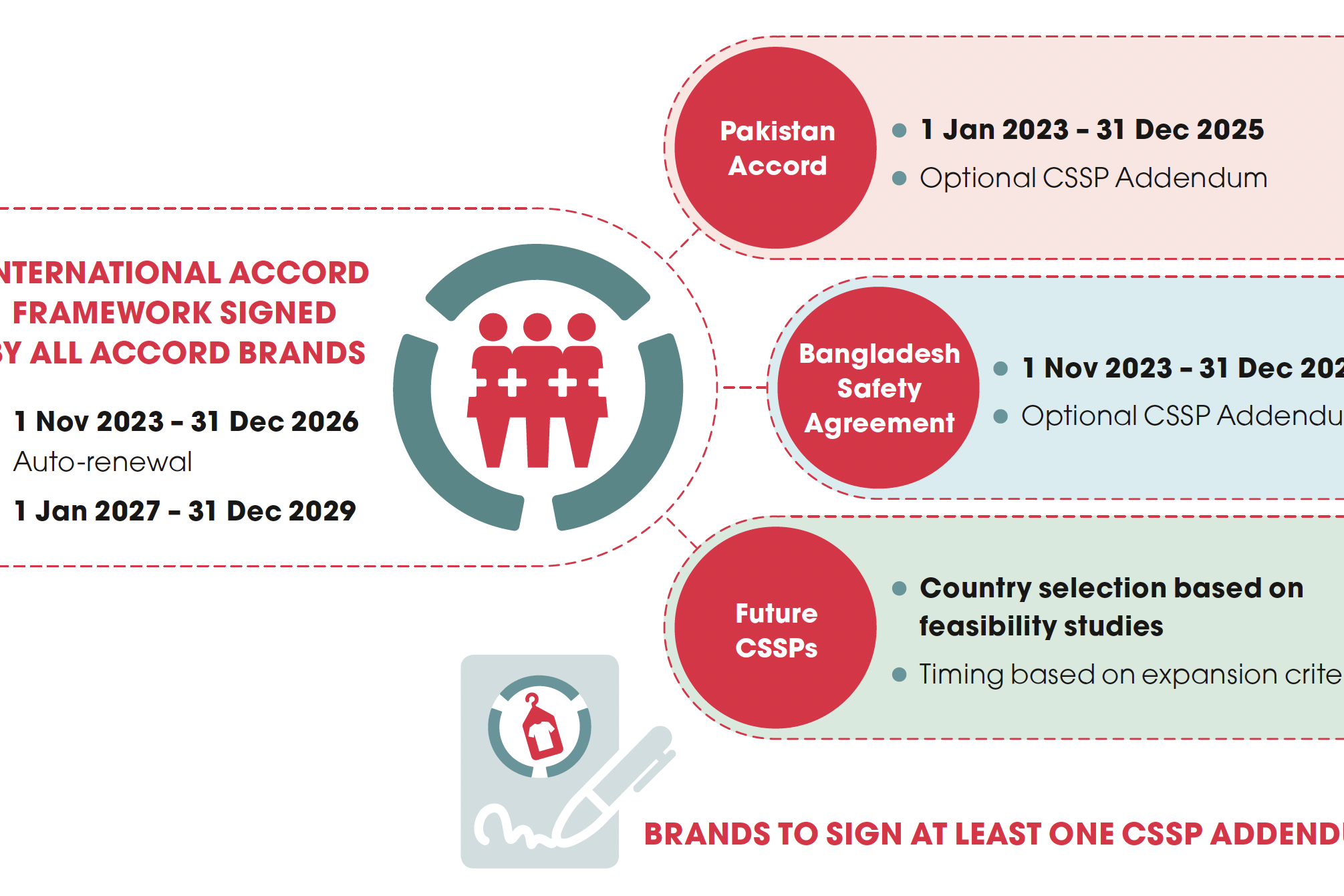
Explore the International Accord framework agreement and its country-specific Addendums, the Bangladesh Safety Agreement, and the Pakistan Accord.

The International Accord conducted the first round of initial inspections at factories supplying to Pakistan Accord brands in Lahore and Karachi between 16 – 28 October 2023.
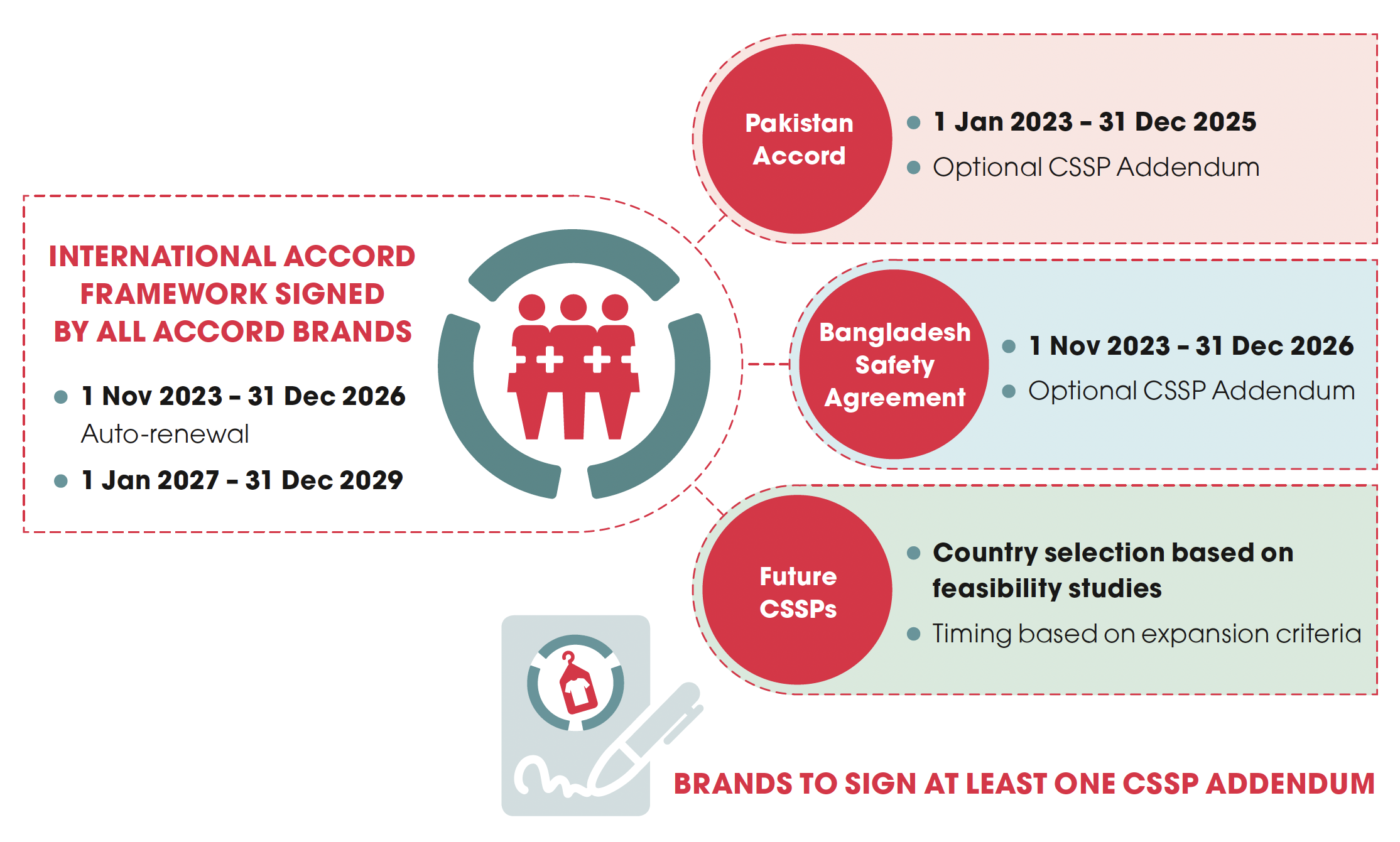
Explore the International Accord framework agreement and its country-specific Addendums, the Bangladesh Safety Agreement, and the Pakistan Accord.
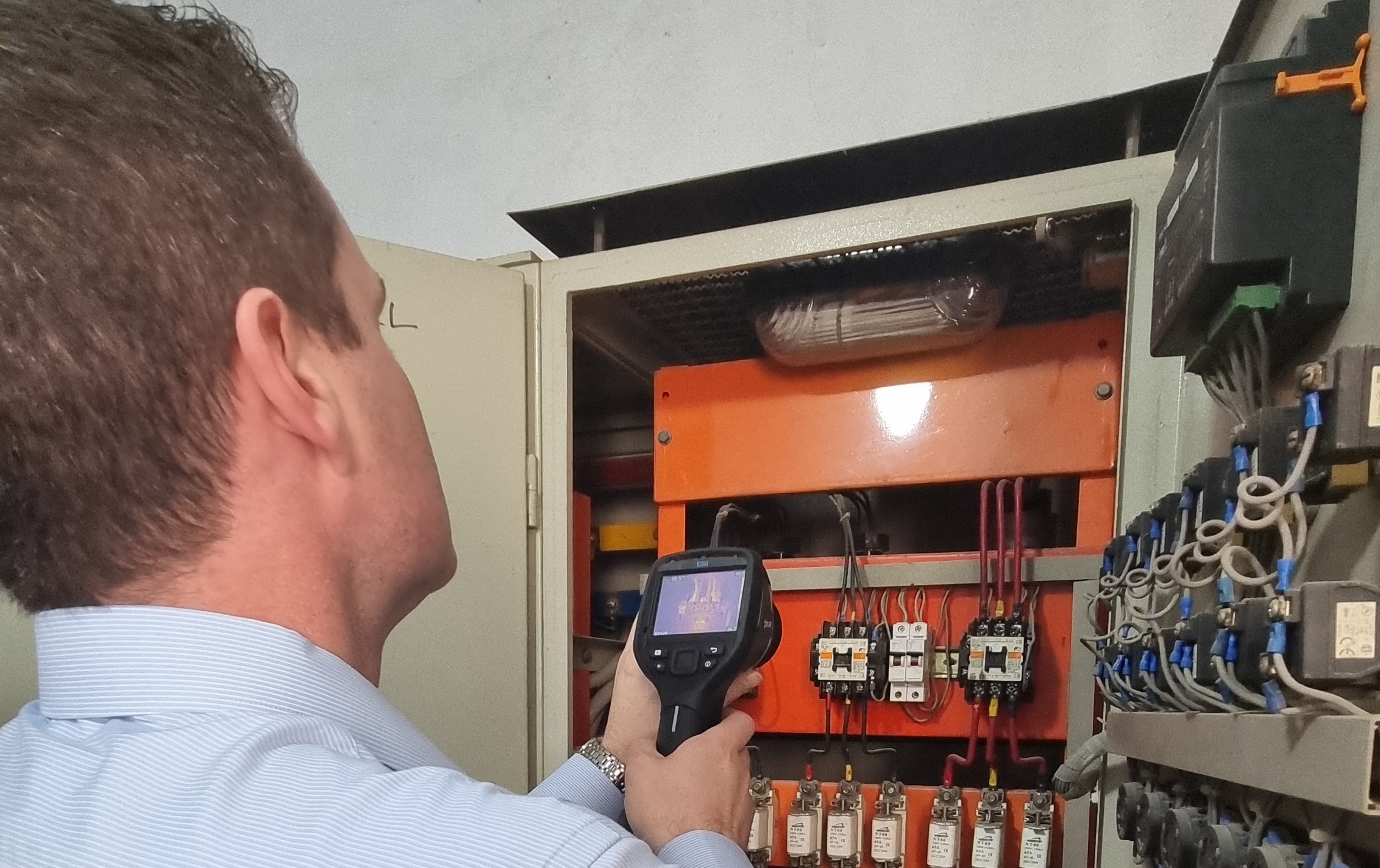
The International Accord conducted the first round of initial inspections at factories supplying to Pakistan Accord brands in Lahore and Karachi between 16 – 28 October 2023.
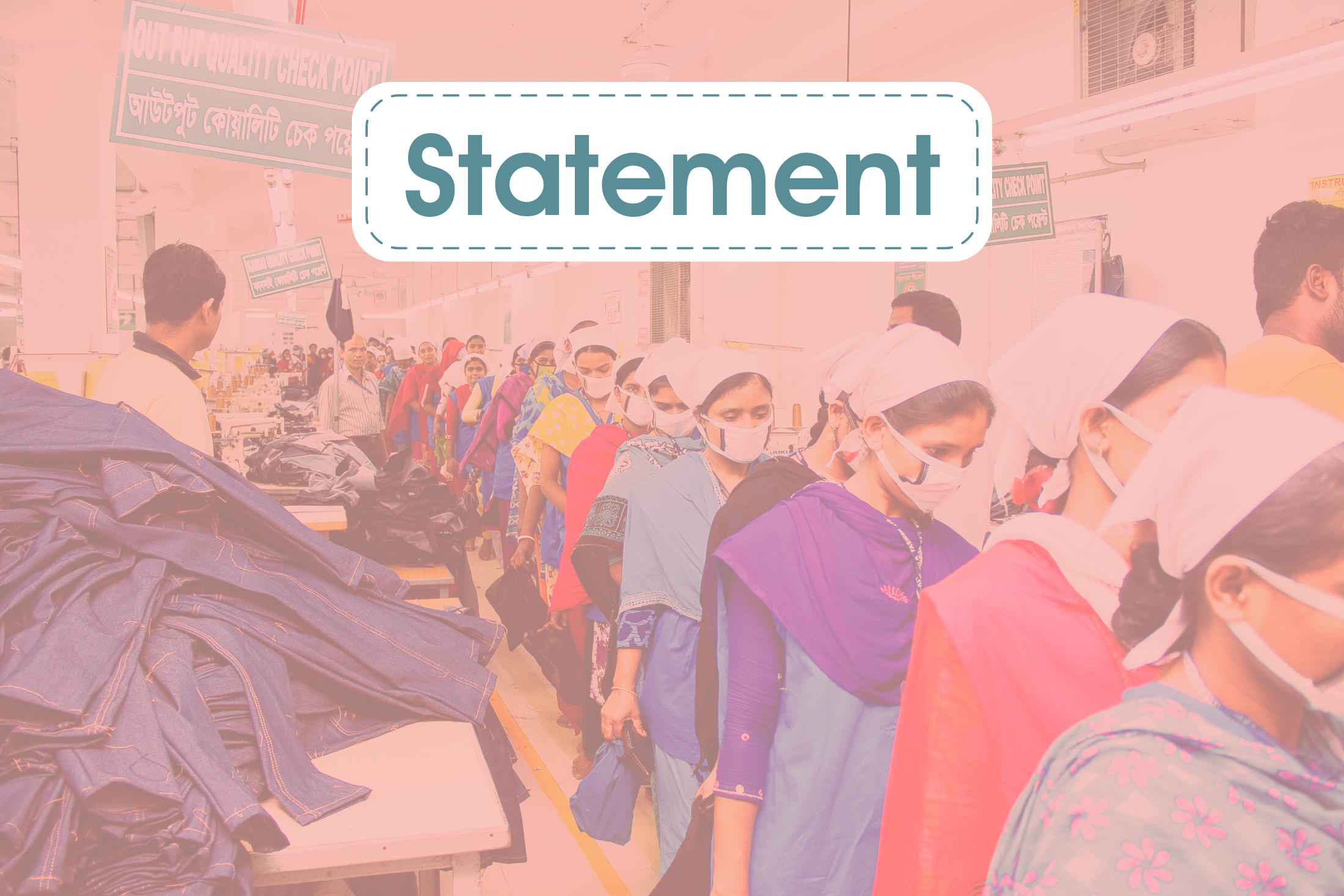
Global brands and trade unions have renewed the International Accord to enhance health and safety in supply chains in Bangladesh, Pakistan, and other countries in the future.
Follow us on social media


Annual Fee - Bangladesh Safety Agreement 2027 (Subject to BSA Renewal)
Annual Fee - Bangladesh Safety Agreement 2027 (Subject to BSA Renewal)
Statement on Ashulia Factory Explosion and Fire
Accord
We extend our deepest condolences to those killed and injured in the gas cylinder explosion and fire at Pretty Composite Textiles Ltd in Ashulia, Savar on Sunday, 20 September. Our thoughts are with the victims, their families, and all those affected by this incident.
Based on witness statements, discussions with factory management representatives and Safety Committee members, and preliminary post-incident observations made by the RMG Sustainability Council (RSC) engineers, a spark from an electric supply line near the boundary area may have triggered a gas (LPG/CNG) related fire and explosion. The fire spread to the adjacent LPG/CNG vehicle parking area, damaging several vehicles. As per the latest information available to the the RSC and Accord, at least 9 fatalities related to the incident have been reported so far.
The RSC will continue monitoring the situation in the affected area. Ensuring that every worker has access to a safe working environment remains a shared priority and responsibility for the RSC and the Accord. We reaffirm our dedication to working with all relevant stakeholders and partners to build and maintain a culture of health and safety that prevents such tragedies within the RMG sector in Bangladesh.
For more information, contact:
Related updates
Multiple brands are in the final stages of internal reviews and are expected to sign the agreements in the coming days.
Explore the International Accord framework agreement and its country-specific Addendums, the Bangladesh Safety Agreement, and the Pakistan Accord.
The International Accord conducted the first round of initial inspections at factories supplying to Pakistan Accord brands in Lahore and Karachi between 16 – 28 October 2023.
Global brands and trade unions have renewed the International Accord to enhance health and safety in supply chains in Bangladesh, Pakistan, and other countries in the future.
Follow us on social media
Pakistan Accord - Guide on Preliminary Finance Schedule
Pakistan Accord - Guide on Preliminary Finance Schedule

14 Years Since the Baldia Factory Fire: Pakistan Accord Reaffirms Commitment to Workplace Safety
Accord
Statement
Karachi, Lahore & Amsterdam, 11 September 2026:
14 years ago today, over 250 workers lost their lives at the Ali Enterprises textile factory in the Baldia district of Karachi, Pakistan. On this anniversary, Pakistan Accord remembers them and expresses its deepest condolences to their families and to all those affected by the tragedy.
To mark the occasion, Pakistan Accord staff in its Karachi and Lahore offices held an internal dialogue, 14 Years On: Remembering the Baldia Factory Fire, reflecting on the importance of workplace health and safety and the lessons that remain relevant for the garment industry.
Zulfiqar Shah, Country Director, Pakistan Accord; Véronique Camerer, Deputy Director, International Accord; Kirsty Drew, Chief Complaints Officer, Pakistan Accord, and other staff members paid tribute to the workers who lost their lives and highlighted the continued importance of effective fire, electrical, and structural safety measures for workers.

The Baldia tragedy remains an important reminder of the need for effective fire prevention, appropriate safety measures, and safe working conditions. Workplace safety requires sustained attention, effective systems, and the active involvement of all relevant stakeholders.
The Pakistan Accord was established in the context of major industrial disasters, including the Ali Enterprises (Baldia) factory fire in Pakistan and the Rana Plaza collapse in Bangladesh, with the objective of contributing to safer workplaces in the garment and textile industry.
Since its launch in January 2023, the Pakistan Accord team has conducted safety inspections at over 450 factories, identifying more than 40,000 safety risks. Corrective Action Plans (CAPs) have been developed, and Pakistan Accord engineers, including international experts, are working with suppliers to support remediation in accordance with applicable national and international safety standards.
The program currently covers factories employing more than 500,000 workers. Pakistan Accord will continue to support listed suppliers in addressing identified safety issues and strengthening workplace safety systems.
The Accord’s workplace program has also provided safety awareness training to more than 250,000 workers and established a trusted Complaints Mechanism through which workers can raise health and safety concerns. More than 800 complaints have been received so far.
Pakistan Accord recognises that workplace safety improvements can only be achieved and sustained in cooperation and collaboration with brands, suppliers, workers and their representatives, government, and other relevant stakeholders.
On this anniversary, Pakistan Accord remembers the workers who lost their lives and reaffirms its commitment to supporting continued improvements in workplace health and safety in Pakistan’s garment and textile industry.
END
For more information, contact:
- media@internationalaccord.org
- Mini Dixit (Communications Advisor): mini.dixit@internationalaccord.org
Related updates
Multiple brands are in the final stages of internal reviews and are expected to sign the agreements in the coming days.
Explore the International Accord framework agreement and its country-specific Addendums, the Bangladesh Safety Agreement, and the Pakistan Accord.
The International Accord conducted the first round of initial inspections at factories supplying to Pakistan Accord brands in Lahore and Karachi between 16 – 28 October 2023.
Explore the International Accord framework agreement and its country-specific Addendums, the Bangladesh Safety Agreement, and the Pakistan Accord.
The International Accord conducted the first round of initial inspections at factories supplying to Pakistan Accord brands in Lahore and Karachi between 16 – 28 October 2023.
Global brands and trade unions have renewed the International Accord to enhance health and safety in supply chains in Bangladesh, Pakistan, and other countries in the future.
Follow us on social media
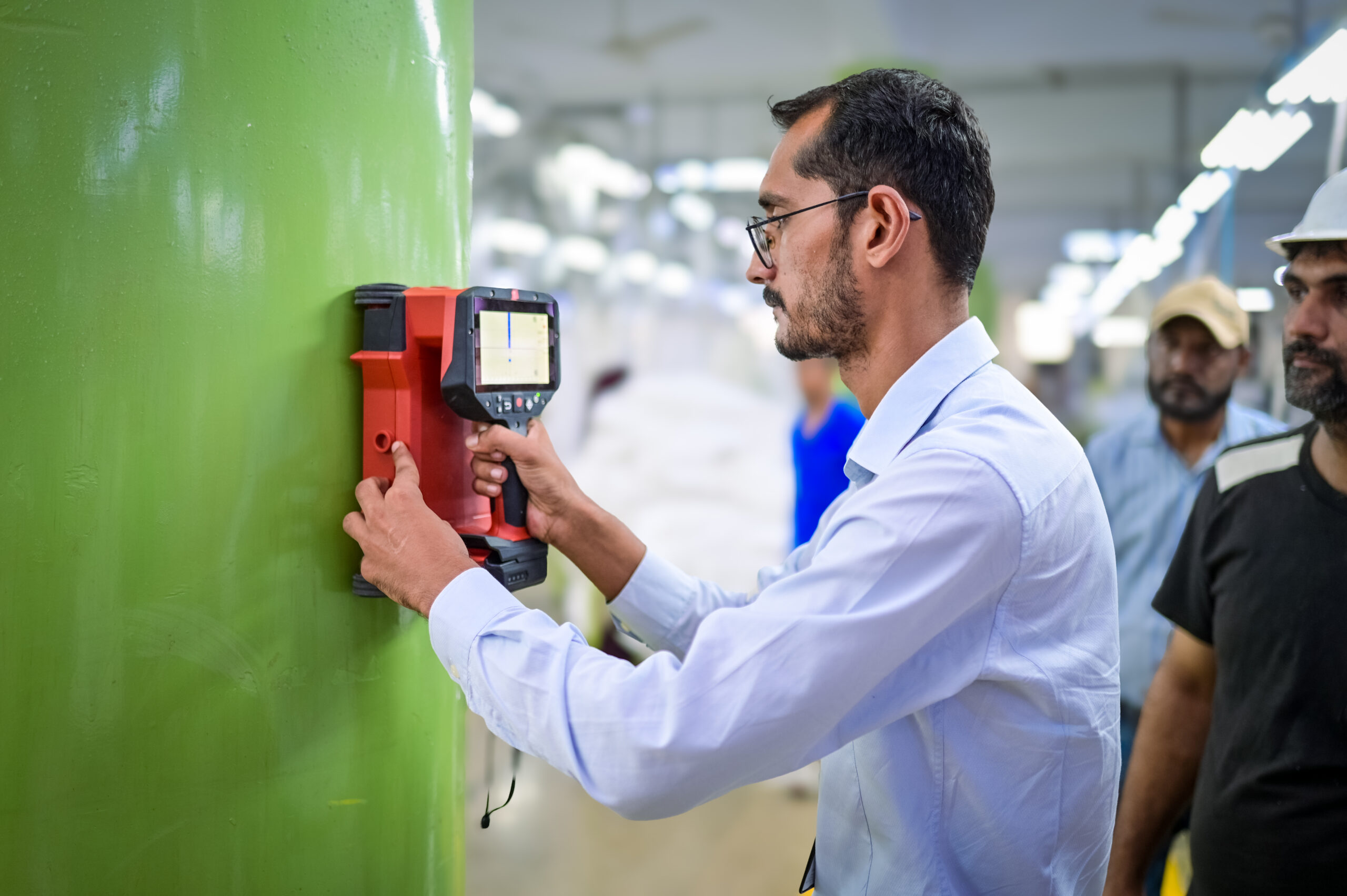
300 Brands Sign the International Accord for Continued Worker Health and Safety
Accord
300 global garment brands and retailers have signed the International Accord for Health and Safety in the Textile and Garment Industry (International Accord) with global unions, IndustriALL and UNI, marking the highest number of signatories for any Accord agreement to date.
These signatory brands are headquartered across 26 countries and annually source goods worth approximately USD $26 billion from Bangladesh and Pakistan. Collectively, the Accord brands source from over 2,000 factories with over 3.4 million workers in Bangladesh and Pakistan.
The International Accord was renewed in 2023 as a framework agreement for a three-year term, with automatic renewal for an additional three years, making it the longest commitment in the Accord’s history.
It builds upon the 2013 and 2018 Accords on Fire and Building Safety in Bangladesh, as well as the 2021 International Accord, each of which progressively expanded its scope and commitments.
The International Accord is a legally binding agreement between global brands and trade unions, to create and maintain garment factories where no worker fears fires, building collapses or other accidents that can be prevented with reasonable health and safety measures.
It promotes worker health and safety through factory inspections to identify risks; remediation to implement life-saving improvements; worker safety training to raise awareness of workers’ rights, responsibilities, and health and safety risks; and a trusted Complaints Mechanism for workers to raise health and safety concerns.
The Accord Secretariat thanks all brands, trade unions and civil society organisations who have made this milestone possible. We look forward to welcoming even more brands as we continue working together towards a safer textile and garment industry.
Watch this video message from our Executive Director, Joris Oldenziel, to learn how Accord signatories and their suppliers ensure workplace safety, what factory improvements have been made so far, and why worker health and safety remains a priority.
For more information, contact:
- media@internationalaccord.org
- Mini Dixit (Communications Advisor): mini.dixit@internationalaccord.org

Related updates
Multiple brands are in the final stages of internal reviews and are expected to sign the agreements in the coming days.
Explore the International Accord framework agreement and its country-specific Addendums, the Bangladesh Safety Agreement, and the Pakistan Accord.
The International Accord conducted the first round of initial inspections at factories supplying to Pakistan Accord brands in Lahore and Karachi between 16 – 28 October 2023.
Explore the International Accord framework agreement and its country-specific Addendums, the Bangladesh Safety Agreement, and the Pakistan Accord.
The International Accord conducted the first round of initial inspections at factories supplying to Pakistan Accord brands in Lahore and Karachi between 16 – 28 October 2023.
Global brands and trade unions have renewed the International Accord to enhance health and safety in supply chains in Bangladesh, Pakistan, and other countries in the future.
Follow us on social media
Pakistan Accord: Supplier Briefing #10

Supplier Briefing #10
These briefings are designed for all factories and suppliers listed by Pakistan Accord signatory brands. They include updates on key developments under the Pakistan Accord, along with information on upcoming events, guidance materials, and resources for suppliers.
We encourage all suppliers and factories covered by the Pakistan Accord to read these briefings and to share suggestions on what they would like to see in them by contacting us via pakistan.factories@internationalaccord.org.
This briefing includes updates on:
- Coverage: Signatory Brands, Factories, and Workers
- Program Rollout: Inspections & Remediation, Workplace Programs
- Events: Engagement Meetings in Pakistan, Pakistan Labour Academy, EU-Pakistan Business Forum
Coverage: Signatory Brands, Covered Factories and Workers
As of 13 August, 142 brands sourcing from Pakistan have signed the Pakistan Accord. Pakistan Accord signatories include the world’s largest clothing brands and retailers and are headquartered in 19 countries across the United States of America, Europe, Australia, Hong Kong, Turkey, and Japan.
Collectively, Pakistan Accord brands source from 458 factories with over 527,000 workers. The export value of these brands increased from USD $3.5 billion in 2024 to over USD $4.5 billion by July 2026.
View the latest list of Pakistan Accord signatories.
View the list of factories participating in the Pakistan Accord programs.
Program Rollout
Inspections and Remediation
To date, Pakistan Accord engineers have conducted 449 Initial Inspections, 207 Follow-Up Inspections, 55 Special Inspections to identify fire, electrical, and structural safety risks across factories in Karachi, Lahore, and Faisalabad.
Over 240 boilers across 117 factories have received at least one boiler safety inspection. These inspections aim to identify risks that could trigger a boiler explosion including issues like safety valves deterioration, absence of steam pressure limiters and leakages in tube welding joints.
Technical Workshops
Pakistan Accord engineers have been conducting a series of technical workshops to support factories in their remediation journey. General sessions on fire, structural and electrical safety were held for 30 factories between 21-23 July. This was followed by specialised sessions for 38 factories requiring Detailed Engineering Assessments (DEAs), from 28 -30 July.
Upcoming Workshops on Immediate Findings and Quick Fixes
To support factories in their remediation journey, the Pakistan Accord is preparing a series of workshops focused on correcting immediate safety findings. Correcting these issues offers significant life-safety value and contributes to boosting remediation progress and overall health and safety at factories. For examples of immediate findings, you can revisit Supplier Briefing No. 8 and 9.
The Pakistan Accord will be arranging a series Town Hall and individual meetings with factories between 8 and 18 September to ensure focused guidance and engagement.
Finance Plan Webinars
Over 80 Preliminary Finance Schedules for covered factories are now complete, providing factory management and brands a shared understanding of cost estimates to support planning, budgeting, and timely implementation of safety remediation.
The costs reflect Pakistani market prices for materials, equipment, and installation, with standard engineering assumptions used for items awaiting detailed designs.
The Pakistan Accord will organise webinars starting the week of 24 August, to delve deeper into these schedules with the concerned factories and their respective sourcing brands.
Factory Portal Launch
The Pakistan Accord launched its Factory Portal in June during an online event attended by inspected factories. The Factory Portal is an interactive online platform for covered factories to directly engage on Accord-related updates and actions.
Through the portal, factories can:
- Update contact details and general information
- Update Corrective Action Plans (CAPs)
- Access their inspection reports
- Upload required documents
- Raise queries directly with Accord engineers
We invite all factories with access to the portal to review their details and complete all pending actions. We request special cooperation and attention to submitting your boiler information at the earliest to support the continuation of boiler safety inspections and remediation at their facilities.
Engineering Helpdesk Launch
The Pakistan Accord has launched a new Engineering Helpdesk to provide consistent, transparent, and accessible technical support to factories and engineering consultants engaged in safety remediation at covered facilities. Other stakeholders involved in factory safety including government agencies, brands and civil society organisations may also refer to the resources.
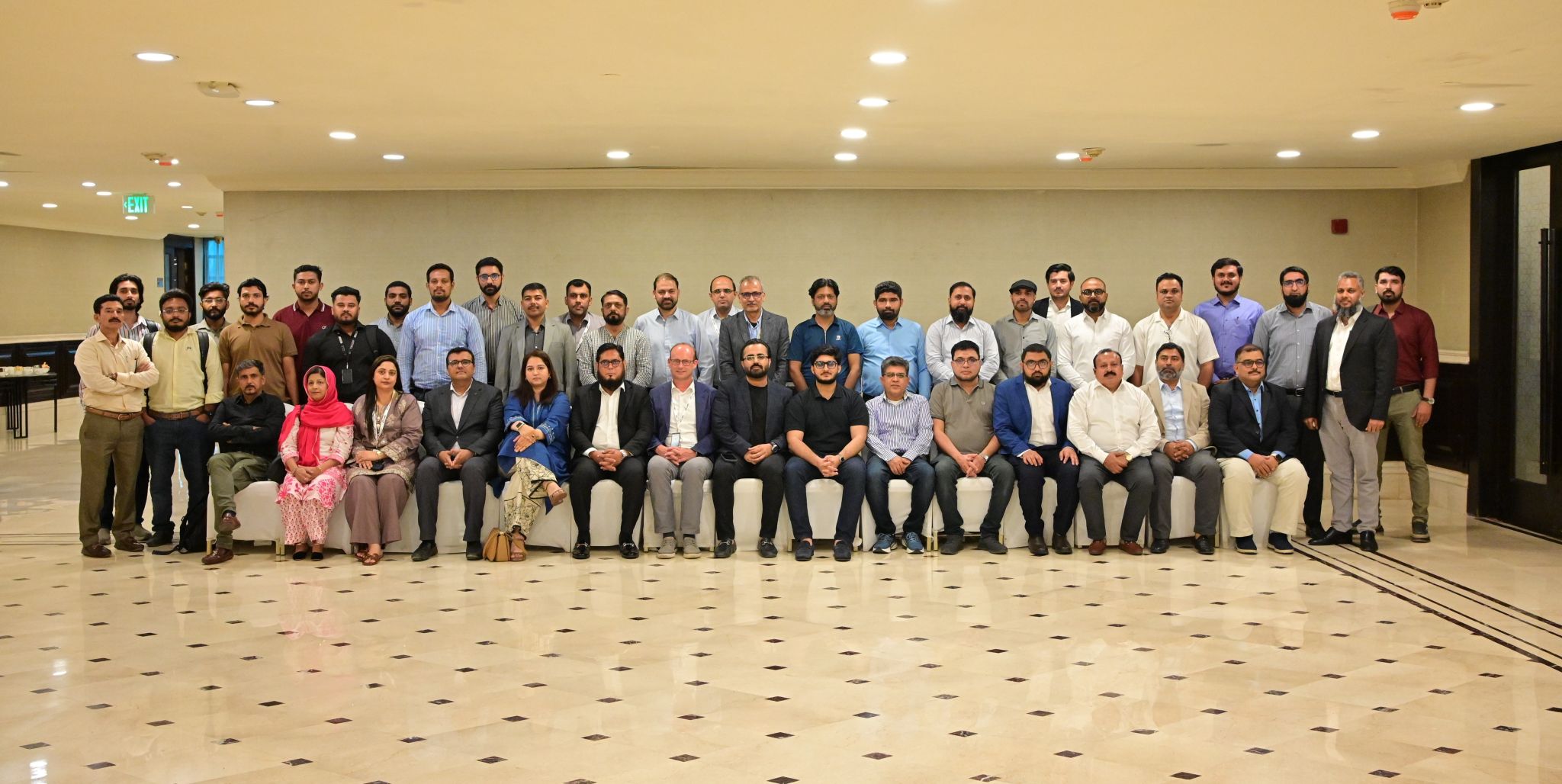
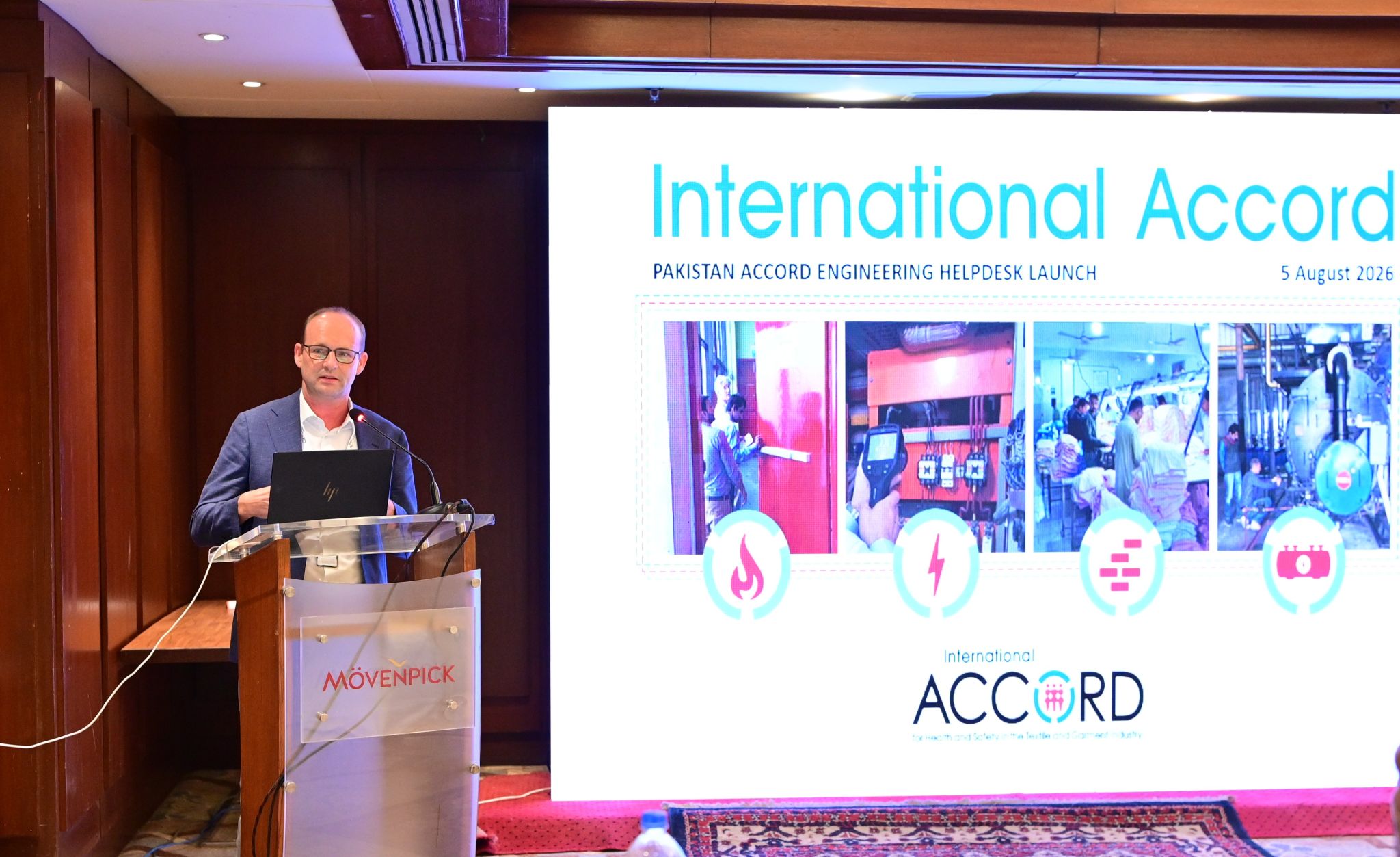
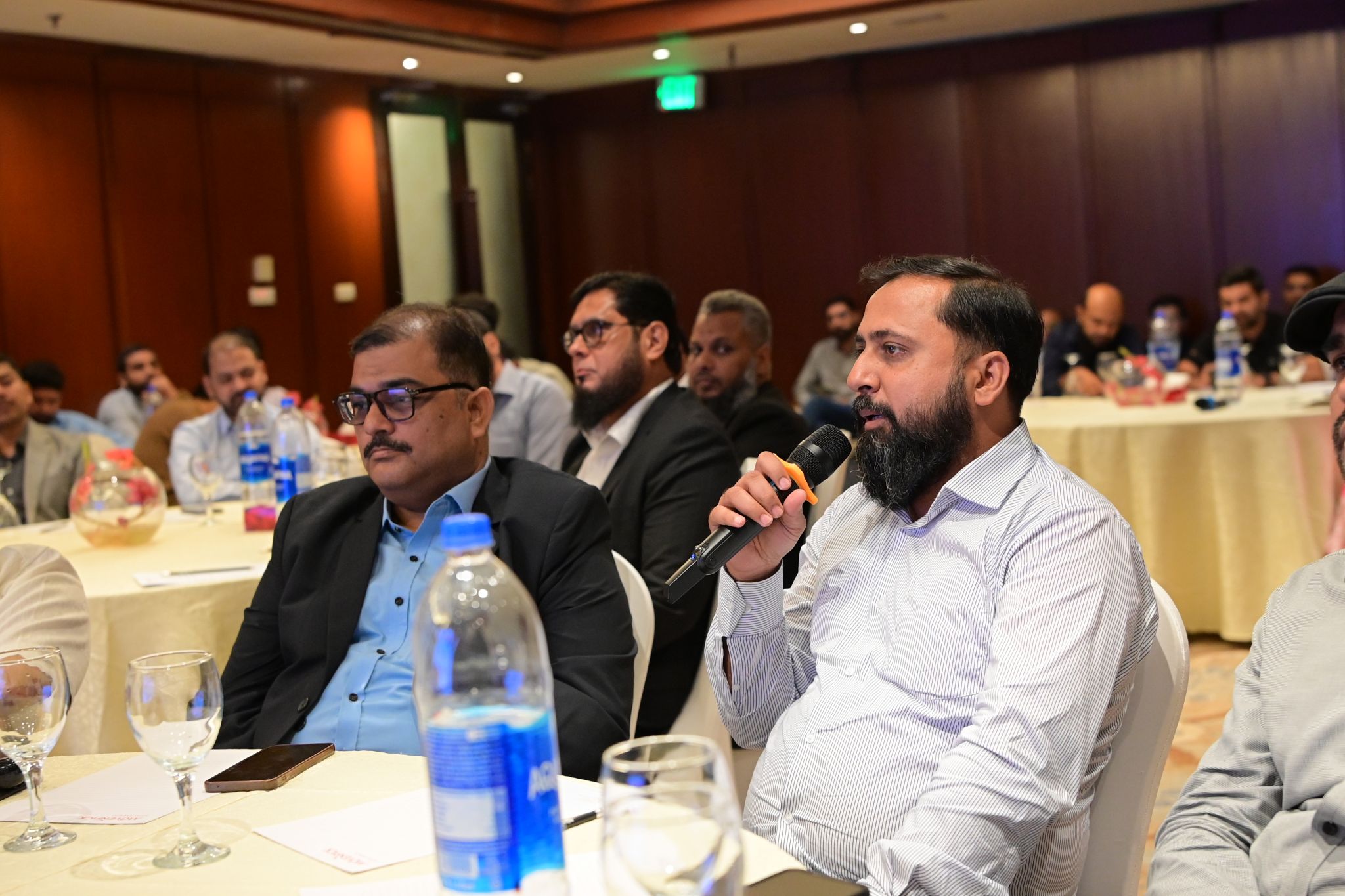
Key features include:
- Guidance Documents: Detailed resources covering fire, electrical, structural, and boiler safety.
- FAQ Section: Discipline-specific frequently asked questions designed to guide factories on specific queries.
The Helpdesk is a living resource that will evolve based on the needs of factories. In the coming months, it will be populated with training recordings and webinars.
We encourage stakeholders to review existing materials and suggest priorities for future development. Please submit queries and feedback to helpdesk@safetyaccord.pk.
Workplace Programs
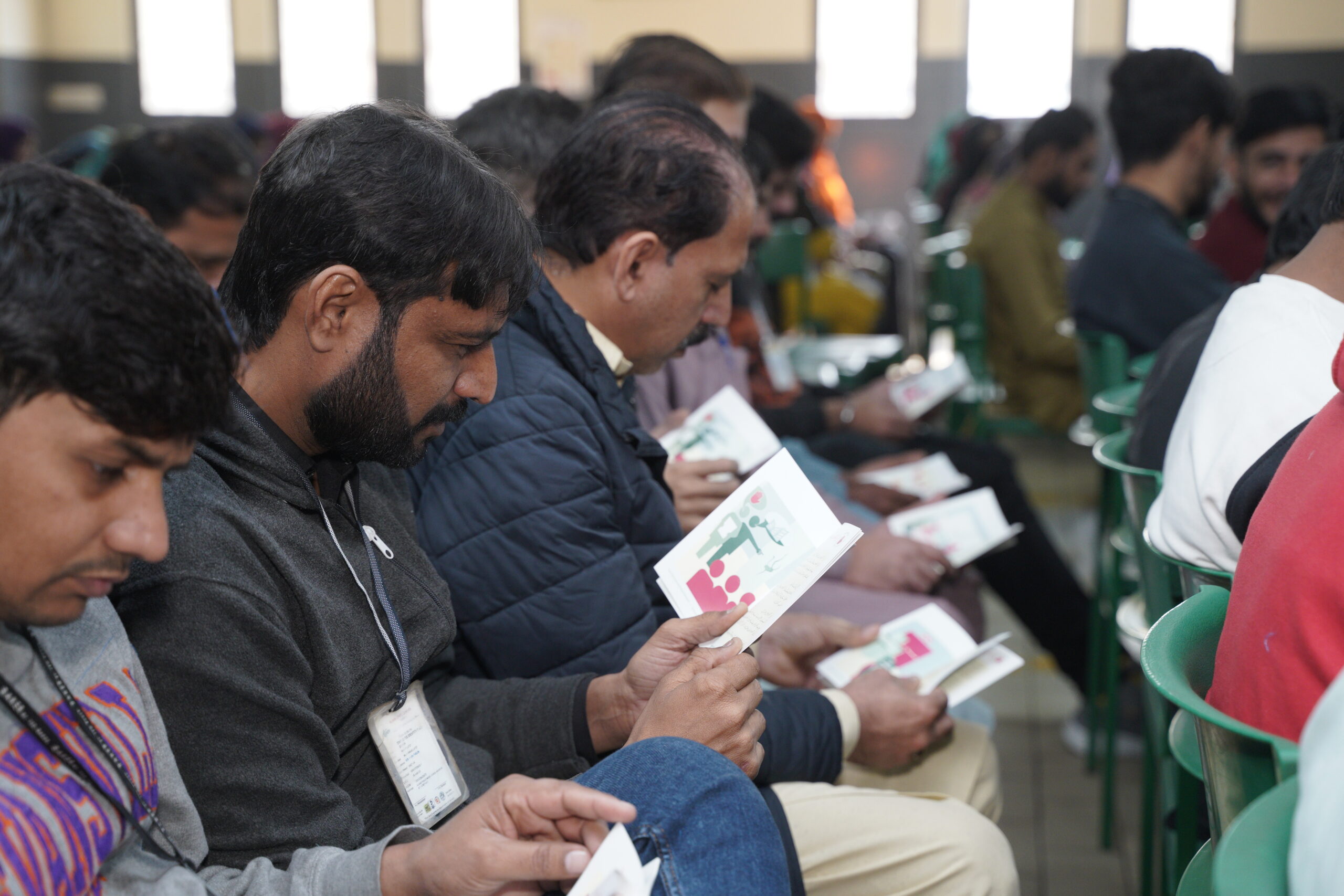
The Pakistan Accord’s Workplace Programs continues to make progress across covered factories. To date, the Workplace Programs team has conducted over 295 initial introductory meetings, and All-Employee Meetings (AEMs) have taken place at 195 factories. As part of the AEMs, 193,250 booklets have been distributed among workers to raise awareness on workplace health and safety.
In addition, 116 Safety Committee training meetings have been held with 1,428 participants. These joint labour-management committees support workplace health and safety at covered factories and are integral to overall health and safety across factories.
The Pakistan Accord’s Complaints Mechanism has received over 345 complaints. The most common complaints relate to forced overtime, inadequate quality or quantity of potable water, verbal abuse, overtime without payment, excessive overtime, threats, and heat stress. Over 65 complaints have been resolved via the Complaints Mechanism.
Events
Engagement Meetings in Islamabad
Joris Oldenziel, Executive Director, International Accord and Zulfiqar Shah, Country Director, Pakistan Accord visited Islamabad for high level engagement meetings with representatives from the Ministry of Commerce, ILO Pakistan, and the Embassy of the Kingdom of the Netherlands. The purpose of the meetings was to update key stakeholders on progress under the Pakistan Accord.
Pakistan Labour Academy
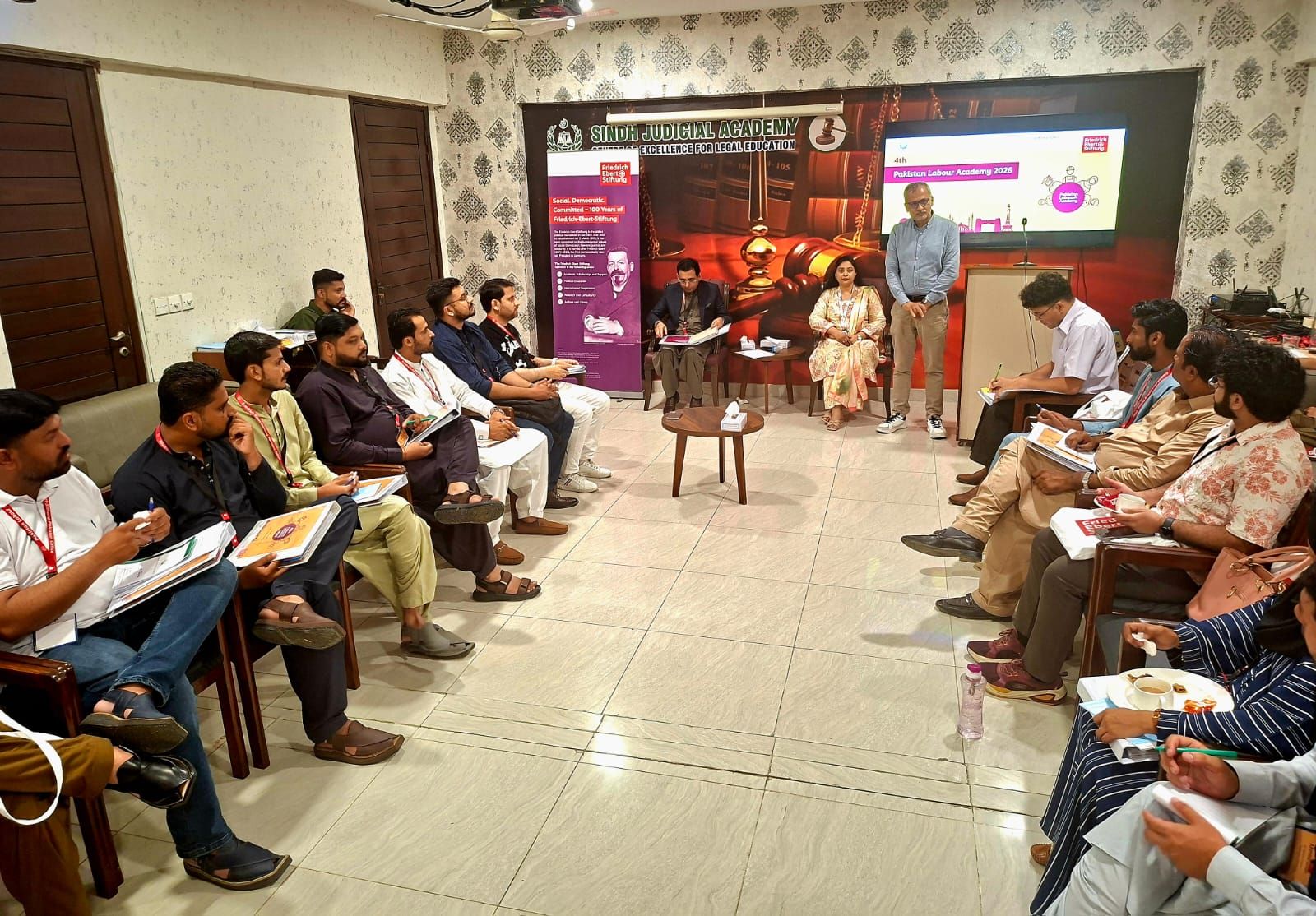
Zulfiqar Shah delivered the session Occupational Safety and Health Compliance – An Update from Pakistan Accord at the 4th Pakistan Labour Academy, organised by Friedrich-Ebert Stiftung (FES) Pakistan in Karachi. Over 25 trade union representatives from across Pakistan attended the academy.
During his presentation, Shah provided an overview of the Pakistan Accord, highlighting the progress made in improving fire and building safety standards across Pakistan’s textile and garment factories that supply more than 140 global brands and retailers. He emphasised the Pakistan Accord’s significance as a legally binding agreement between trade unions and brands aimed at ensuring worker health and safety in Pakistan’s textile and garment industry.
EU-Pakistan Business Forum
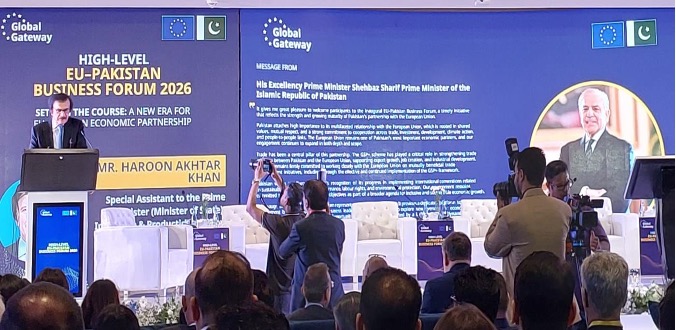
Zulfiqar Shah, participated in the 2026 EU-Pakistan Business Forum in Islamabad. The forum brought together representatives of European businesses operating in Pakistan, business leaders from Europe, government officials, diplomats, and industry experts to strengthen economic cooperation and explore new avenues for growth across industries including the textile and garment sector.
The Forum concluded with discussions over two days around strengthening partnership for business growth and sustainable economic development.
Operations
The Pakistan Accord continues to build and train local teams in Karachi and Lahore to ensure effective program implementation.
We are seeking a new, Karachi-based, Remediation Department Manager to ensure effective communication and coordination between Pakistan Accord signatories, covered suppliers, and staff on the non-technical aspects of remediation monitoring and Corrective Action Plan (CAP) implementation.
View the Remediation Department Manager job vacancy
Resources
Stay in Touch
Related updates
Multiple brands are in the final stages of internal reviews and are expected to sign the agreements in the coming days.
Explore the International Accord framework agreement and its country-specific Addendums, the Bangladesh Safety Agreement, and the Pakistan Accord.
The International Accord conducted the first round of initial inspections at factories supplying to Pakistan Accord brands in Lahore and Karachi between 16 – 28 October 2023.
Explore the International Accord framework agreement and its country-specific Addendums, the Bangladesh Safety Agreement, and the Pakistan Accord.
The International Accord conducted the first round of initial inspections at factories supplying to Pakistan Accord brands in Lahore and Karachi between 16 – 28 October 2023.
Global brands and trade unions have renewed the International Accord to enhance health and safety in supply chains in Bangladesh, Pakistan, and other countries in the future.
Follow us on social media
13 Years after Rana Plaza: Continuing the Work for Worker Safety
Accord
Statement
Amsterdam, 24 April 2026:
Today marks 13 years since the Rana Plaza collapse in Dhaka, Bangladesh – a tragedy that claimed the lives of at least 1,138 people and left thousands injured. The Accord remembers those who lost their lives, those who were injured, and those still living with its aftermath.
Commemorating Rana Plaza goes beyond remembrance; it is a reminder of the need for sustained collective action and an ongoing commitment to worker health and safety in the textile and garment industry.Ensuring safe factories, with secure exits, clear evacuation routes, unlockable and certified fire doors, structurally sound buildings, functioning alarms, and effective emergency preparedness, remains as essential today as it was in the immediate aftermath of the Rana Plaza collapse in April 2013.
Incidents such as the tragic fires at a garment factory and chemical warehouse in Mirpur, which resulted in at least 16 fatalities due to locked exits, and in the Chittagong Export Processing Zone underscore that safety risks in the garment and textile industry remain a reality.
The Rana Plaza tragedy catalysed strong collective action to improve worker health and safety. For over a decade, the efforts of brands, trade unions, factories, and civil society partners under the Accord have contributed to safety improvements at more than 2,000 garment and textile factories in Bangladesh. At the same time, it must be noted that hundreds of factories have yet to fully remediate the identified safety hazards, resulting in ongoing safety risks.
To continue the safety improvements and ensure that all factories covered under the Accord in Bangladesh remediate all safety risks, brands and global unions, IndustriALL and UNI, are preparing for negotiations to renew the Bangladesh Safety Agreement beyond December 31, 2026.
The Accord, alongside its signatories, RMG Sustainability Council (RSC) colleagues and civil society partners, remains steadfast in its commitment to creating safe factories where no worker needs to fear fires, building collapses, or other preventable accidents.
END
For more information, contact:
- media@internationalaccord.org
- Mini Dixit (Communications Advisor): mini.dixit@internationalaccord.org
Related updates
Multiple brands are in the final stages of internal reviews and are expected to sign the agreements in the coming days.
Explore the International Accord framework agreement and its country-specific Addendums, the Bangladesh Safety Agreement, and the Pakistan Accord.
The International Accord conducted the first round of initial inspections at factories supplying to Pakistan Accord brands in Lahore and Karachi between 16 – 28 October 2023.
Explore the International Accord framework agreement and its country-specific Addendums, the Bangladesh Safety Agreement, and the Pakistan Accord.
The International Accord conducted the first round of initial inspections at factories supplying to Pakistan Accord brands in Lahore and Karachi between 16 – 28 October 2023.
Global brands and trade unions have renewed the International Accord to enhance health and safety in supply chains in Bangladesh, Pakistan, and other countries in the future.
Follow us on social media