Statement on Ashulia Factory Explosion and Fire
Updates
We extend our deepest condolences to those killed and injured in the gas cylinder explosion and fire at Pretty Composite Textiles Ltd in Ashulia, Savar on Sunday, 20 September. Our thoughts are with the victims, their families, and all those affected by this incident.
Based on witness statements, discussions with factory management representatives and Safety Committee members, and preliminary post-incident observations made by the RMG Sustainability Council (RSC) engineers, a spark from an electric supply line near the boundary area may have triggered a gas (LPG/CNG) related fire and explosion. The fire spread to the adjacent LPG/CNG vehicle parking area, damaging several vehicles. As per the latest information available to the the RSC and Accord, at least 9 fatalities related to the incident have been reported so far.
The RSC will continue monitoring the situation in the affected area. Ensuring that every worker has access to a safe working environment remains a shared priority and responsibility for the RSC and the Accord. We reaffirm our dedication to working with all relevant stakeholders and partners to build and maintain a culture of health and safety that prevents such tragedies within the RMG sector in Bangladesh.
For more information, contact:
Related updates

14 years ago today, over 250 workers lost their lives at the Ali Enterprises textile factory in the Baldia district of Karachi, Pakistan. On this anniversary, Pakistan Accord remembers them and expresses its deepest condolences to their families and to all those affected by the tragedy.
This briefing provides updates on the number of signatory brands, factories and workers. Additionally, it includes updates on the recently launched Factory Portal and Engineering Helpdesk.
This briefing provides updates on the number of signatory brands, factories and workers. Additionally, it includes guidance on the actions suppliers should take to address immediate safety findings.
We extend our deepest condolences to the victims and families affected by the tragic gas cylinder explosion and fire at Pretty Composite Textiles Ltd in Ashulia, Savar on Sunday, 20 September.

14 years ago today, over 250 workers lost their lives at the Ali Enterprises textile factory in the Baldia district of Karachi, Pakistan. On this anniversary, Pakistan Accord remembers them and expresses its deepest condolences to their families and to all those affected by the tragedy.
300 global garment brands and retailers have signed the International Accord for Health and Safety in the Textile and Garment Industry (International Accord) with global unions, IndustriALL and UNI.
Follow us on social media


14 Years Since the Baldia Factory Fire: Pakistan Accord Reaffirms Commitment to Workplace Safety
Updates
Statement
Karachi, Lahore & Amsterdam, 11 September 2026:
14 years ago today, over 250 workers lost their lives at the Ali Enterprises textile factory in the Baldia district of Karachi, Pakistan. On this anniversary, Pakistan Accord remembers them and expresses its deepest condolences to their families and to all those affected by the tragedy.
To mark the occasion, Pakistan Accord staff in its Karachi and Lahore offices held an internal dialogue, 14 Years On: Remembering the Baldia Factory Fire, reflecting on the importance of workplace health and safety and the lessons that remain relevant for the garment industry.
Zulfiqar Shah, Country Director, Pakistan Accord; Véronique Camerer, Deputy Director, International Accord; Kirsty Drew, Chief Complaints Officer, Pakistan Accord, and other staff members paid tribute to the workers who lost their lives and highlighted the continued importance of effective fire, electrical, and structural safety measures for workers.

The Baldia tragedy remains an important reminder of the need for effective fire prevention, appropriate safety measures, and safe working conditions. Workplace safety requires sustained attention, effective systems, and the active involvement of all relevant stakeholders.
The Pakistan Accord was established in the context of major industrial disasters, including the Ali Enterprises (Baldia) factory fire in Pakistan and the Rana Plaza collapse in Bangladesh, with the objective of contributing to safer workplaces in the garment and textile industry.
Since its launch in January 2023, the Pakistan Accord team has conducted safety inspections at over 450 factories, identifying more than 40,000 safety risks. Corrective Action Plans (CAPs) have been developed, and Pakistan Accord engineers, including international experts, are working with suppliers to support remediation in accordance with applicable national and international safety standards.
The program currently covers factories employing more than 500,000 workers. Pakistan Accord will continue to support listed suppliers in addressing identified safety issues and strengthening workplace safety systems.
The Accord’s workplace program has also provided safety awareness training to more than 250,000 workers and established a trusted Complaints Mechanism through which workers can raise health and safety concerns. More than 800 complaints have been received so far.
Pakistan Accord recognises that workplace safety improvements can only be achieved and sustained in cooperation and collaboration with brands, suppliers, workers and their representatives, government, and other relevant stakeholders.
On this anniversary, Pakistan Accord remembers the workers who lost their lives and reaffirms its commitment to supporting continued improvements in workplace health and safety in Pakistan’s garment and textile industry.
END
For more information, contact:
- media@internationalaccord.org
- Mini Dixit (Communications Advisor): mini.dixit@internationalaccord.org
Related updates
14 years ago today, over 250 workers lost their lives at the Ali Enterprises textile factory in the Baldia district of Karachi, Pakistan. On this anniversary, Pakistan Accord remembers them and expresses its deepest condolences to their families and to all those affected by the tragedy.
This briefing provides updates on the number of signatory brands, factories and workers. Additionally, it includes updates on the recently launched Factory Portal and Engineering Helpdesk.
This briefing provides updates on the number of signatory brands, factories and workers. Additionally, it includes guidance on the actions suppliers should take to address immediate safety findings.
We extend our deepest condolences to the victims and families affected by the tragic gas cylinder explosion and fire at Pretty Composite Textiles Ltd in Ashulia, Savar on Sunday, 20 September.
14 years ago today, over 250 workers lost their lives at the Ali Enterprises textile factory in the Baldia district of Karachi, Pakistan. On this anniversary, Pakistan Accord remembers them and expresses its deepest condolences to their families and to all those affected by the tragedy.
300 global garment brands and retailers have signed the International Accord for Health and Safety in the Textile and Garment Industry (International Accord) with global unions, IndustriALL and UNI.
Follow us on social media
300 Brands Sign the International Accord for Continued Worker Health and Safety
Updates
300 global garment brands and retailers have signed the International Accord for Health and Safety in the Textile and Garment Industry (International Accord) with global unions, IndustriALL and UNI, marking the highest number of signatories for any Accord agreement to date.
These signatory brands are headquartered across 26 countries and annually source goods worth approximately USD $26 billion from Bangladesh and Pakistan. Collectively, the Accord brands source from over 2,000 factories with over 3.4 million workers in Bangladesh and Pakistan.
The International Accord was renewed in 2023 as a framework agreement for a three-year term, with automatic renewal for an additional three years, making it the longest commitment in the Accord’s history.
It builds upon the 2013 and 2018 Accords on Fire and Building Safety in Bangladesh, as well as the 2021 International Accord, each of which progressively expanded its scope and commitments.
The International Accord is a legally binding agreement between global brands and trade unions, to create and maintain garment factories where no worker fears fires, building collapses or other accidents that can be prevented with reasonable health and safety measures.
It promotes worker health and safety through factory inspections to identify risks; remediation to implement life-saving improvements; worker safety training to raise awareness of workers’ rights, responsibilities, and health and safety risks; and a trusted Complaints Mechanism for workers to raise health and safety concerns.
The Accord Secretariat thanks all brands, trade unions and civil society organisations who have made this milestone possible. We look forward to welcoming even more brands as we continue working together towards a safer textile and garment industry.
Watch this video message from our Executive Director, Joris Oldenziel, to learn how Accord signatories and their suppliers ensure workplace safety, what factory improvements have been made so far, and why worker health and safety remains a priority.
For more information, contact:
- media@internationalaccord.org
- Mini Dixit (Communications Advisor): mini.dixit@internationalaccord.org

Related updates
14 years ago today, over 250 workers lost their lives at the Ali Enterprises textile factory in the Baldia district of Karachi, Pakistan. On this anniversary, Pakistan Accord remembers them and expresses its deepest condolences to their families and to all those affected by the tragedy.
This briefing provides updates on the number of signatory brands, factories and workers. Additionally, it includes updates on the recently launched Factory Portal and Engineering Helpdesk.
This briefing provides updates on the number of signatory brands, factories and workers. Additionally, it includes guidance on the actions suppliers should take to address immediate safety findings.
We extend our deepest condolences to the victims and families affected by the tragic gas cylinder explosion and fire at Pretty Composite Textiles Ltd in Ashulia, Savar on Sunday, 20 September.
14 years ago today, over 250 workers lost their lives at the Ali Enterprises textile factory in the Baldia district of Karachi, Pakistan. On this anniversary, Pakistan Accord remembers them and expresses its deepest condolences to their families and to all those affected by the tragedy.
300 global garment brands and retailers have signed the International Accord for Health and Safety in the Textile and Garment Industry (International Accord) with global unions, IndustriALL and UNI.
Follow us on social media
13 Years after Rana Plaza: Continuing the Work for Worker Safety
Updates
Statement
Amsterdam, 24 April 2026:
Today marks 13 years since the Rana Plaza collapse in Dhaka, Bangladesh – a tragedy that claimed the lives of at least 1,138 people and left thousands injured. The Accord remembers those who lost their lives, those who were injured, and those still living with its aftermath.
Commemorating Rana Plaza goes beyond remembrance; it is a reminder of the need for sustained collective action and an ongoing commitment to worker health and safety in the textile and garment industry.Ensuring safe factories, with secure exits, clear evacuation routes, unlockable and certified fire doors, structurally sound buildings, functioning alarms, and effective emergency preparedness, remains as essential today as it was in the immediate aftermath of the Rana Plaza collapse in April 2013.
Incidents such as the tragic fires at a garment factory and chemical warehouse in Mirpur, which resulted in at least 16 fatalities due to locked exits, and in the Chittagong Export Processing Zone underscore that safety risks in the garment and textile industry remain a reality.
The Rana Plaza tragedy catalysed strong collective action to improve worker health and safety. For over a decade, the efforts of brands, trade unions, factories, and civil society partners under the Accord have contributed to safety improvements at more than 2,000 garment and textile factories in Bangladesh. At the same time, it must be noted that hundreds of factories have yet to fully remediate the identified safety hazards, resulting in ongoing safety risks.
To continue the safety improvements and ensure that all factories covered under the Accord in Bangladesh remediate all safety risks, brands and global unions, IndustriALL and UNI, are preparing for negotiations to renew the Bangladesh Safety Agreement beyond December 31, 2026.
The Accord, alongside its signatories, RMG Sustainability Council (RSC) colleagues and civil society partners, remains steadfast in its commitment to creating safe factories where no worker needs to fear fires, building collapses, or other preventable accidents.
END
For more information, contact:
- media@internationalaccord.org
- Mini Dixit (Communications Advisor): mini.dixit@internationalaccord.org
Related updates
14 years ago today, over 250 workers lost their lives at the Ali Enterprises textile factory in the Baldia district of Karachi, Pakistan. On this anniversary, Pakistan Accord remembers them and expresses its deepest condolences to their families and to all those affected by the tragedy.
This briefing provides updates on the number of signatory brands, factories and workers. Additionally, it includes updates on the recently launched Factory Portal and Engineering Helpdesk.
This briefing provides updates on the number of signatory brands, factories and workers. Additionally, it includes guidance on the actions suppliers should take to address immediate safety findings.
We extend our deepest condolences to the victims and families affected by the tragic gas cylinder explosion and fire at Pretty Composite Textiles Ltd in Ashulia, Savar on Sunday, 20 September.
14 years ago today, over 250 workers lost their lives at the Ali Enterprises textile factory in the Baldia district of Karachi, Pakistan. On this anniversary, Pakistan Accord remembers them and expresses its deepest condolences to their families and to all those affected by the tragedy.
300 global garment brands and retailers have signed the International Accord for Health and Safety in the Textile and Garment Industry (International Accord) with global unions, IndustriALL and UNI.
Follow us on social media
Brands and Trade Unions Extend Pakistan Accord for Continued Worker Safety Improvements
Updates
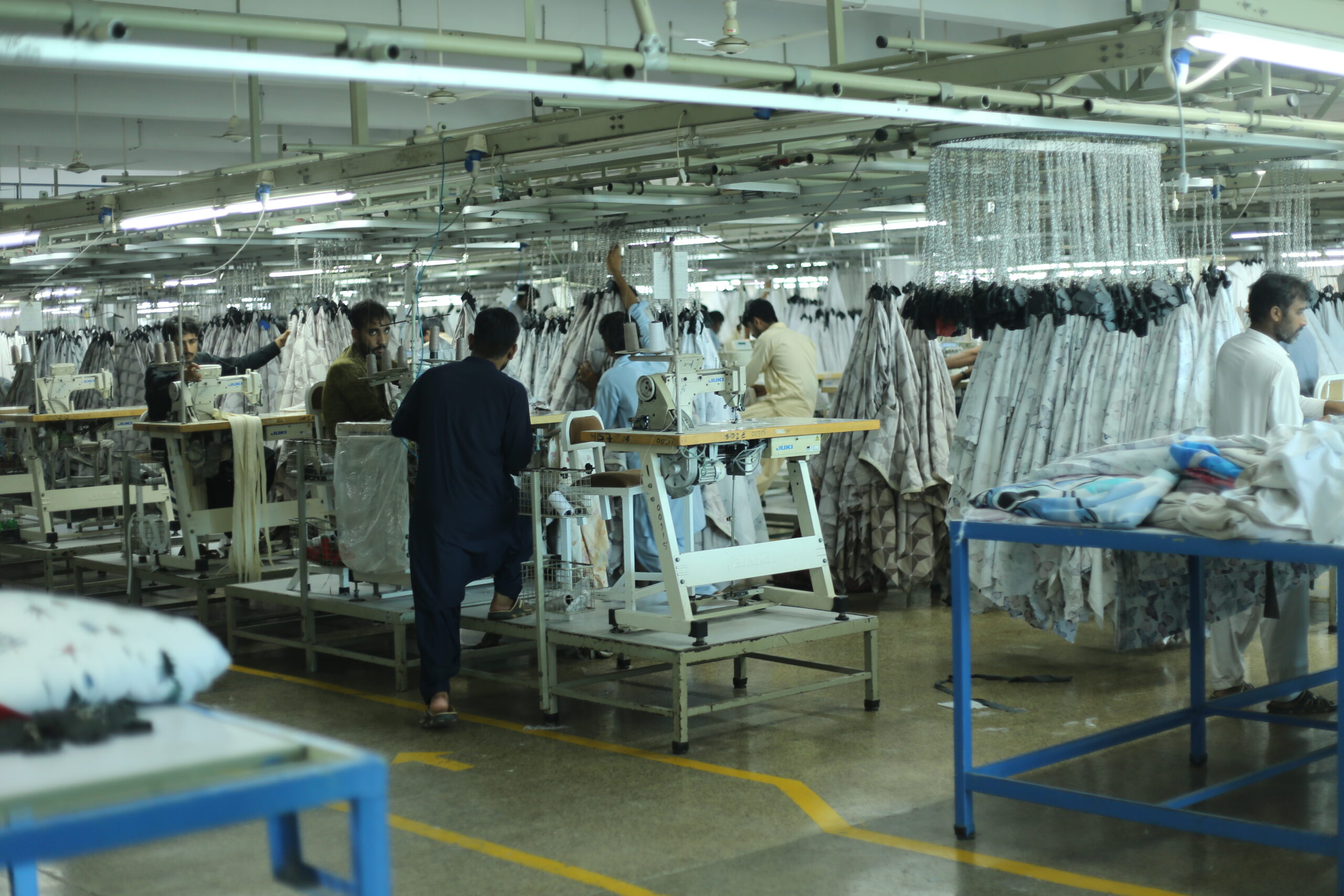
A negotiation team comprising brand and trade union representatives have reached an agreement to renew the Pakistan Accord.
The parties have agreed to re-sign the Pakistan Accord in its current form, reaffirming their shared commitment to supporting worker health and safety across the supply chains of signatory brands in Pakistan.
The renewed Pakistan Accord took effect on 1 January 2026. More than 100 global brands and retailers have re-signed, with additional brands completing internal approvals. The agreement has been extended until 31 December 2026 and shall be renewed automatically for a succeeding term of three years, until 31 December 2029, to align with the International Accord framework agreement.
The renewal reflects ongoing confidence in the Pakistan Accord’s approach to improving factory safety through independent inspections, remediation measures, safety training, and the worker Complaints Mechanism. These measures play a crucial role in identifying risks, preventing workplace accidents, and ensuring workers’ health and safety across Pakistan’s textile and garment industry.
With the extension in place, Pakistan Accord programs at sourcing suppliers for signatory brands will continue, supporting factories in achieving tangible safety improvements, expanding business opportunities, and giving brands confidence in sourcing responsibly from Pakistan.
We look forward to continuing to work alongside signatories, suppliers, and local government stakeholders to promote a safer and more sustainable textile and garment industry in Pakistan.
Resources
For more information, contact:
Related updates
14 years ago today, over 250 workers lost their lives at the Ali Enterprises textile factory in the Baldia district of Karachi, Pakistan. On this anniversary, Pakistan Accord remembers them and expresses its deepest condolences to their families and to all those affected by the tragedy.
This briefing provides updates on the number of signatory brands, factories and workers. Additionally, it includes updates on the recently launched Factory Portal and Engineering Helpdesk.
This briefing provides updates on the number of signatory brands, factories and workers. Additionally, it includes guidance on the actions suppliers should take to address immediate safety findings.
We extend our deepest condolences to the victims and families affected by the tragic gas cylinder explosion and fire at Pretty Composite Textiles Ltd in Ashulia, Savar on Sunday, 20 September.
14 years ago today, over 250 workers lost their lives at the Ali Enterprises textile factory in the Baldia district of Karachi, Pakistan. On this anniversary, Pakistan Accord remembers them and expresses its deepest condolences to their families and to all those affected by the tragedy.
300 global garment brands and retailers have signed the International Accord for Health and Safety in the Textile and Garment Industry (International Accord) with global unions, IndustriALL and UNI.
Follow us on social media
Statement on Gul Plaza Fire in Karachi
Updates
We extend our deepest condolences to the victims and families affected by the tragic fire at Gul Plaza in Karachi on 17 January, which has resulted in the tragic loss of at least 21 lives, with several dozen people still reported missing. Our thoughts are with the victims, their families, and all those affected by this horrific incident.
While the official cause of the fire has yet to be confirmed, media reports indicate that a short circuit and inadequate safety arrangements may have contributed to the scale of the disaster. This tragedy once again highlights the urgent and ongoing need for robust fire prevention, building integrity, and life safety measures to prevent the loss of life.
A delegation from the International Accord and the Pakistan Accord met with the Sindh Minister for Labour, Human Resources and Social Protection, Mr. Saeed Ghani, on Monday, 19 January. During the meeting, the delegation reaffirmed the Accord’s commitment to supporting government capacity-building efforts and offered its technical expertise and knowledge gained over more than 12 years of experience in improving workplace safety.
The International Accord is currently implementing a comprehensive fire and building safety program in Pakistan through the Pakistan Accord for Health and Safety in the Textile and Garment Industry. Supported by more than 140 global brands and retailers, the program has inspected over 340 garment and textile factories and continues to work closely with suppliers to address safety risks and ensure necessary remediation.
The Accord remains committed to supporting workers, communities, and industries across Pakistan, and to collaborating with stakeholders to advance meaningful and lasting improvements in safety standards.
For more information, contact:
Related updates
14 years ago today, over 250 workers lost their lives at the Ali Enterprises textile factory in the Baldia district of Karachi, Pakistan. On this anniversary, Pakistan Accord remembers them and expresses its deepest condolences to their families and to all those affected by the tragedy.
This briefing provides updates on the number of signatory brands, factories and workers. Additionally, it includes updates on the recently launched Factory Portal and Engineering Helpdesk.
This briefing provides updates on the number of signatory brands, factories and workers. Additionally, it includes guidance on the actions suppliers should take to address immediate safety findings.
We extend our deepest condolences to the victims and families affected by the tragic gas cylinder explosion and fire at Pretty Composite Textiles Ltd in Ashulia, Savar on Sunday, 20 September.
14 years ago today, over 250 workers lost their lives at the Ali Enterprises textile factory in the Baldia district of Karachi, Pakistan. On this anniversary, Pakistan Accord remembers them and expresses its deepest condolences to their families and to all those affected by the tragedy.
300 global garment brands and retailers have signed the International Accord for Health and Safety in the Textile and Garment Industry (International Accord) with global unions, IndustriALL and UNI.
Follow us on social media
Factory Inspections to Assess Structural Damage from Bangladesh Earthquake
Updates
The International Accord is saddened by the earthquake in Bangladesh and concerned about the reported injuries and loss of life. Our thoughts are with all affected individuals and families.
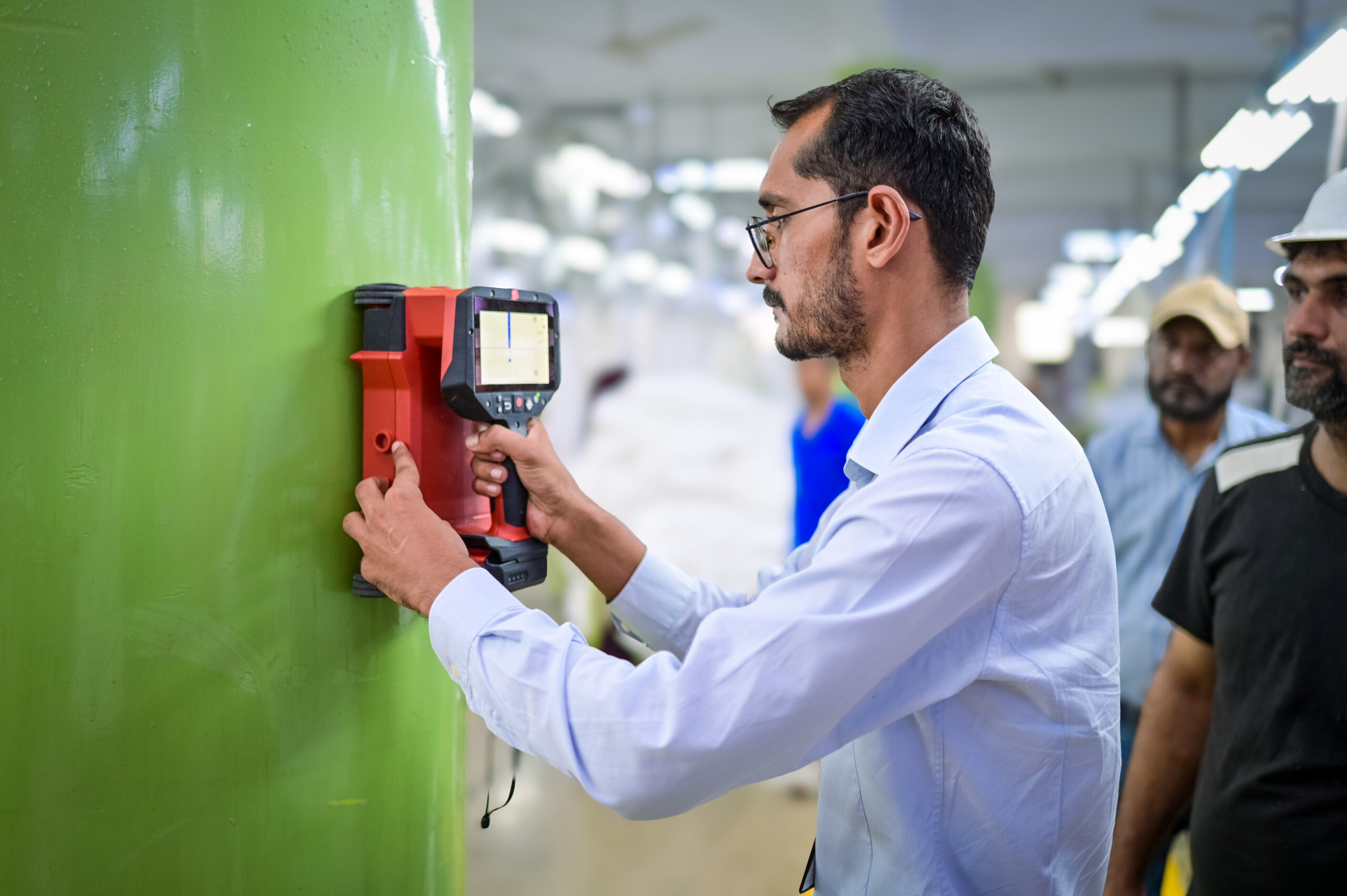
Our engineering colleagues from the RMG Sustainability Council (RSC) are conducting post-incident inspections at Accord and RSC covered factories where cracks, structural damage, or injuries have been reported and will support the necessary remediation efforts. Ensuring workplace safety remains our highest priority.
We reaffirm every worker’s right to refuse unsafe work and will continue supporting signatory brands in fulfilling their commitments to uphold it. We are closely monitoring the situation and conducting detailed assessments to implement effective safety measures as the situation evolves.
For more information, contact:
Related updates
14 years ago today, over 250 workers lost their lives at the Ali Enterprises textile factory in the Baldia district of Karachi, Pakistan. On this anniversary, Pakistan Accord remembers them and expresses its deepest condolences to their families and to all those affected by the tragedy.
This briefing provides updates on the number of signatory brands, factories and workers. Additionally, it includes updates on the recently launched Factory Portal and Engineering Helpdesk.
This briefing provides updates on the number of signatory brands, factories and workers. Additionally, it includes guidance on the actions suppliers should take to address immediate safety findings.
We extend our deepest condolences to the victims and families affected by the tragic gas cylinder explosion and fire at Pretty Composite Textiles Ltd in Ashulia, Savar on Sunday, 20 September.
14 years ago today, over 250 workers lost their lives at the Ali Enterprises textile factory in the Baldia district of Karachi, Pakistan. On this anniversary, Pakistan Accord remembers them and expresses its deepest condolences to their families and to all those affected by the tragedy.
300 global garment brands and retailers have signed the International Accord for Health and Safety in the Textile and Garment Industry (International Accord) with global unions, IndustriALL and UNI.
Follow us on social media
Statement: Expansion of the Worker Complaints Mechanism in Bangladesh
Updates
Statement
Amsterdam, 9 November 2025 (Updated on 4 February 2026):
The International Accord is pleased to announce that, from mid-November 2025, the Worker Complaints Mechanism in Bangladesh will be expanded to cover issues beyond Occupational Safety and Health (OSH).
Originally established under the 2013 Accord on Fire and Building Safety in Bangladesh, the Complaints Mechanism has been implemented by the Ready-Made Garment (RMG) Sustainability Council (RSC) since June 2020. It is implemented in accordance with the principles enshrined in the International Accord Framework Agreement and its country program, the Bangladesh Safety Agreement.
The Complaints Mechanism has become a trusted and effective channel for workers to raise safety and health concerns confidentially or anonymously. Over 4,000 OSH complaints have been filed to date, reflecting the strong trust workers and their representatives place in it.
Workers have raised various safety and health issues in their complaints including denial of maternity benefits, workplace violence and harassment, denial of sick leave, forced overtime, work-related injuries and fatalities. The Complaints Mechanism has provided a range of remedy including reinstatement, maternity payments and leave, disciplinary action, training, sick leave, measures to help prevent forced overtime and compensation payments for occupational injuries and deaths.
While the Complaints Mechanism has successfully delivered remedy for complaints related to safety and health, Accord signatories and stakeholders recognise that many complaints concern other work-related matters that could not be processed under the existing Complaints Mechanism. They have therefore agreed on the value of a unified Complaints Mechanism that addresses all workplace-related complaints and operates in line with the UN Guiding Principles on Business and Human Rights’ criteria for effective non-judicial grievance mechanisms.
In addition to OSH issues, the expanded Complaints Mechanism will cover the ILO Fundamental Principles and Rights at Work, as well as the most common types of complaints including wage payments, overtime, inequitable employment contracts, and severance benefits.
“The expanded scope of the Complaints Mechanism allows the RSC to address a wider range of workers’ concerns on behalf of Accord signatories. We are encouraged by the trust that workers, factories, signatories, and other stakeholders have placed in the Complaints Mechanism over the years and remain committed, alongside our RSC colleagues, to continue to operate with independence, impartiality, integrity and respect for confidentiality,” said Joris Oldenziel, Executive Director, International Accord.
Implementation will be carried out in phases, starting from 16 November with over 50 signatory brands and 1,000 factories, to ensure a smooth and effective rollout, and subsequently extended to include all covered factories from May 2026. (Update: As of 4 February 2026, the expansion of the Complaints Mechanism is on hold and will follow a phased rollout plan approved by the RSC Board of Directors. The rollout will start with selected factories and brands to ensure readiness and prevent duplication).
The International Accord, together with the RSC team, signatory brands, and trade unions, will continue to ensure that the Complaints Mechanism remains an accessible and trusted complaints channel for workers.We extend our appreciation to the RSC Complaints Team for their tireless dedication in operating the Complaints Mechanism, investigating complaints, and delivering timely remedy to workers across covered factories.
We are also grateful to all parties involved, including Accord signatories, trade unions, industry partners, and civil society organisations, for their ongoing collaboration and commitment, which helps to ensure that the Complaints Mechanism continues to operate independently and effectively.
END
Resources
For more information, contact:
Related updates
14 years ago today, over 250 workers lost their lives at the Ali Enterprises textile factory in the Baldia district of Karachi, Pakistan. On this anniversary, Pakistan Accord remembers them and expresses its deepest condolences to their families and to all those affected by the tragedy.
This briefing provides updates on the number of signatory brands, factories and workers. Additionally, it includes updates on the recently launched Factory Portal and Engineering Helpdesk.
This briefing provides updates on the number of signatory brands, factories and workers. Additionally, it includes guidance on the actions suppliers should take to address immediate safety findings.
We extend our deepest condolences to the victims and families affected by the tragic gas cylinder explosion and fire at Pretty Composite Textiles Ltd in Ashulia, Savar on Sunday, 20 September.
14 years ago today, over 250 workers lost their lives at the Ali Enterprises textile factory in the Baldia district of Karachi, Pakistan. On this anniversary, Pakistan Accord remembers them and expresses its deepest condolences to their families and to all those affected by the tragedy.
300 global garment brands and retailers have signed the International Accord for Health and Safety in the Textile and Garment Industry (International Accord) with global unions, IndustriALL and UNI.
Follow us on social media
Pakistan Accord Brand-Supplier Roundtable Highlights Progress and Collaboration
Updates
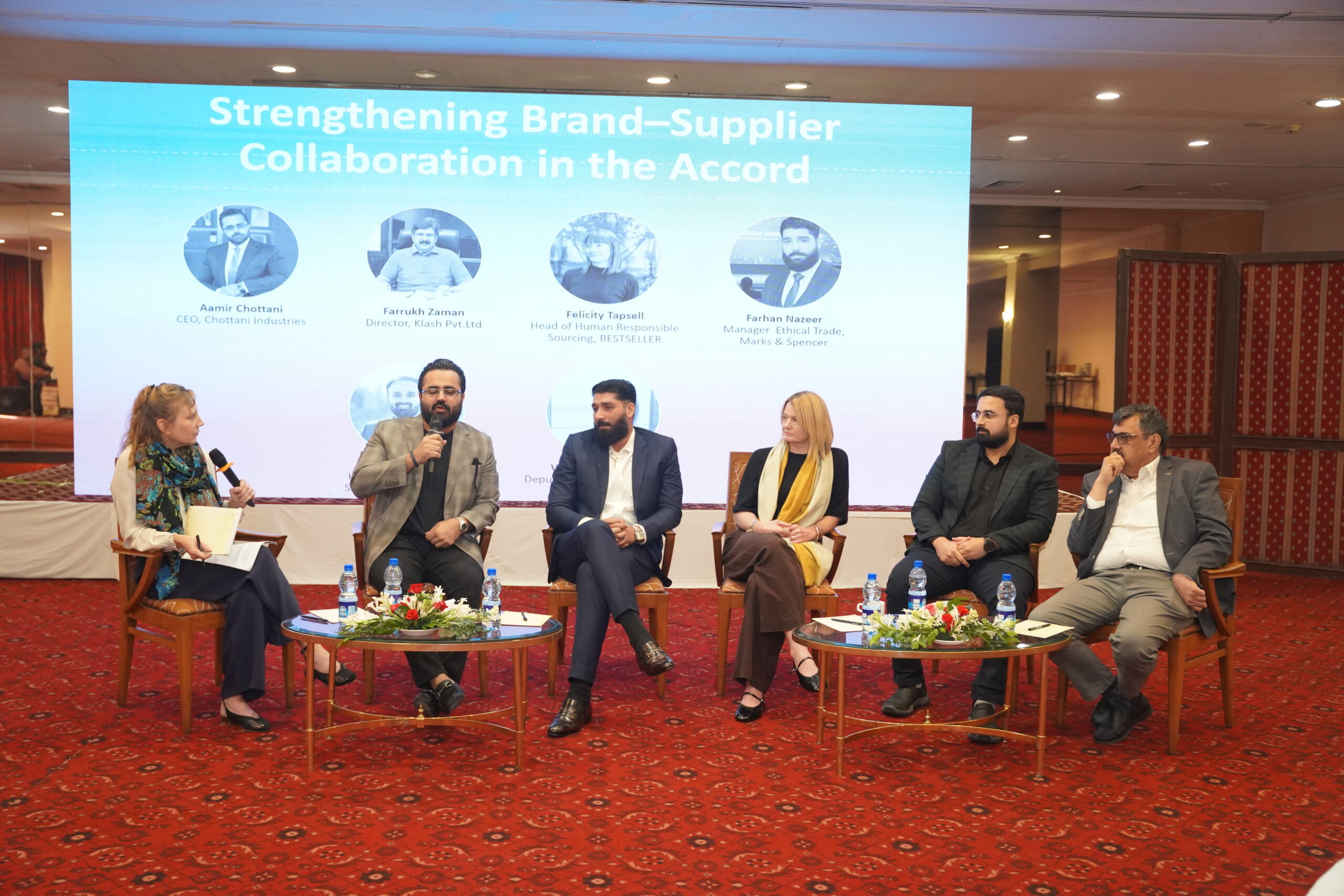
On 23 October 2025, the Pakistan Accord hosted a Brand-Supplier Roundtable at the Avari Hotel in Lahore, bringing together over 50 brand representatives and 30 key suppliers. The event provided a platform for open dialogue on strengthening cooperation, sharing learnings, and identifying opportunities to enhance occupational safety and health across Pakistan’s textile and garment sector.
In his opening remarks, Michael Bride, Senior VP Corporate Responsibility, Global Affairs at PVH Corp, highlighted brand commitment to Pakistan:
“With over 140 brands now part of the Pakistan Accord, our message to our supplying partners is clear: we believe in Pakistan’s potential and remain committed to investing in the country’s textile and garment industry.”
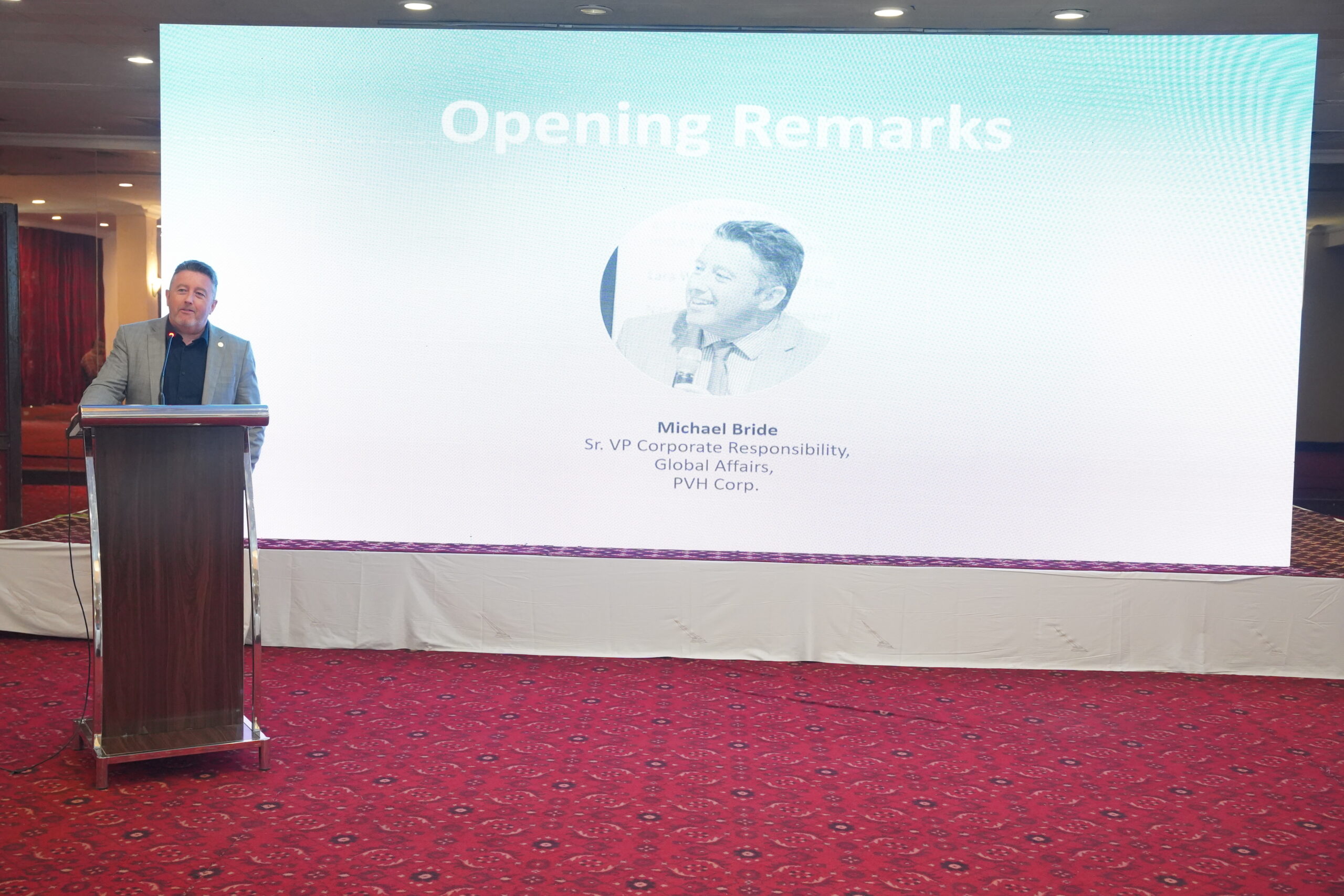
Brands reaffirmed their trust in the Pakistan Accord to ensure lifesaving safety measures and transparency in monitoring risks — key contributing factors to sustaining and expanding sourcing from Pakistan.
Farhan Nazeer, Manager, Ethical Trade at Marks & Spencer, noted that the presence of the Pakistan Accord has contributed to exploring increased sourcing in the country.
Suppliers echoed this sentiment. Aamir Chottani, CEO of Chottani Industries and Chairman of the Pakistan Readymade Garment Manufacturers and Exporters Association (PRGMEA) South Zone, stated:
“The Accord is a door opener for business to suppliers; it builds confidence for the top management of brands that inspections are conducted independently and transparently.”
A dedicated panel explored how to further strengthen brand-supplier collaboration, featuring:
- Felicity Tapsell, BESTSELLER
- Farhan Nazeer, Marks & Spencer
- Aamir Chottani, Chottani Industries
- Raffay Bin Rauf, Sapphire Finishing Mills
- Farrukh Zaman, Klash Pvt. Ltd
Suppliers commended the Pakistan Accord Secretariat’s work while underscoring the need for greater technical engineering capacity and a clearer return on investment for safety measures. They also called for sustained brand support through stable, long-term business relationships.
Raffay Bin Rauf of Sapphire Finishing Mills emphasised:
“Brands should consider factories as business partners, not just suppliers.”
The Accord extends its gratitude for International Accord Steering Committee members Felicity Tapsell (BESTSELLER) and Michael Bride (PVH), who reaffirmed their commitment to extend the Pakistan Accord into 2026, working together to ensure a safe and sustainable garment and textile industry in Pakistan.
The Roundtable was followed by an internal brand meeting focused on operations and collective efforts to ensure the successful and continued rollout of the Pakistan Accord.
For more information, contact:
- media@internationalaccord.org
- Mini Dixit, Communications Advisor: mini.dixit@internationalaccord.org
Related updates
14 years ago today, over 250 workers lost their lives at the Ali Enterprises textile factory in the Baldia district of Karachi, Pakistan. On this anniversary, Pakistan Accord remembers them and expresses its deepest condolences to their families and to all those affected by the tragedy.
This briefing provides updates on the number of signatory brands, factories and workers. Additionally, it includes updates on the recently launched Factory Portal and Engineering Helpdesk.
This briefing provides updates on the number of signatory brands, factories and workers. Additionally, it includes guidance on the actions suppliers should take to address immediate safety findings.
We extend our deepest condolences to the victims and families affected by the tragic gas cylinder explosion and fire at Pretty Composite Textiles Ltd in Ashulia, Savar on Sunday, 20 September.
14 years ago today, over 250 workers lost their lives at the Ali Enterprises textile factory in the Baldia district of Karachi, Pakistan. On this anniversary, Pakistan Accord remembers them and expresses its deepest condolences to their families and to all those affected by the tragedy.
300 global garment brands and retailers have signed the International Accord for Health and Safety in the Textile and Garment Industry (International Accord) with global unions, IndustriALL and UNI.
Follow us on social media
Condolences for the Mirpur Factory Fire Victims
Updates
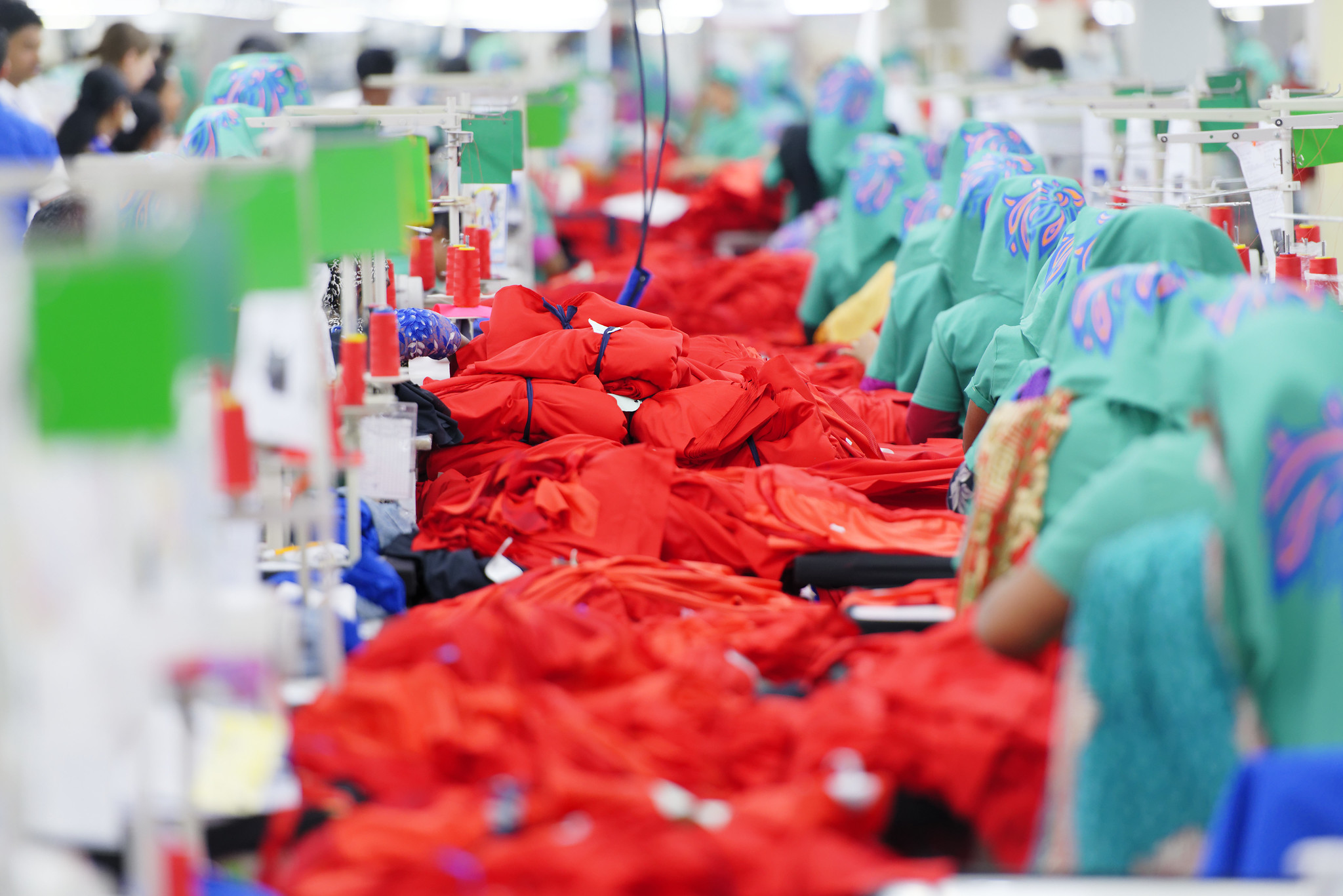
The International Accord is deeply saddened by the tragic fire at a garment factory and chemical warehouse in the Shialbari area of Mirpur, Dhaka, which has claimed at least 16 lives and injured many others. Our heartfelt condolences go out to the victims, their families, and all those affected.
This tragedy is a stark reminder of the devastating human cost of inadequate safety measures. Safe exits, unlocked gates, functioning alarms, effective fire separation, and strong emergency preparedness are essential for the safety of every worker, within and beyond the garment industry.
To our knowledge, the affected establishments are not listed by company signatories of the Bangladesh Safety Agreement and not covered by the inspections and remediation program implemented by the RMG Sustainability Council (RSC) in Bangladesh. Nonetheless, this incident underscores the urgent need for comprehensive health and safety measures across all industries.
For over a decade, the collective efforts of brands, trade unions, factories, and civil society partners under the Accord have contributed to workplace health and safety improvements at covered garment and textile factories in Bangladesh. While this includes over 2000 factories employing 2.5 million workers, it represents only part of the Bangladesh’s RMG sector.
Ensuring that every worker has access to a safe working environment must remain a shared priority and responsibility. The Accord and the RSC reaffirm their dedication to working with global brands, industry partners, worker representatives and government authorities to build and maintain a culture of health and safety that prevents such tragedies within the RMG sector in Bangladesh.
The Accord will, together with our colleagues from the RSC, continue to monitor the situation at the affected area and any potential impact on surrounding factories.
END
For more information, contact:
- media@internationalaccord.org
- Mini Dixit, Communications Advisor: mini.dixit@internationalaccord.org
Related updates
14 years ago today, over 250 workers lost their lives at the Ali Enterprises textile factory in the Baldia district of Karachi, Pakistan. On this anniversary, Pakistan Accord remembers them and expresses its deepest condolences to their families and to all those affected by the tragedy.
This briefing provides updates on the number of signatory brands, factories and workers. Additionally, it includes updates on the recently launched Factory Portal and Engineering Helpdesk.
This briefing provides updates on the number of signatory brands, factories and workers. Additionally, it includes guidance on the actions suppliers should take to address immediate safety findings.
We extend our deepest condolences to the victims and families affected by the tragic gas cylinder explosion and fire at Pretty Composite Textiles Ltd in Ashulia, Savar on Sunday, 20 September.
14 years ago today, over 250 workers lost their lives at the Ali Enterprises textile factory in the Baldia district of Karachi, Pakistan. On this anniversary, Pakistan Accord remembers them and expresses its deepest condolences to their families and to all those affected by the tragedy.
300 global garment brands and retailers have signed the International Accord for Health and Safety in the Textile and Garment Industry (International Accord) with global unions, IndustriALL and UNI.
Follow us on social media